Bund Lining
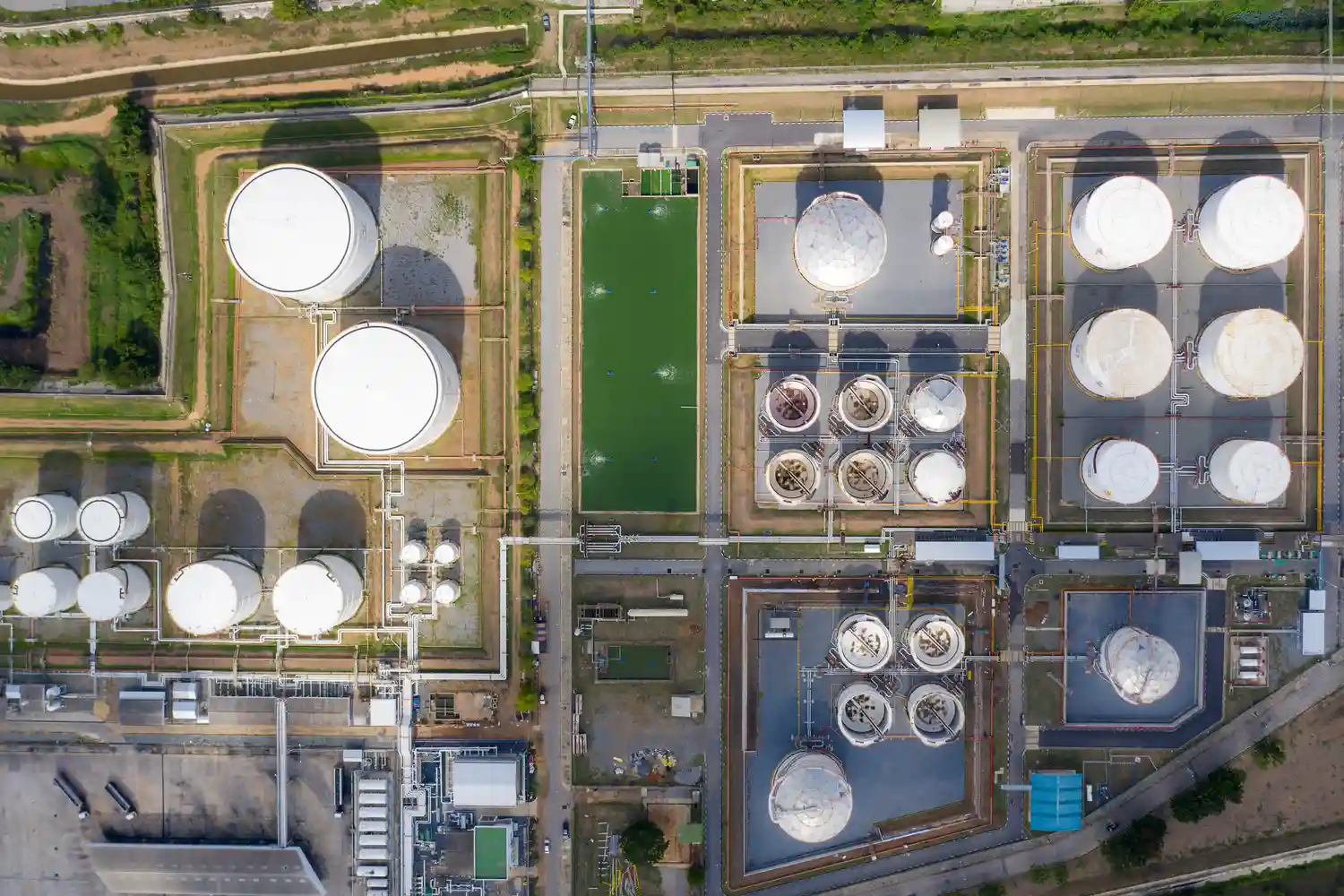
Bund lining is the installation of an impermeable lining system within secondary containment structures, commonly referred to as bunds. These structures are typically installed around oil tanks, fuel storage systems, and chemical vessels to contain leaks or spills if the primary tank fails.


Overview
Under the Control of Pollution (Oil Storage) (England) Regulations 2001, oil storage bunds must be capable of containing leaks and must be constructed so that the base and walls are impermeable to water and oil.
Where existing concrete or historic linings no longer provide that level of protection, a compliant bund lining system may be required.
LCM Environmental installs laminate bund lining systems designed to improve impermeability and chemical resistance. Resin systems are selected according to the stored substance, concentration, and operating temperature, following site-specific assessment. On completion, lining documentation and warranty information are provided where applicable.

Impact
A bund is a critical environmental safeguard. If the lining fails, cracked concrete, degraded bitumen, or broken jointing can allow oil or chemicals to escape into the ground or drainage systems.
Loss of impermeability may lead to:
• Environmental contamination
• Regulatory scrutiny or enforcement action
• Insurance implications
• Operational disruption while defects are investigated and repaired
Chemical attack is a common cause of deterioration. Certain substances can soften historic bitumen linings, break down cementitious substrates, or degrade expansion joints. Vegetation growth within joints can also compromise bund integrity over time.
Appropriate bund lining systems help restore containment performance without full structural reconstruction, supporting compliance, environmental protection, and operational continuity.

Site survey and duty assessment
Inspection of the bund structure, review of stored product data, chemical concentration, and temperature exposure. Identification of joint failure, cracking, or substrate degradation.

Isolation and safety controls
Implementation of permit systems, isolation procedures, and confined space controls where required. Works are planned around operational constraints.

Removal of failed linings or jointing
Removal of degraded bitumen, failed coatings, or chemically broken-down expansion joint systems within agreed scope.

Surface preparation and localised repairs
Mechanical preparation of concrete substrates to achieve suitable bond. Localised concrete repairs undertaken where required and agreed.

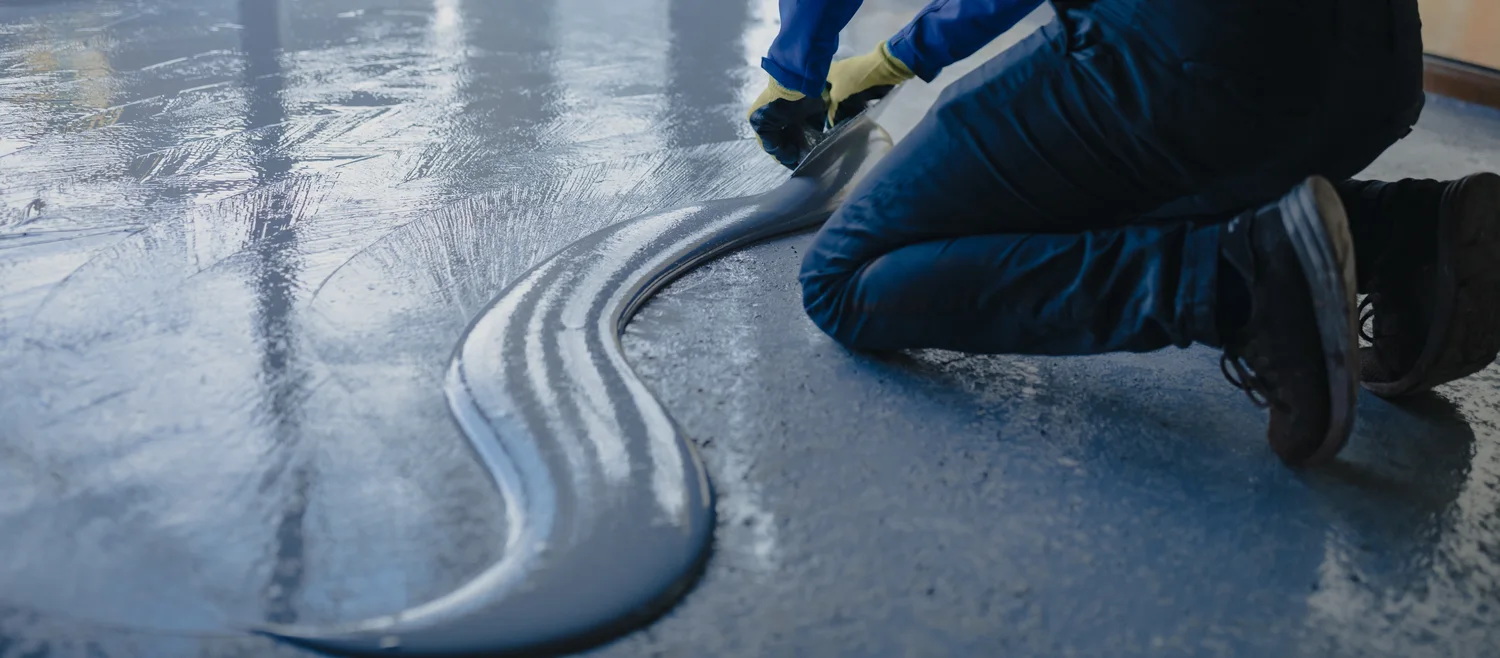
Installation of laminate bund lining system
Application of a chemically resistant laminate lining. Resin binder systems are selected to suit the chemical duty.

Expansion joint renewal
Replacement of chemically degraded or vegetation-damaged expansion joint systems to prevent breaches in bund integrity.

Cure, inspection and documentation
Controlled curing, visual inspection, and integrity checks prior to return to service. A lining report and warranty documentation are issued where applicable.
Compliance, Standards & Governance
Bund lining works are commonly informed by the Control of Pollution (Oil Storage) (England) Regulations 2001 and associated regulator guidance on secondary containment.
These regulations require bund bases and walls to be impermeable to oil and water. Where existing structures no longer meet this requirement, remediation or lining may be necessary.
LCM Environmental does not determine legal obligations on behalf of clients. Compliance requirements are confirmed during scoping and aligned to the site’s regulatory framework and stored substances.
Documentation, inspection records, and system details can be provided to support audit readiness where required.
Typical Use Environments
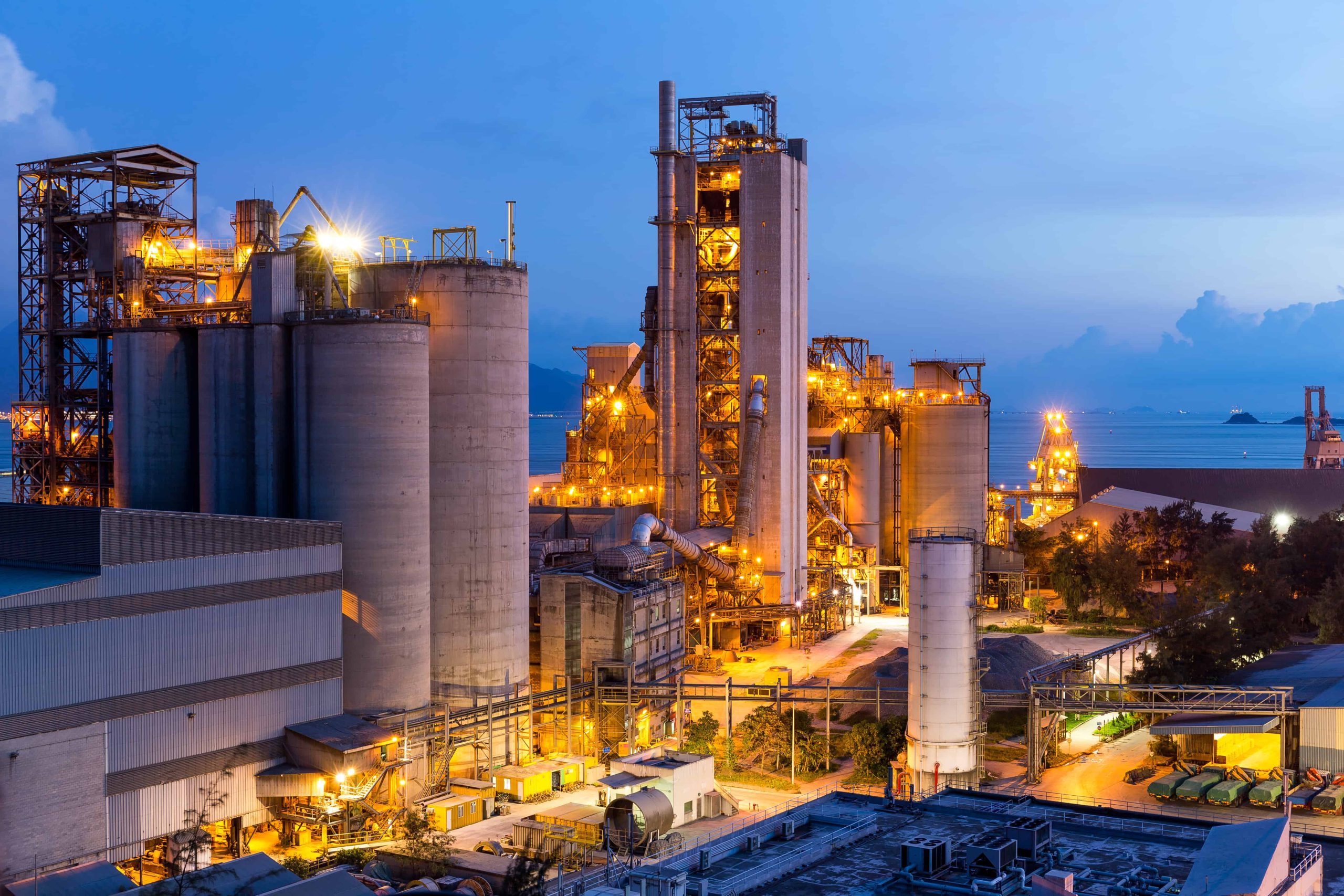
Bund lining is commonly undertaken within:
• Diesel fuel storage installations
• Generator fuel systems
• Bulk oil storage facilities
• Chemical storage areas
• Industrial process environments
Suitability depends on the stored substance, chemical concentration, temperature exposure, and structural condition of the bund.
Planned vs Reactive Use
Planned use
Following routine bund inspections.
Following compliance reviews.
Following lifecycle assessments.
Reactive use
Visible lining failure.
Failed inspection outcomes.
Chemical degradation.
Joint breakdown.
Related services


What happens next?
Initial discussions typically cover stored substances and concentrations, bund dimensions and construction, known defects or inspection findings, and access and operational constraints. LCM Environmental will review the information and confirm suitability, recommended lining system, and delivery approach.