Media Blasting
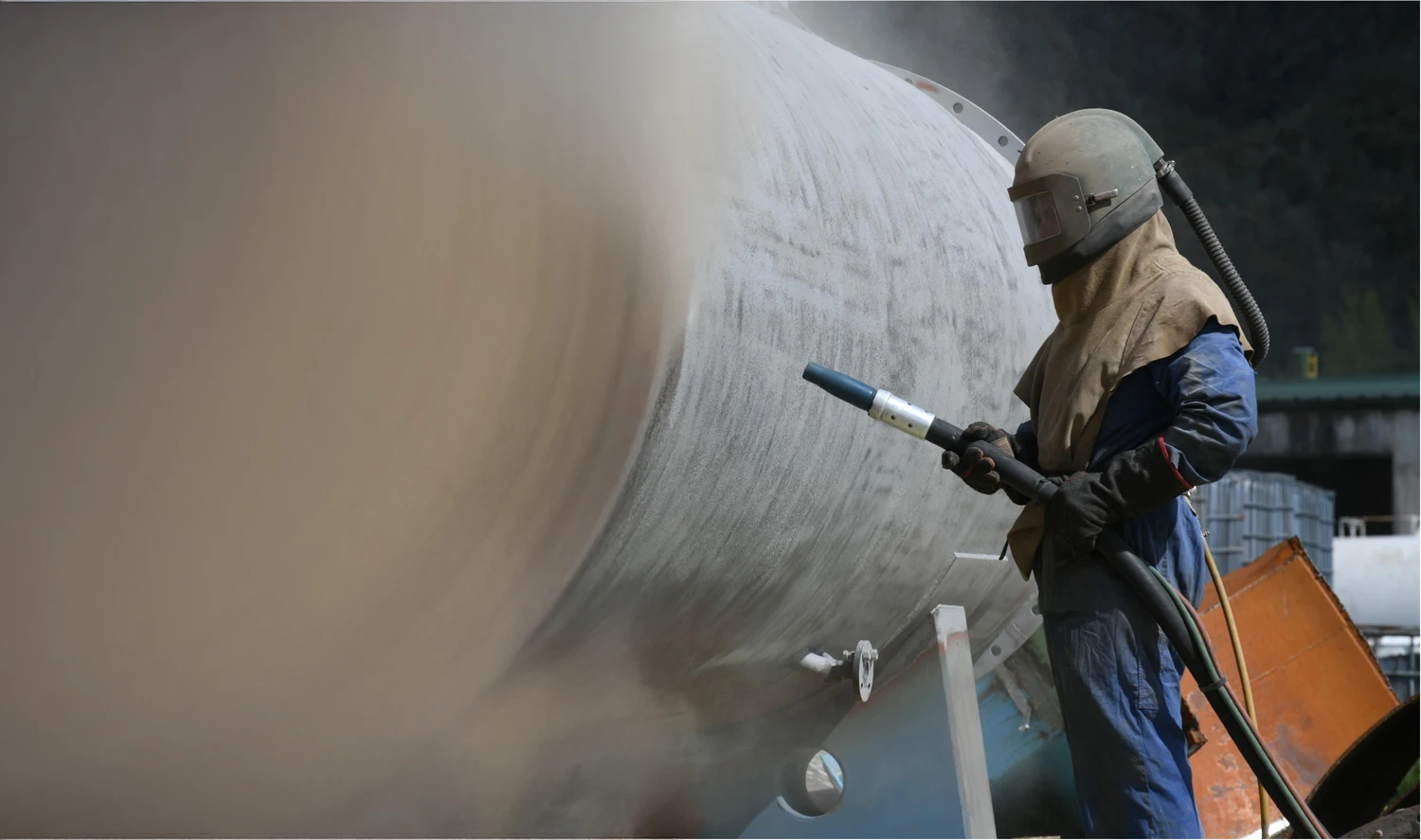
Media blasting, also referred to as abrasive blasting and including shot blasting, is a controlled surface preparation process used to clean and prepare metal and concrete substrates. Abrasive media is propelled against the surface to remove corrosion, scale, failed coatings, and other contaminants.

Overview
The service is typically used in industrial environments where protective coatings or lining systems must be applied to defined preparation standards.
At LCM Environmental, media blasting is positioned as an enabling process rather than a standalone finish. Its purpose is to prepare substrates in line with coating or lining specifications, supporting adhesion, durability, and long-term asset performance.
Method selection, containment controls, and inspection criteria are defined through site assessment and agreed scope, ensuring works align with operational requirements and downstream protective systems.
Impact
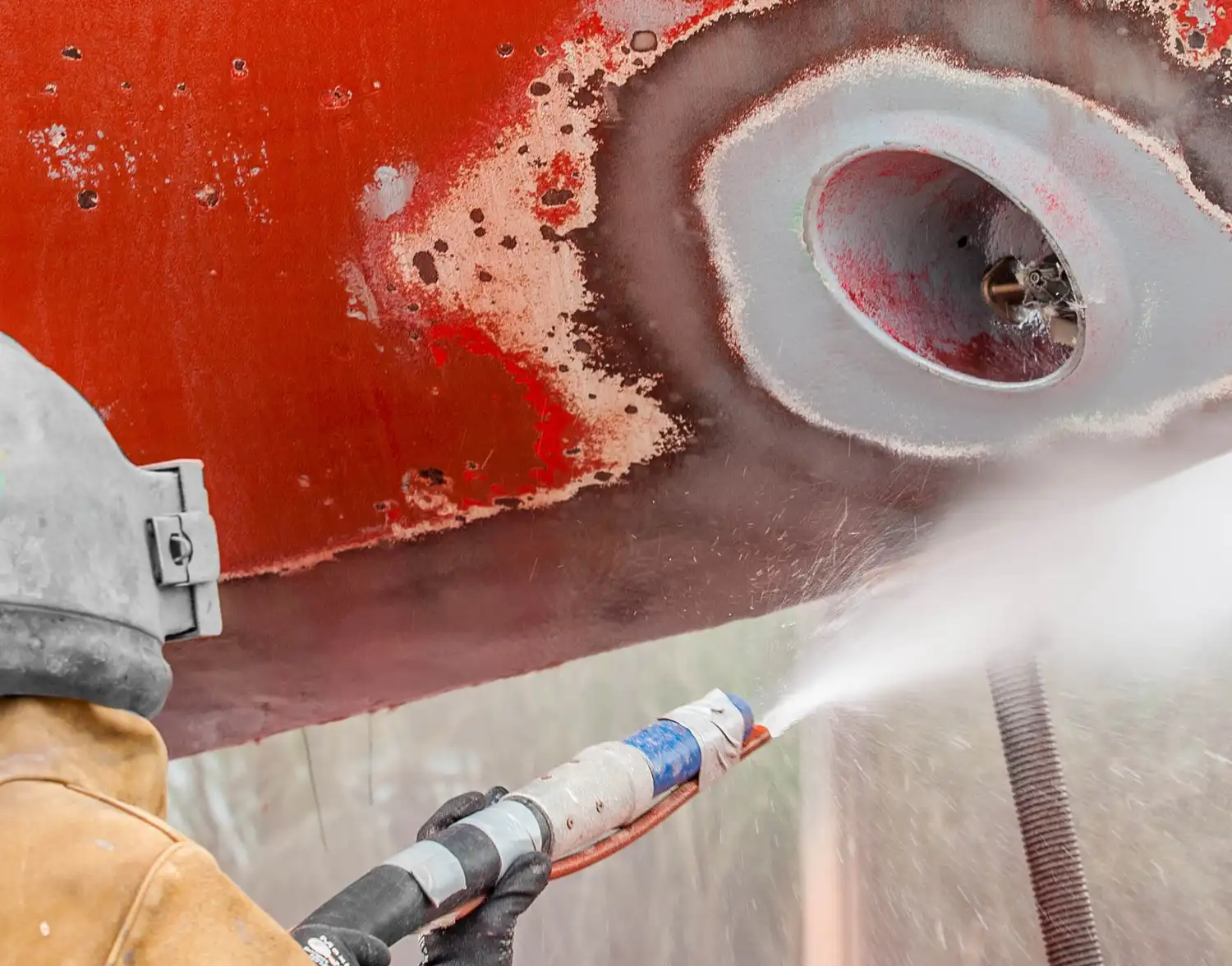
Protective coatings and linings rely on surface condition. Where contamination, corrosion products, or degraded coatings remain, the performance of the applied system may be compromised.
Inadequate preparation can result in:
• Reduced coating adhesion
• Premature coating failure
• Repeat disruption for rework
• Increased lifecycle cost
From a compliance perspective, preparation standards are often defined within manufacturer guidance or project specifications. Media blasting supports alignment with those requirements, helping ensure protective systems are applied to an appropriate surface condition.
A structured blasting approach helps manage risk by providing controlled preparation and clear verification prior to coating or lining application.

Pre-job assessment
Review of substrate material, existing coating condition, contamination levels, access constraints, environmental sensitivities, and downstream coating or lining requirements.

Selection of blasting method and media
Blasting method and abrasive media are selected to suit the surface type and specified preparation standard. This may include shot blasting or other abrasive techniques appropriate to the asset and environment.

Surface preparation
Controlled blasting is undertaken to remove corrosion, scale, or failed coatings. Preparation levels are aligned to agreed criteria within the project specification.

Containment and environmental controls
Dust, debris, and waste management measures are implemented in line with site-specific risk assessment and environmental requirements.

Inspection and verification
Surface condition is reviewed against the agreed preparation criteria prior to coating or lining works proceeding. Documentation or evidence levels are defined during scoping.

Compliance, Standards & Governance
Media blasting activities are carried out in accordance with relevant health, safety, and environmental requirements, defined through site-specific risk assessments and method statements.
Where required, surface preparation standards may be referenced within coating or lining specifications. Any standards, inspection thresholds, or documentation requirements are agreed during project planning.
LCM Environmental does not assume mandatory standards unless specified within the contract or scope of works.

Typical Use Environments
Media blasting is typically used on:
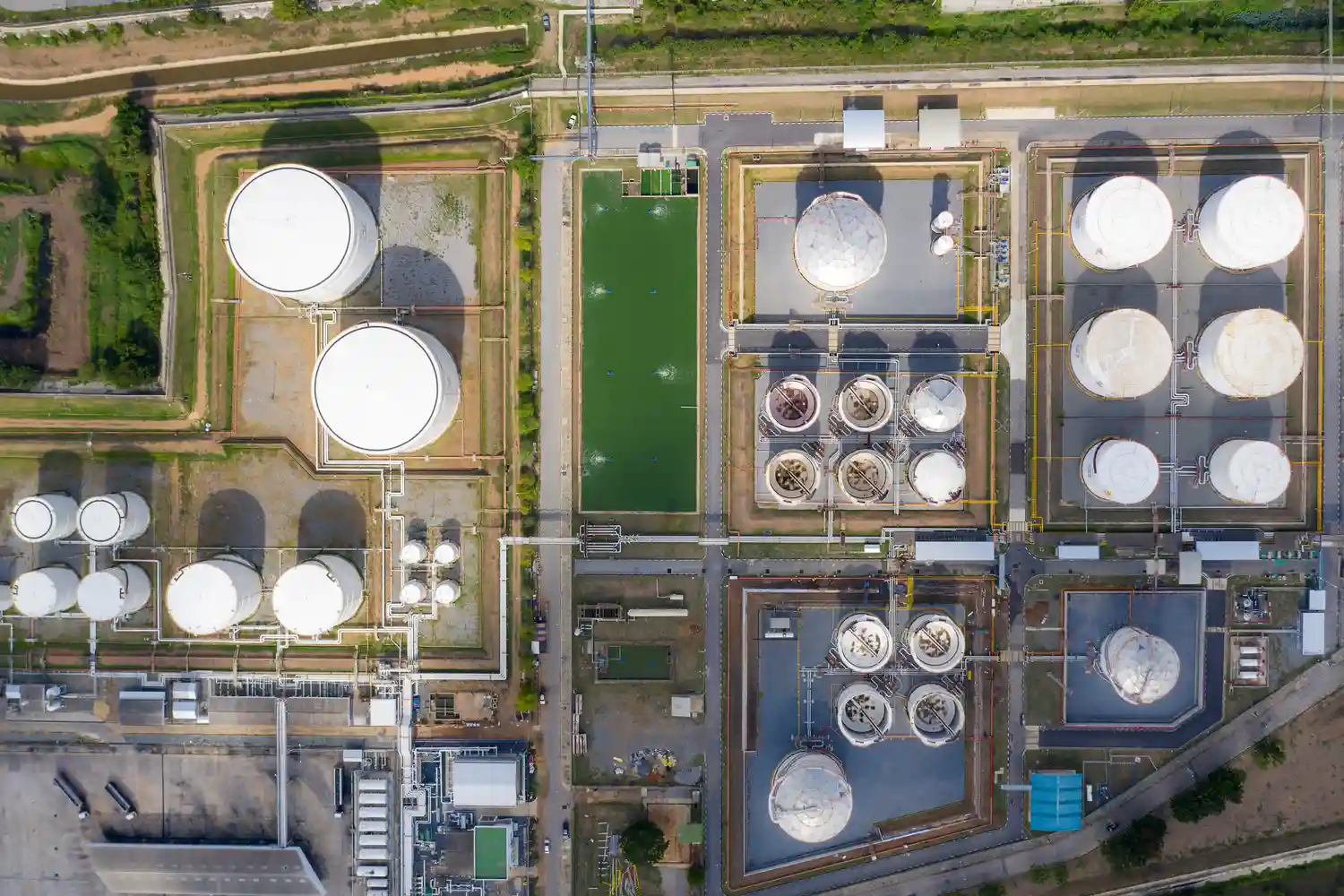
• Steel tanks and vessels
• Pipework systems
• Structural steelwork
• Concrete substrates prior to coating
• Industrial plant undergoing refurbishment
Access constraints, confined space considerations, and operational interfaces are assessed during the planning stage.
Planned vs Reactive Use
Planned use
Programmed coating or lining projects.
Before protective systems are applied.
Reactive use
Remediate corrosion
Remediate coating failure
Remediate surface degradation
Following operational issues.
Related services


What happens next?
The next step is to review the asset condition and downstream coating or lining requirements. LCM Environmental will assess substrate type, access constraints, environmental controls, and interface requirements before confirming scope and delivery approach.