Painting
Painting at LCM Environmental refers to the application of industrial and protective coating systems to infrastructure assets.


Overview
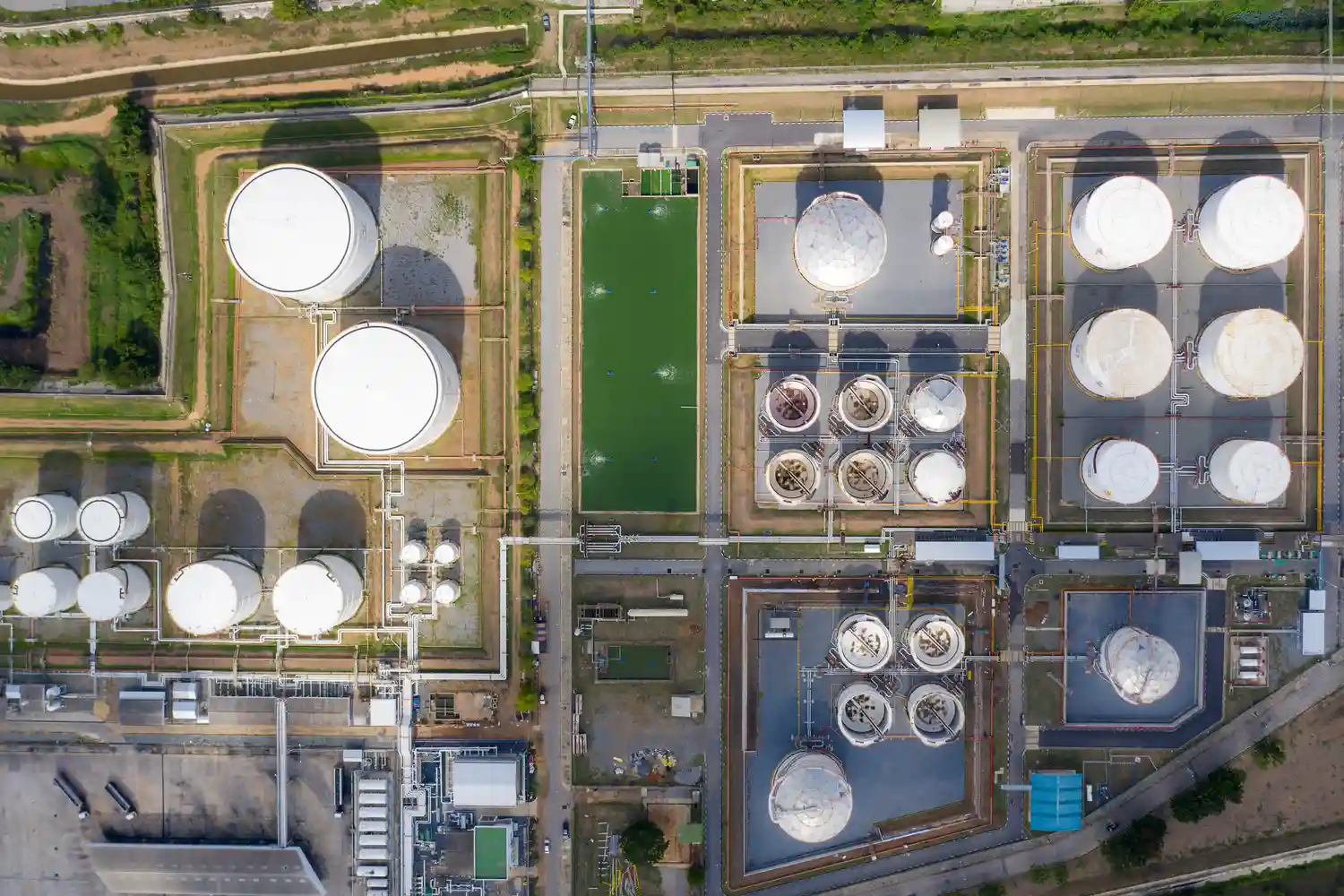
The service is focused on protecting tanks, steelwork, pipework, and associated structures from corrosion, environmental exposure, and operational wear.
Coating systems are selected to support durability, maintainability, and long-term asset performance within industrial, fuel, and infrastructure environments.
Protective painting may be delivered as a standalone activity or integrated with inspection, cleaning, surface preparation, or remediation works. System selection, preparation standards, and inspection requirements are defined through site assessment and agreed scope, ensuring alignment with operational requirements and asset duty.

Impact
Unprotected or degraded steelwork is vulnerable to corrosion and environmental attack. Over time, this can lead to coating breakdown, structural deterioration, increased maintenance intervention, and potential inspection findings.
Inadequate preparation or incorrect system selection may result in premature coating failure and repeat disruption for remedial works.
From an asset management perspective, protective painting forms part of a structured corrosion control strategy. When properly specified and applied, coating systems can help reduce deterioration rates and support predictable maintenance planning.
A controlled painting approach helps manage risk by aligning preparation, application, and inspection processes with the asset’s operating environment.

Pre-job assessment
Review of asset condition, existing coating integrity, corrosion levels, access constraints, environmental exposure, and any specification requirements.

Surface preparation
Preparation methods are selected to suit substrate type and coating specification. This may include mechanical preparation, localised repairs, or integration with media blasting where required.

System selection and specification
Protective coating systems are selected based on environmental exposure, chemical risk, atmospheric conditions, and maintenance objectives. System build-up, number of coats, and thickness are defined within project scope.

Application and detailing
Controlled application of primer and coating layers, including treatment to edges, welds, bolted connections, and interfaces.

Cure management and phased return to service
Cure periods and access restrictions are managed to align with site operations and minimise disruption.

Inspection and verification
Inspection requirements, including visual checks or thickness measurement where specified, are completed in line with agreed scope before handover.

Compliance, Standards & Governance
Protective painting works are undertaken in accordance with relevant health, safety, and environmental controls, defined through site-specific risk assessments and method statements.
Where specified, coating standards, manufacturer guidance, or inspection requirements may form part of the agreed scope. Any applicable preparation grades, film thickness requirements, or inspection thresholds are confirmed during project planning.
LCM Environmental does not assume mandatory standards unless defined within the contract or specification.
Typical Use Environments
Industrial painting is typically undertaken on:
• Above-ground storage tanks
• Structural steelwork
• Pipe bridges and pipework systems
• Plant and process equipment
• Fuel infrastructure assets
Access constraints, environmental exposure, and operational interfaces are assessed during the planning stage.
Planned vs Reactive Use
Planned use
Programmed maintenance.
Programmed refurbishment works.
Managing corrosion risk and extend asset life.
Reactive use
Address coating failure
Address corrosion exposure
Degradation identified during inspection.
Related services


What happens next?
If protective painting is being considered as part of maintenance or refurbishment works, the next step is to review the asset condition and environmental exposure. LCM Environmental will assess preparation requirements, system suitability, access constraints, and operational interfaces before confirming scope and delivery approach.