CCTV Surveys
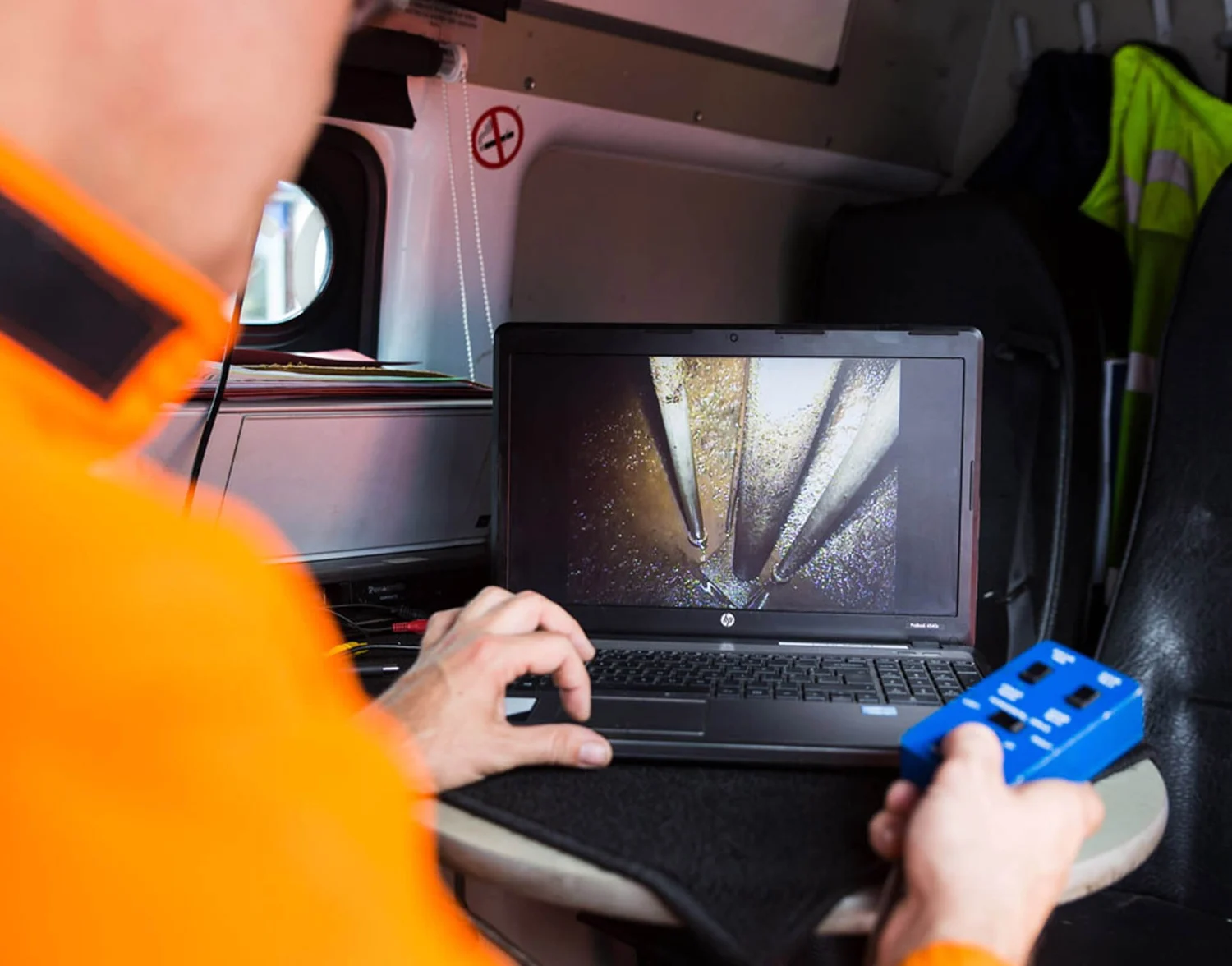
CCTV Surveys are used to inspect the internal condition of underground drainage and pipework using camera equipment. The service allows defects, deterioration, or obstructions to be identified where they cannot be assessed from the surface.

Overview
By providing visual evidence of internal condition, CCTV surveys support informed decision-making before repair, replacement, or maintenance activities are selected. This helps reduce uncertainty, avoid unnecessary excavation, and target interventions more proportionately.
Surveys can be used as part of planned condition assessment or to support fault-finding where drainage performance issues are suspected. The service is investigative and diagnostic in nature, focused on understanding asset condition rather than carrying out remedial works.
CCTV surveys delivered by LCM relate specifically to drainage and wastewater infrastructure. They are not security CCTV systems.
Impact
Underground drainage systems can deteriorate without obvious external indicators. Cracking, deformation, root ingress, partial collapse, or internal blockages may develop gradually and only become apparent once operational disruption occurs.
Without clear information on internal condition, decisions on drainage repairs often rely on assumptions. This can lead to unnecessary excavation, incomplete repairs, or repeated reactive call-outs.
CCTV surveys reduce this uncertainty by providing recorded visual evidence of the internal state of drainage assets. This supports proportionate maintenance planning, helps prioritise risk, and can improve confidence when justifying repair or replacement works to operational, compliance, or budget stakeholders.

Scope and access planning
Confirmation of assets to be inspected, survey objectives, access points, and known site constraints.

Site preparation
Implementation of permits, controls, and preparations appropriate to the operating environment.

CCTV inspection
Deployment of camera equipment within drainage or pipework to observe internal condition.

Observation and recording
Identification and noting of visible features or defects with location references appropriate to the survey method.

Survey output
Provision of recorded evidence with commentary suitable for informing next steps.

Compliance, Standards & Governance
Where required by the client or project specification, CCTV surveys can be delivered in line with agreed reporting or coding requirements.
Any standards, formats, or classification systems applied are confirmed during scoping and are not assumed as standard. This approach supports audit readiness while maintaining flexibility across different sites and asset types.
Typical Use Environments
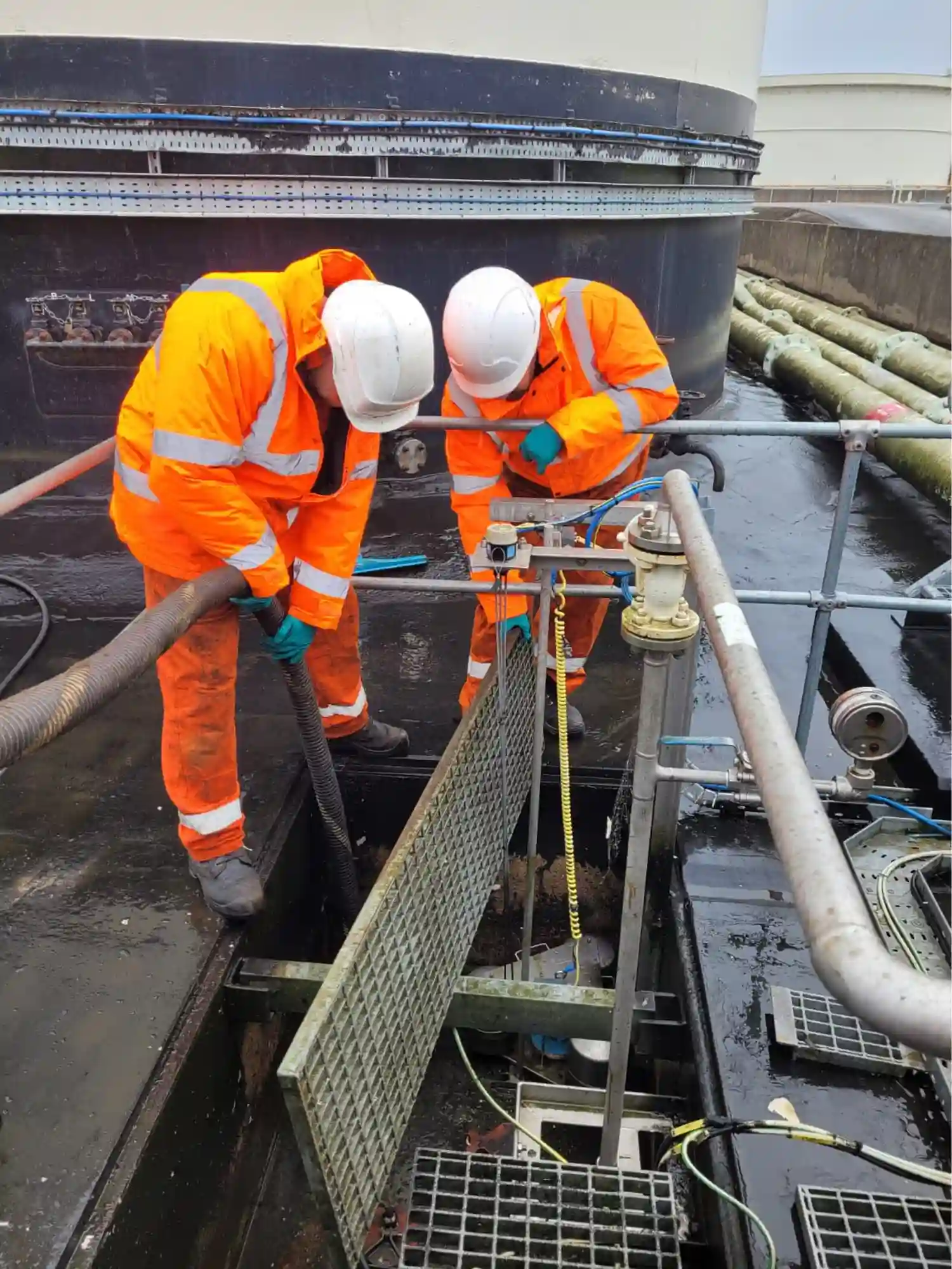
CCTV drainage surveys are commonly undertaken within industrial sites and industrial works where underground drainage forms part of critical operational infrastructure.
The specific assets inspected will depend on site layout, access, and survey objectives.
Planned vs Reactive Use
Planned use
Baseline condition assessment
Asset verification
Pre-works investigation.
Reactive use
Investigate recurring blockages
Investigate suspected defects
Post-incident drainage concerns.
Related services


What happens next?
To scope a CCTV survey, LCM will typically confirm the assets to be inspected, access arrangements, survey objectives, site constraints, and any client-specific reporting requirements. This information is used to propose an appropriate survey approach and define the scope before any work is undertaken.