Drainage & Inspections
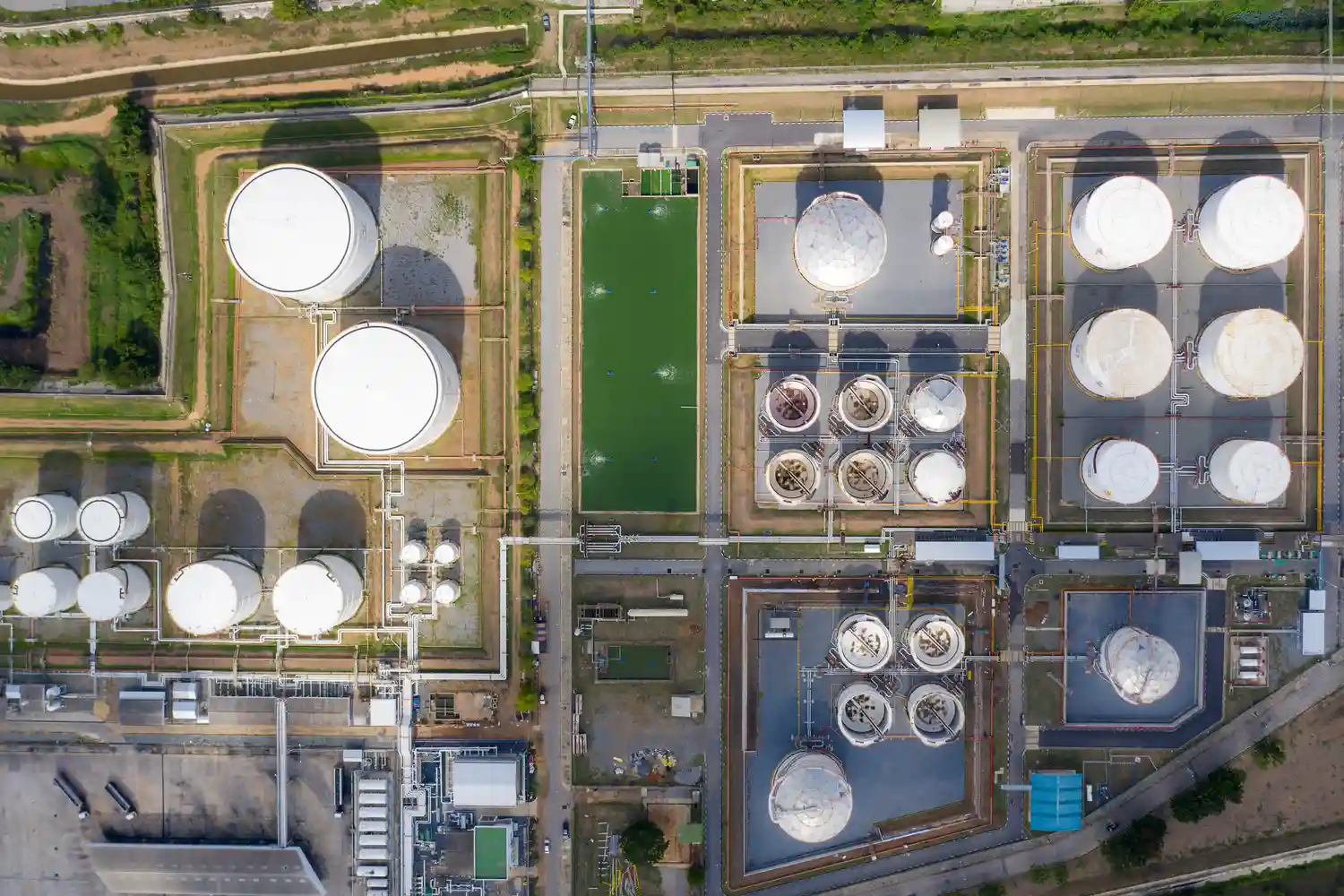
Drainage and Inspections is a service delivered by LCM Environmental to assess the condition and performance of below-ground drainage systems. The service focuses on identifying defects, blockages, deterioration, or indicators of environmental risk within foul and surface water drainage infrastructure.

Overview
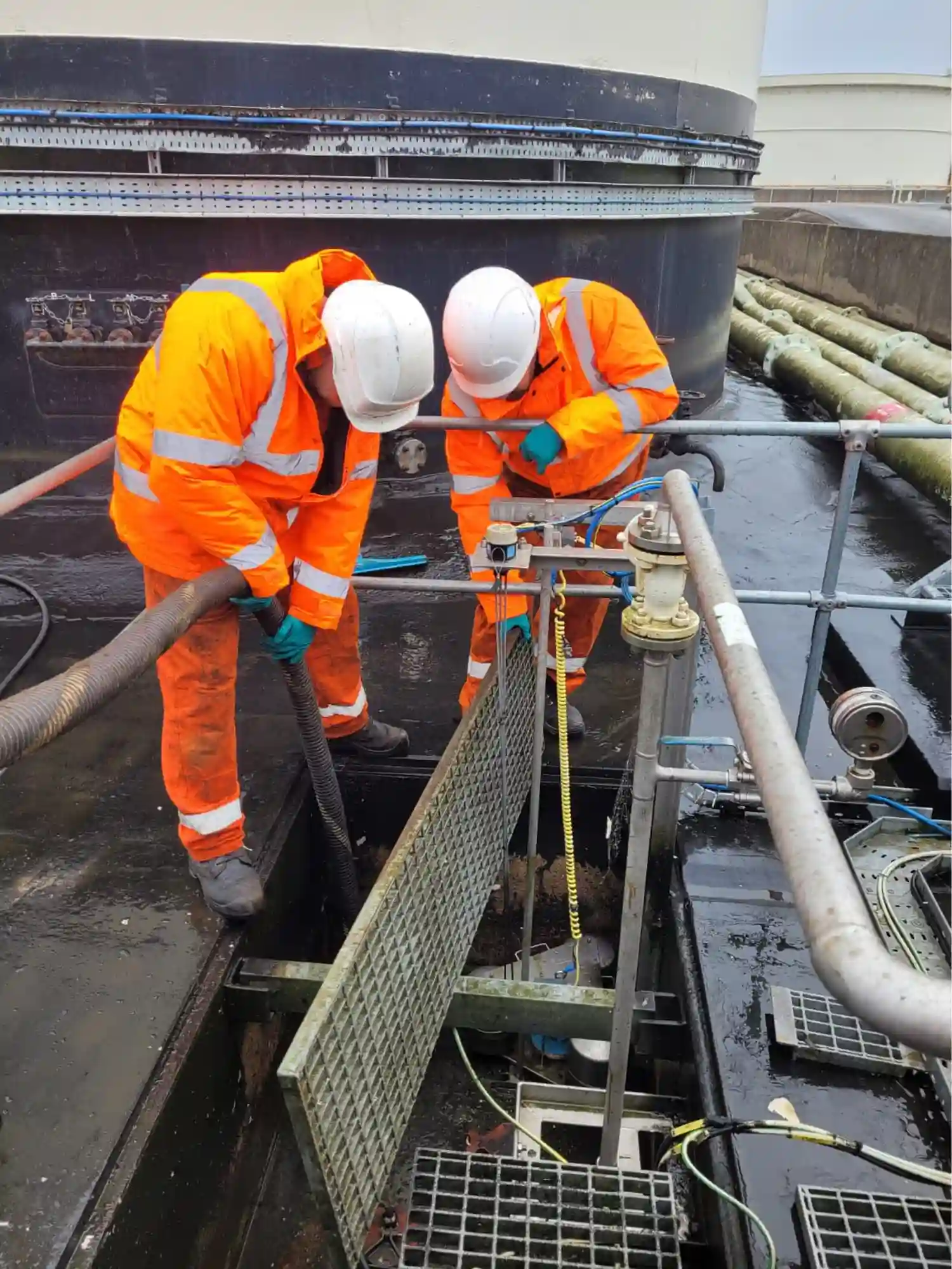
Drainage systems are often out of sight and poorly documented. Over time, this can lead to uncertainty around asset condition, performance, and risk exposure. Inspections provide clarity by establishing how systems are constructed, how they are currently performing, and where issues may be developing.
The service is commonly used to support planned maintenance, asset understanding, incident investigation, and operational decision-making. Findings are documented in a clear and structured format to support facilities management, environmental oversight, and proportionate next steps.
The service is inspection-led. It does not assume repair or remediation unless these are separately instructed following review of findings.
Impact
Below-ground drainage plays a critical role in site operation and environmental protection. When systems are not understood or routinely checked, issues can develop unnoticed.
Undetected defects may contribute to pollution incidents through leaks, overflows, or interceptor failure. Poor drainage condition can also result in localised flooding, persistent odour issues, or repeated blockages that disrupt operations.
From an operational perspective, a lack of drainage records can make maintenance reactive rather than planned, increasing cost and downtime. From a compliance standpoint, insufficient understanding of drainage condition can limit confidence during audits or investigations.
Drainage inspections help organisations identify emerging risks early, understand asset condition, and plan maintenance or remedial action in a controlled and proportionate way.

Site scoping and access review
Review of site layout, drainage access points, operational constraints, and safety requirements.

Drainage inspection
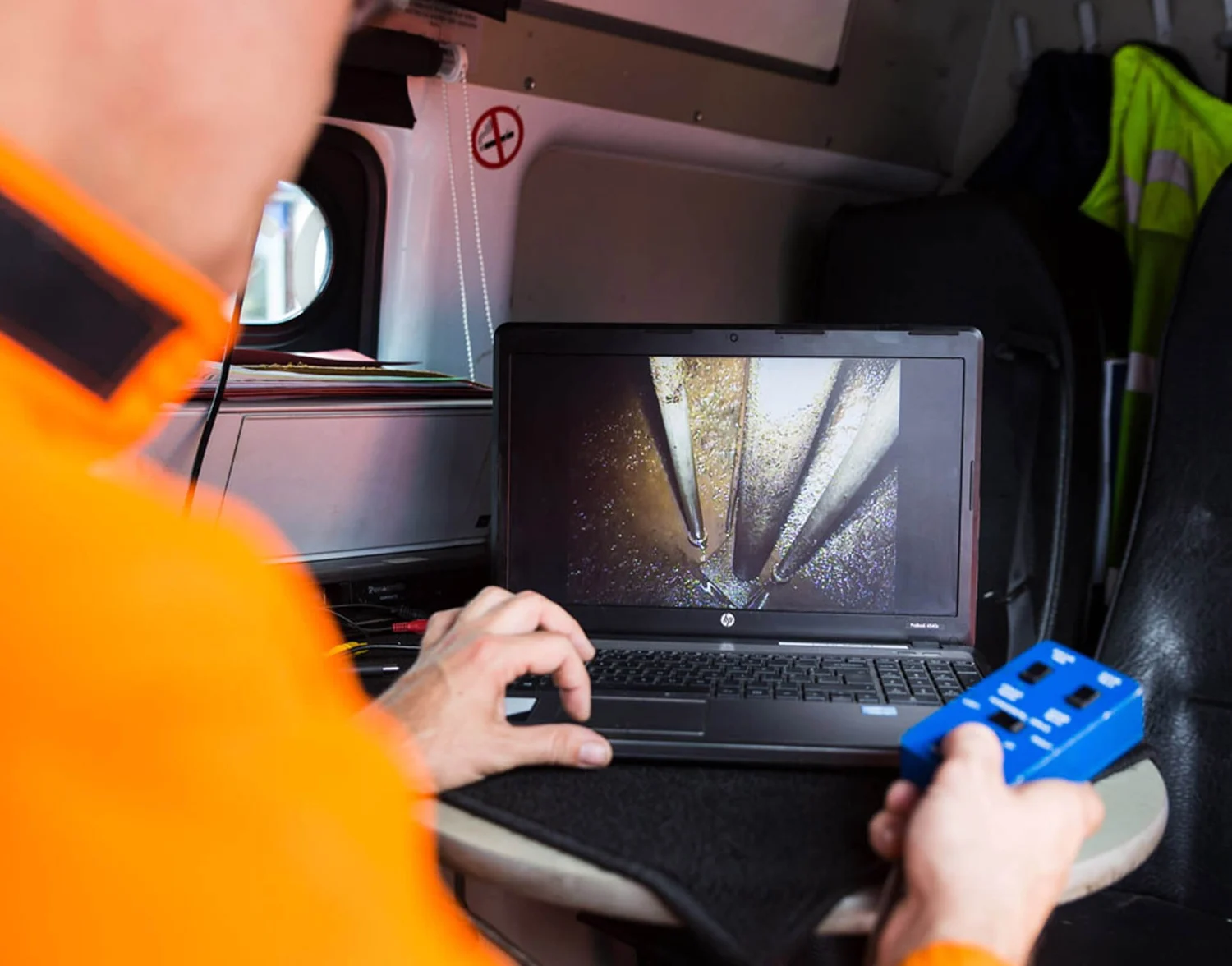
Inspection of drainage systems using appropriate techniques based on system type and site conditions. This may include CCTV surveys, visual inspection of chambers and manholes, and functional checks.

Identification of issues
Assessment of structural defects, blockages, deterioration, or indicators of environmental risk.

Reporting and findings
Clear documentation of observations, findings, and asset condition.

Advisory next steps
Practical recommendations to support maintenance planning, further investigation, or remedial works where required.

Compliance, Standards & Governance
Drainage inspections are carried out with consideration for site-specific safety and environmental controls.
Where required, work is planned to align with relevant permits to work, confined space controls, and traffic management arrangements. Environmental precautions are applied to minimise disturbance and prevent pollution during inspection activities.
Inspection findings and supporting evidence can be used to demonstrate due diligence and support internal governance, maintenance records, or environmental management processes.
Typical Use Environments
The service is commonly delivered across:
• Commercial and industrial sites
• Warehousing and logistics facilities
• Infrastructure-led or operational estates
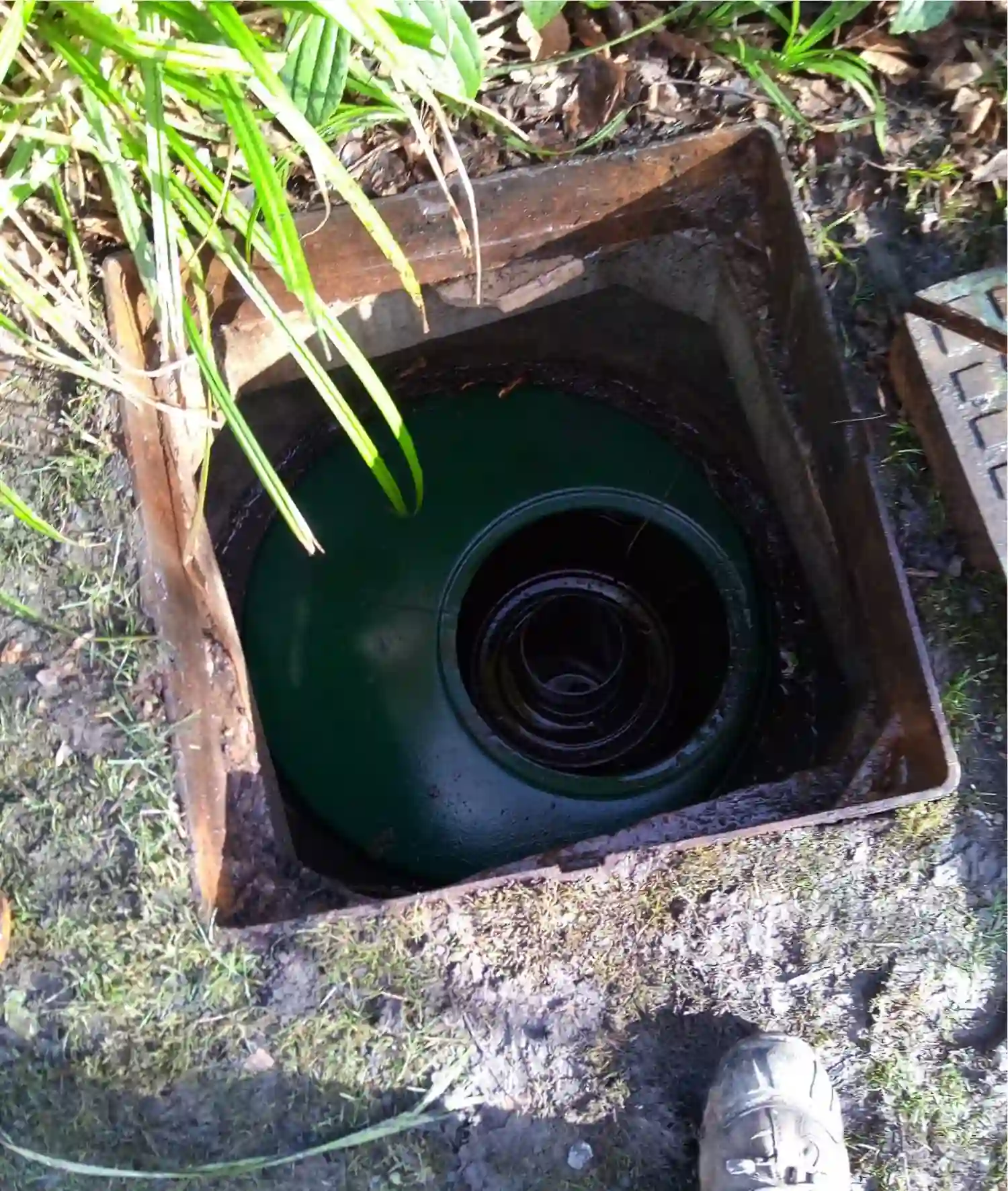
Inspections typically focus on below-ground foul and surface water drainage systems, including associated chambers, manholes, and drainage connected to interceptors. The service does not cover internal building plumbing.
Planned vs Reactive Use
Planned use
Support asset condition assessments.
Preventative maintenance planning.
Baseline surveys following site acquisition or operational change.
Reactive use
Response to flooding.
Repeated blockages.
Odour complaints.
Environmental incidents or near misses.
Related services


What happens next?
Engagement typically begins with a discussion about the site, drainage concerns, or inspection objectives. Based on this, the inspection scope, access requirements, and approach are agreed. Works are then scheduled and carried out in line with site operational and safety requirements, followed by reporting and advisory feedback.