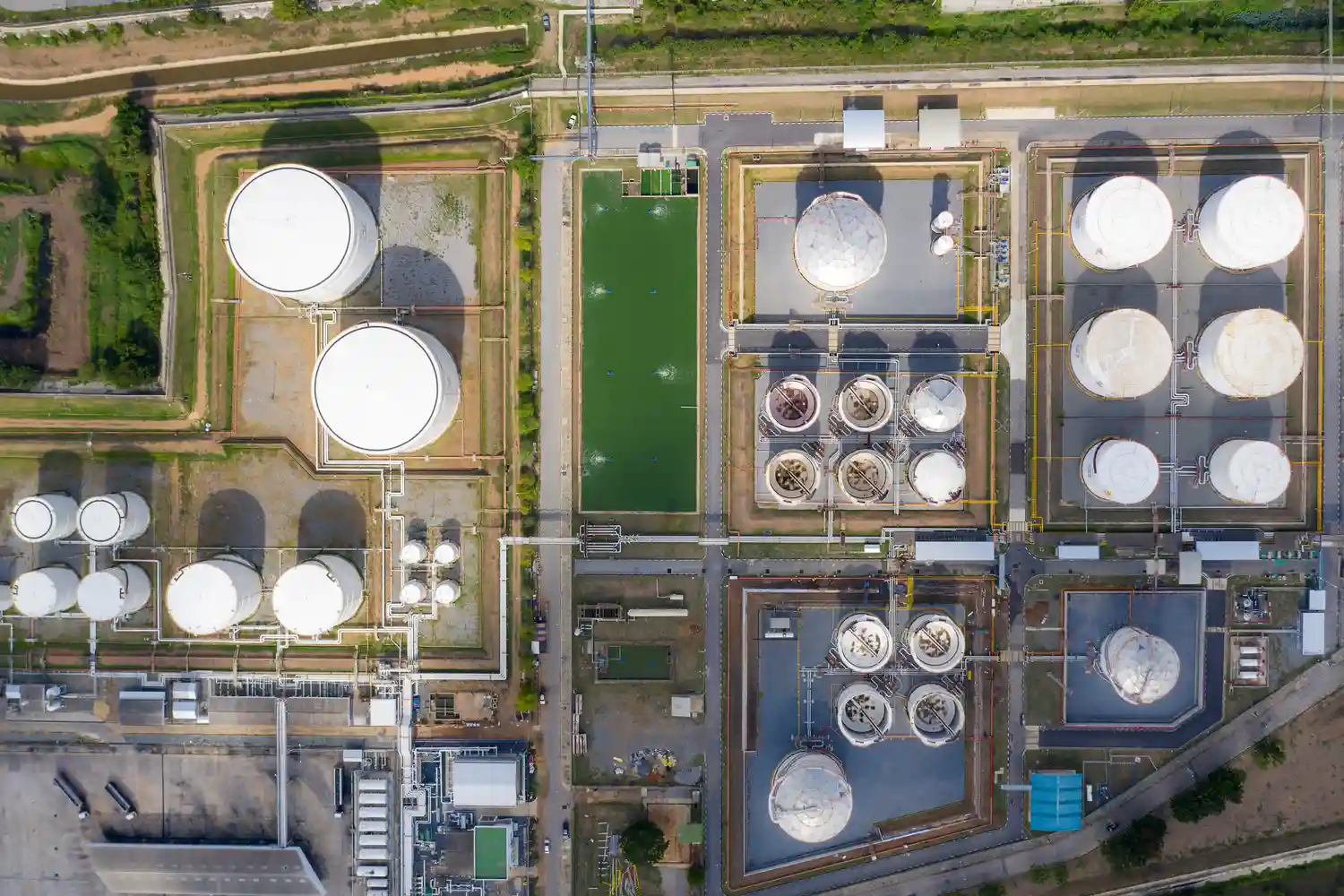
Bund Water Control Systems
Bund Water Control Systems are used to manage rainwater and other liquids that accumulate within secondary containment bunds. When unmanaged, this water can reduce available containment capacity and introduce pollution and compliance risks.


Overview
LCM Environmental provides a UK-wide, end-to-end service supporting the assessment, installation, commissioning, maintenance, and ongoing management of bund water control systems. The service is designed to help site operators maintain effective bund capacity, reduce reliance on manual dewatering, and support compliant, auditable operations.
Systems and approaches are always site-specific. LCM’s role is to support client-led governance through structured assessment, controlled installation, and documented maintenance, rather than to assume or approve discharge permissions. The service is typically integrated into wider site environmental management arrangements, particularly where fuel storage or other regulated substances are present.

Why This Service Matters
Secondary containment bunds are designed to retain spills and leaks. Over time, rainfall and other ingress can significantly reduce their effective capacity.
Where bund water is removed manually, there is an increased risk of human error, such as valves being left open or discharges taking place without appropriate checks. If contamination is present, uncontrolled discharge can create environmental harm and regulatory exposure.
Bund Water Control Systems help sites manage these risks by supporting controlled dewatering, clearer operational oversight, and improved audit readiness. The service is positioned around pollution prevention and operational resilience, without implying that discharge is always permissible or appropriate.

Survey & risk review
Assessment of bund design, condition, capacity, sump arrangements, and potential failure modes. Review of how bund water is currently managed in practice.

Discharge route review (non-authoritative)
Identification of potential discharge or removal routes, such as surface water systems, sewer or interceptor connections, or contained removal by tanker. Acceptability is always subject to site-specific consents and client approval.

System specification (client-led)
Selection of pumps, sensors, controls, and alarms is led by the client or their appointed designer. LCM’s role is to support installation, configuration, and integration rather than endorse specific manufacturers.

Installation & commissioning
Installation of agreed equipment, including pumps, probes, control panels, alarms, and pipework where required. Functional testing, alarm verification, and handover documentation are completed as part of commissioning.

Sampling & testing
Routine or event-driven sampling of bund liquids may be undertaken where required. Where contamination is suspected or identified, dewatering is isolated and escalated in line with agreed procedures.

Compliance, Standards & Governance
This service is delivered with regard to relevant UK guidance and good practice, including:
• HSE guidance on secondary containment and bund management
• Oil storage regulations, where applicable
• Environmental permitting and trade effluent requirements, where relevant
• Industry containment guidance, such as CIRIA publications
Discharge permissions are always site- and regulator-dependent. Client authorisation and appropriate consents are required. LCM does not approve or authorise discharge routes without confirmed governance in place.

Typical Use Environments
Bund Water Control Systems are commonly used at:
• Fuel storage and generator compounds
• Industrial and commercial sites with secondary containment
Not all substances or containment scenarios are suitable without assessment. Additional controls are often required where non-hydrocarbon or mixed chemicals are involved.
Planned vs Reactive Use
Preventative Management
Supporting routine control of rainwater accumulation to maintain bund capacity and reduce day-to-day pollution risk.
Reactive Response
Supporting isolation of dewatering and controlled management of liquids following spills, alarms, or suspected contamination.
Related services

What happens next?
LCM typically begins with an initial site review to understand how bunds are used, what substances are present, and how water is currently managed. This is followed by clarification of discharge governance and agreement on scope before any installation or ongoing support is undertaken.