Underground Storage Tank & Petrol Station Services
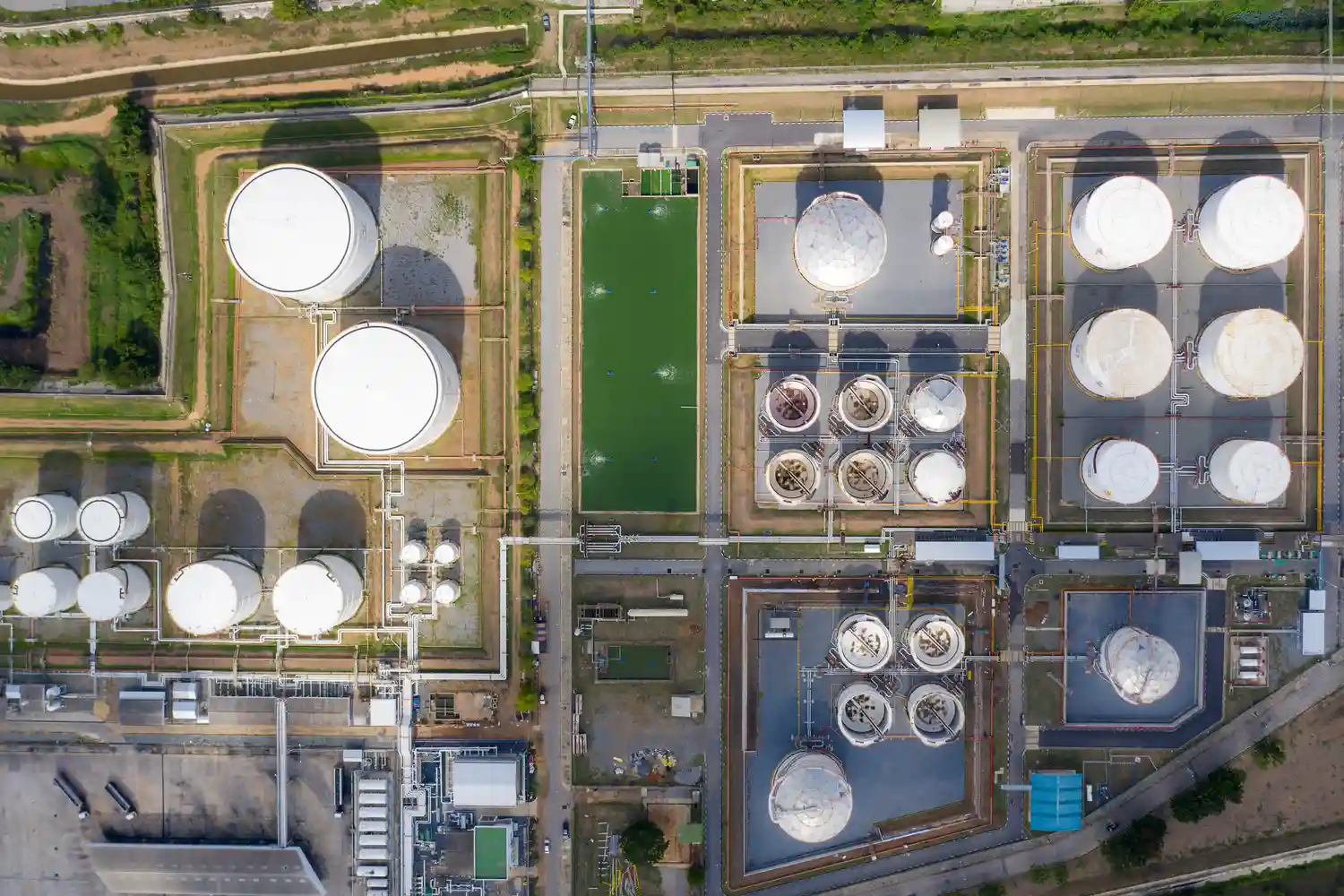
LCM Environmental provides UK-wide services supporting the integrity, safe operation, and lifecycle management of underground storage tanks (USTs), terminal tanks, and associated fuel infrastructure.

Overview
Underground and bulk fuel storage systems are critical containment assets. Their condition directly affects environmental risk, regulatory compliance, and operational continuity.
In addition to inspection, testing, refurbishment, and decommissioning support, LCM offers single and double skin tank lining systems. These systems are formulated using Bisphenol A Vinyl Ester resin, suitable for all grades of BIO-fuel. Minor leaks in steel or GRP tanks can be repaired as an integral part of the laminating process.
The double skin liner system converts single-skin tanks into double-walled tanks. When combined with continuous remote monitoring, this approach supports containment integrity and early leak detection within live operational environments.
All works are defined through site-specific assessment and aligned to operational, environmental, and governance requirements.
Impact
Underground and bulk storage tanks operate out of sight but carry clear environmental and operational risk if condition deteriorates.
Corrosion, material degradation, and undetected leaks can increase the likelihood of contamination events, system alarms, and unplanned shutdowns. In forecourt and terminal environments, such disruption can affect fuel sales, site availability, and stakeholder confidence.
Where older single-skin tanks remain in service, containment resilience may not align with modern risk expectations. Upgrading to a double skin liner system, with integrated monitoring, can enhance secondary containment capability without full tank replacement.
Structured assessment and refurbishment, including lining systems designed for BIO-fuels, helps manage integrity risk and support continued safe operation.

Asset review and condition assessment
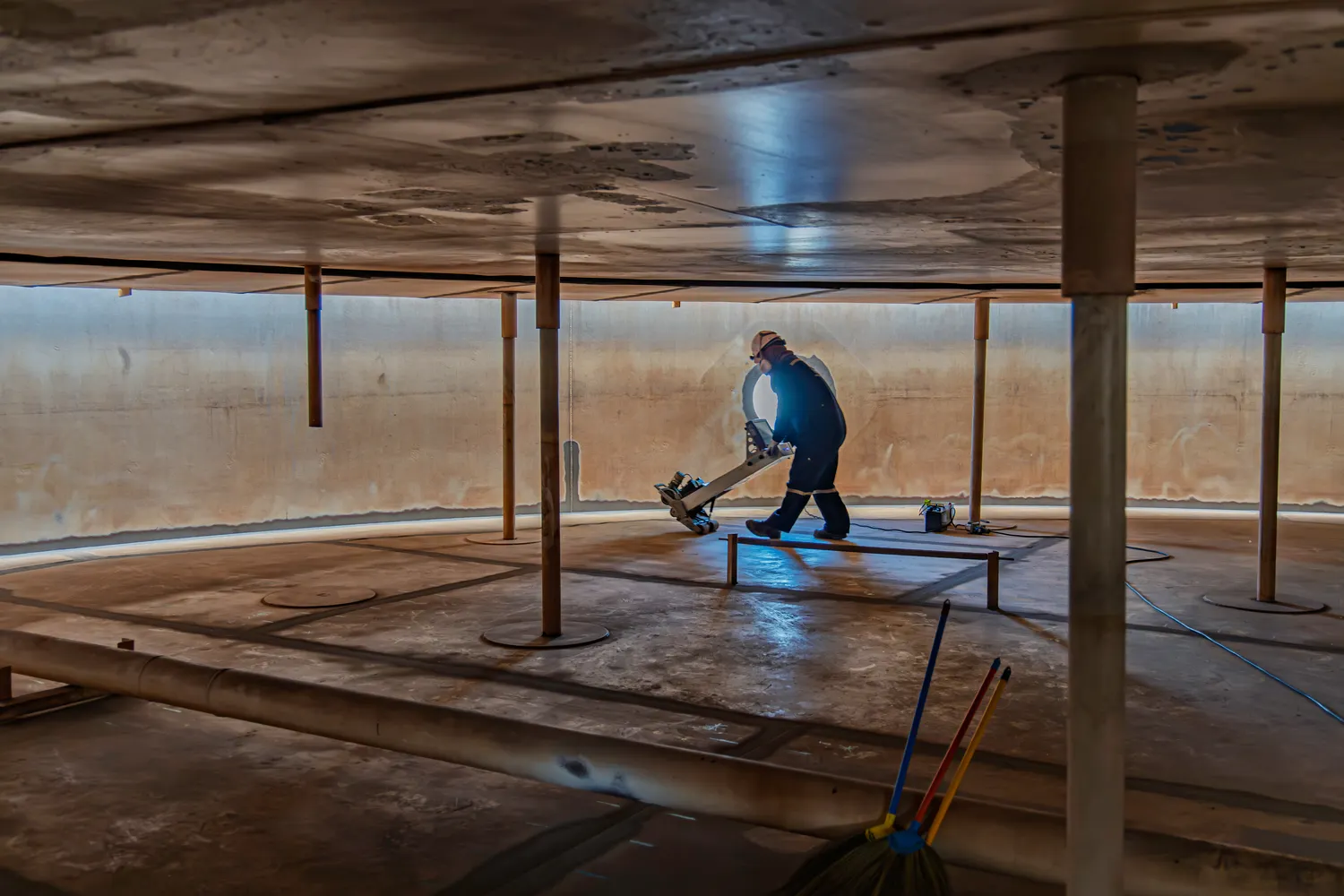
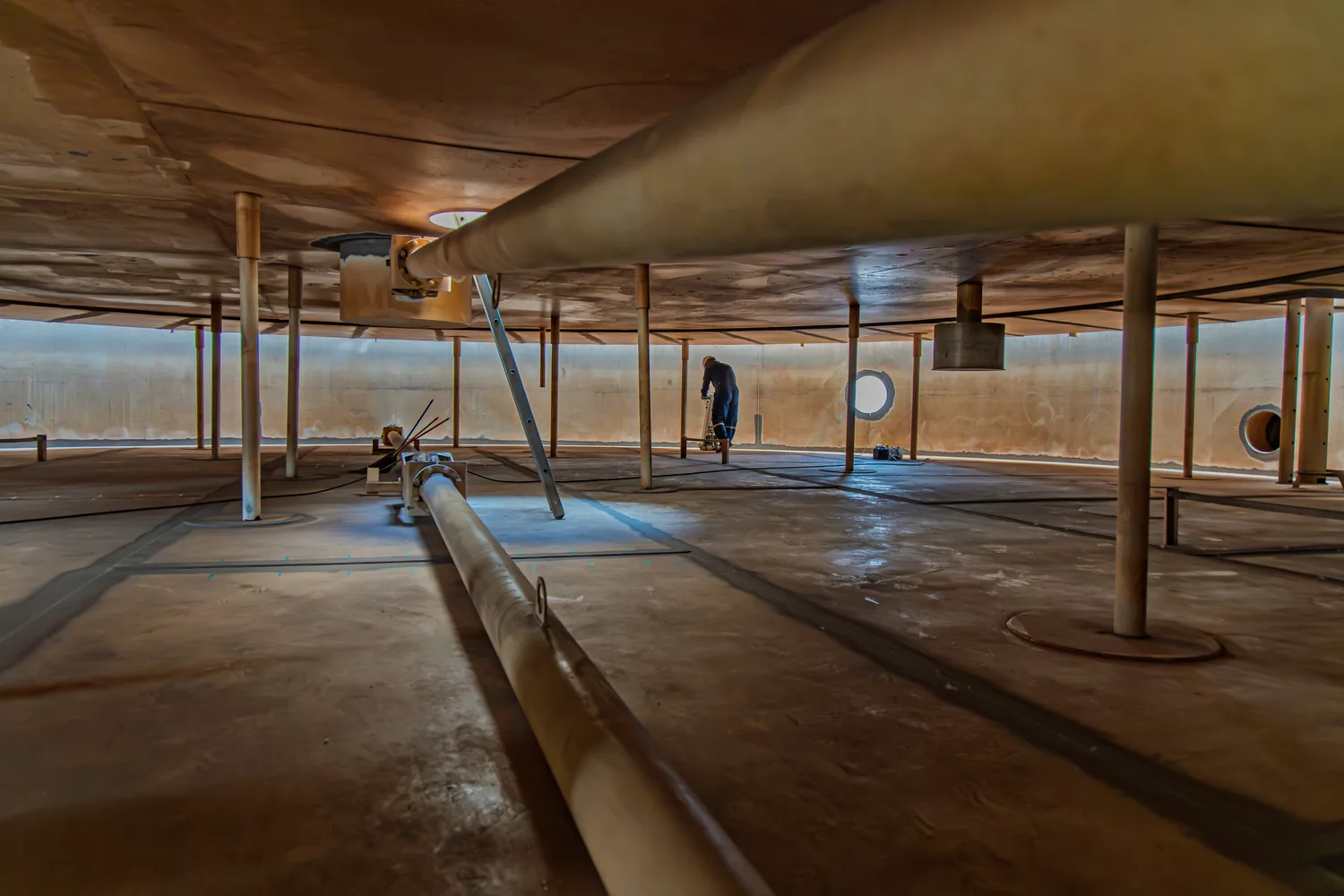
Survey of underground storage tanks, terminal tanks, or bulk storage systems to assess structural condition, material type (steel or GRP), existing monitoring, and evidence of degradation.

Cleaning and surface preparation
Tank cleaning and preparation works to enable inspection, repair, and lining installation in line with agreed specification.

Single or double skin liner installation
Installation of a laminate liner system formulated using Bisphenol A Vinyl Ester resin, suitable for all grades of BIO-fuel. • Single skin liner systems provide corrosion protection and containment enhancement. • Double skin liner systems convert single-skin tanks into double-walled tanks, creating an interstitial space for leak detection.

Continuous remote monitoring
Where specified, the interstitial space can be connected to continuous remote monitoring systems to support early leak detection and ongoing integrity oversight.

Testing, verification and recommissioning
A summary of findings, identified issues, and practical next-step recommendations. Documentation can be provided to support site records and audit requirements.

Records and handover documentation
Provision of installation records, monitoring information, and test evidence appropriate to the works undertaken.

Compliance, Standards & Governance
Works are planned and delivered in accordance with site-specific risk assessments, permits, and client governance frameworks.
Where leak detection systems are installed or verified, recognised standards such as EN 13160-2 may be referenced where applicable.
Activities are undertaken with regard to relevant UK petrol station, hazardous area, and environmental regulatory frameworks, as appropriate to scope.
Roles, responsibilities, documentation requirements, and acceptance criteria are confirmed during scope definition to support audit readiness and regulatory alignment.

Typical Use Environments
This service is typically delivered within:
• UK petrol filling stations and forecourts
• Underground storage tank installations (USTs)
• Fuel terminals and bulk storage facilities
• Live operational environments with restricted access or defined shutdown windows
Works are planned to reflect the operational sensitivity and safety-critical nature of these sites.
Planned vs Reactive Use
Planned use
May include condition assessments, lifecycle extension strategies, proactive lining installation, or upgrade from single to double skin containment as part of asset integrity programmes.
Reactive use
May follow leak alarms, failed tightness tests, corrosion findings, or regulatory concern, where investigation and remedial lining works are required.
Related services

What happens next?
Initial discussions focus on tank type, age, construction material, stored fuel type, monitoring arrangements, and operational constraints. LCM Environmental will assess suitability for lining, upgrade to double skin containment, or alternative remedial strategy before defining scope.