Bund Inspections
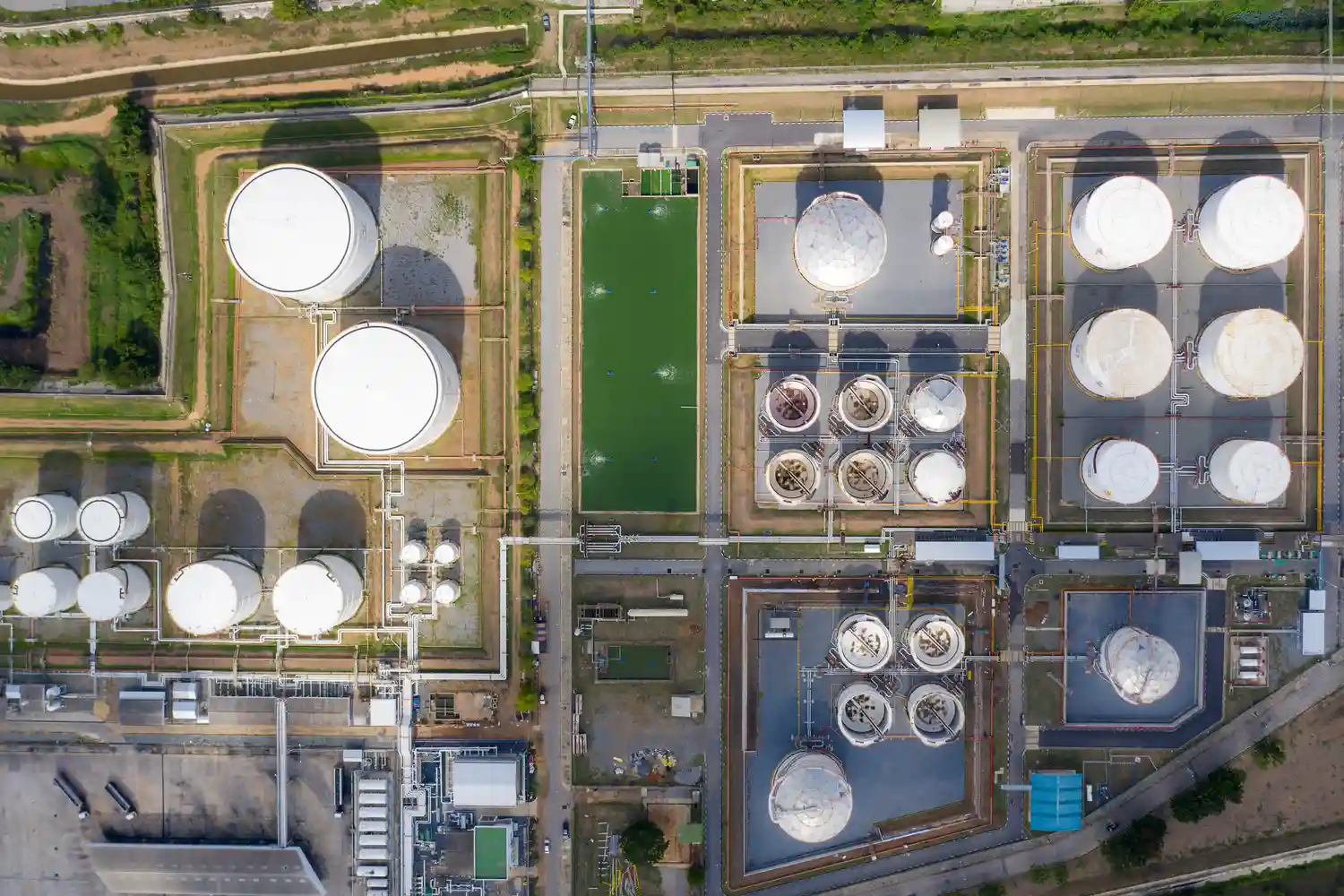
Bund inspections are a structured service that assesses the condition, suitability, configuration, and integrity of secondary containment systems used alongside fuel and chemical storage.

Overview
Bunds are designed to contain leaks or spills from primary storage tanks. In general practice, bunds should be sized to hold at least 110% of the maximum capacity of the largest tank or drum within the enclosure. This allows additional capacity for rainwater and, where relevant, the introduction of firefighting foam during an emergency response.
However, capacity alone does not determine performance. Wall height, floor area, drainage arrangements, and internal configuration all influence how a bund behaves during a release scenario.
LCM Environmental delivers bund inspections across the UK, focusing on visible condition, effective containment capacity, structural integrity, and configuration risks. The service provides documented findings and practical recommendations to support informed asset management and environmental risk control.

Why This Service Matters
Secondary containment systems can degrade over time due to weather exposure, loading, chemical attack, or poor housekeeping. Cracks, failed joints, porous substrates, or degraded linings can reduce containment reliability.
Effective capacity may also be reduced by accumulated rainwater, silt, or debris.
Bund geometry introduces further considerations. Low wall heights, typically in the range of 1–1.5 metres, are often used to facilitate firefighting access.
However, lower walls may offer limited defence against:
• Spigot flow, where a leak from the sidewall of a tank passes over the bund wall
• The tidal wave effect associated with catastrophic tank failure
Conversely, high-walled bunds may increase containment volume but can introduce additional risks. Where bund walls approach tank height, consideration must be given to the possibility of tanks floating as the bund fills, potentially leading to structural failure.
Bund inspection helps identify these configuration and condition risks before an incident occurs, supporting proportionate maintenance and risk mitigation planning.

Pre-inspection scoping
Review of stored substances, tank sizes, maximum volumes, bund configuration, wall height, floor area, drainage arrangements, and any known issues. Site constraints such as permits, hazardous area controls, and access limitations are confirmed.

Capacity and configuration review
Assessment of whether the bund appears proportionate to the stored volume, including consideration of the 110% capacity principle for the largest tank. Visual appraisal of wall height relative to tank height and evaluation of potential spigot flow pathways or overtopping risks.

On-site condition inspection
Visual inspection of walls, base, joints, penetrations, interfaces, and lining systems where present. Identification of cracking, spalling, degradation, seal failure, or vegetation growth affecting integrity.

Functional and operational checks
Review of drainage systems, rainwater management, valve condition where fitted, and evidence of silt or debris reducing effective capacity.

Integrity assessment where appropriate
Where construction type or risk profile warrants further evaluation, additional integrity checks may be proposed. Methods and extent are agreed during scoping and remain site-specific.

Reporting and recommendations
Findings are documented with photographs, descriptions, and risk-based prioritisation. Configuration risks, capacity limitations, and structural concerns are clearly outlined to support decision-making.

Compliance, Standards & Governance
Bund inspection is typically informed by recognised good practice and guidance relating to secondary containment and pollution prevention.
General principles such as the 110% capacity guideline for the largest stored container are widely referenced in UK oil storage and environmental guidance. However, detailed design expectations, including wall height ratios and configuration, vary between codes and sectors.
LCM Environmental does not treat inspections as certification or regulatory sign-off. The service provides structured, documented input to support compliance planning, environmental risk management, and audit readiness. Applicability of specific regulatory frameworks is considered on a site-by-site basis.
Typical Use Environments
Bund inspection may be applicable across sites using secondary containment, including:
• Industrial and commercial fuel storage areas
• Chemical storage installations
• Depots and logistics facilities
• Utilities and infrastructure sites
• Warehouses holding oil or chemical inventories
Each site is assessed according to stored volume, bund geometry, and operational context rather than by asset type alone.
Planned vs Reactive Use
Planned use
Bund inspections are commonly undertaken as part of preventative asset management programmes to establish baseline condition, verify effective capacity, and monitor deterioration over time.
Reactive use
Inspections may also follow visible damage, suspected leakage, configuration changes, incident response, or preparation for regulatory or insurer review.
Related services


What happens next?
The next step is an initial discussion to understand stored volumes, bund configuration, wall heights, and any known concerns. From this, the inspection scope and reporting requirements are agreed. Once access and safety controls are confirmed, the inspection is scheduled and delivered.