Coatings and Linings
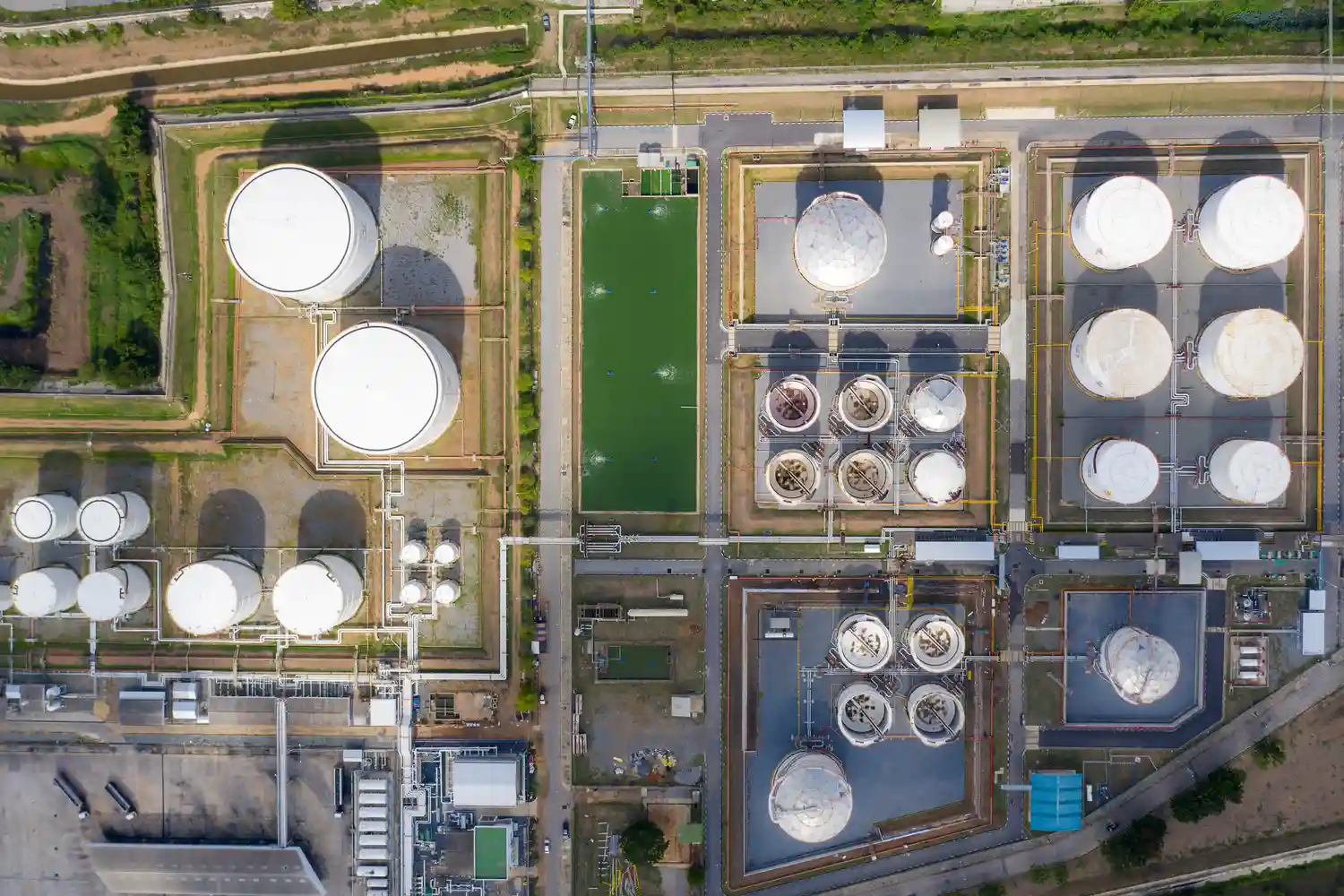
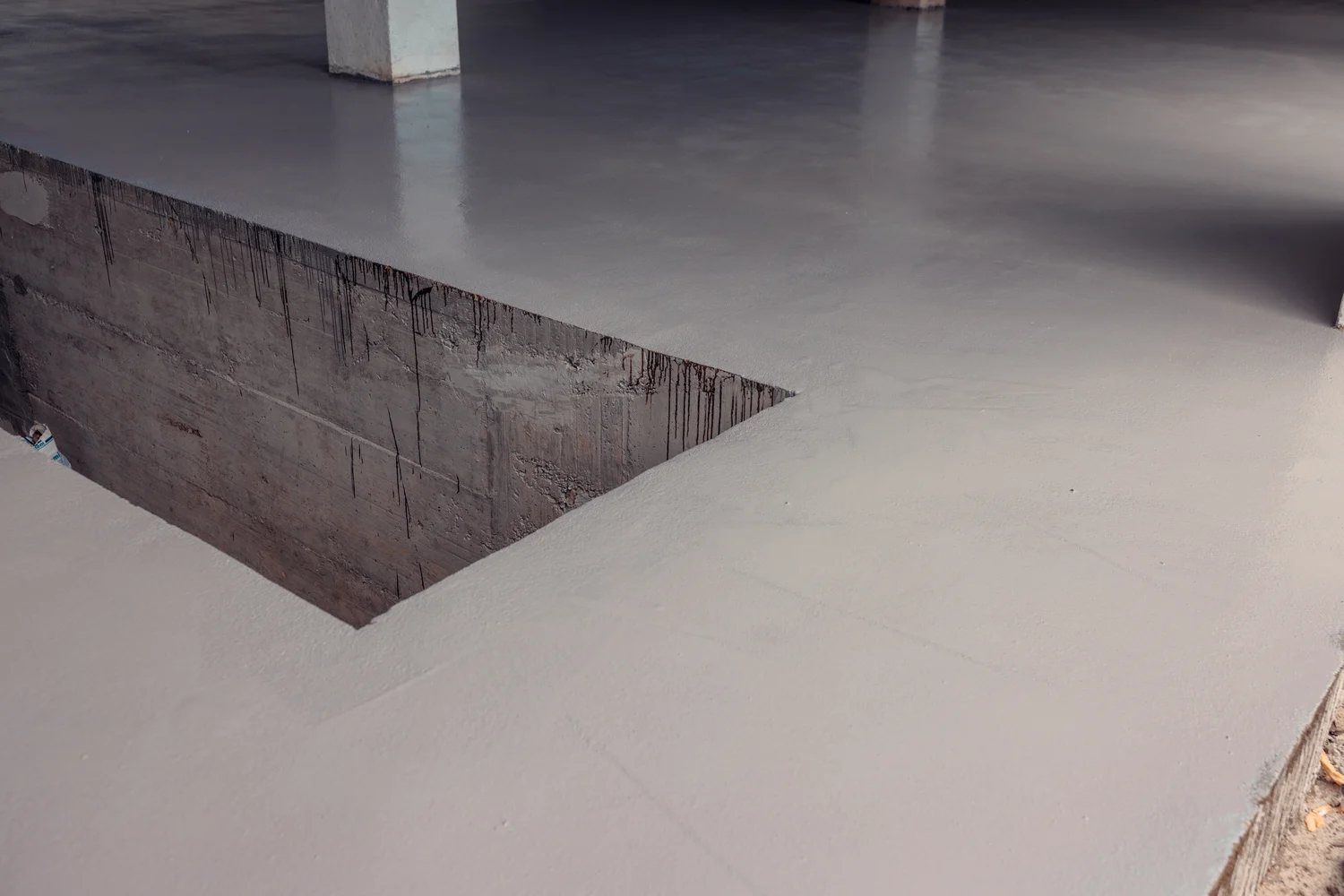
Coatings and Linings is a technical service focused on the application, repair, inspection, and testing of protective coating and lining systems used on industrial assets. These systems are applied to help protect substrates from corrosion, chemical attack, abrasion, and environmental exposure, supporting containment integrity and extending asset service life.

Overview
LCM Environmental operates as an independent contractor with no restrictive allegiance to any single coating manufacturer. This allows selection of the most appropriate coating or lining system to meet the client’s precise operational requirements and environmental conditions.
Materials are typically selected from a defined group of established manufacturers. This approach ensures product familiarity, correct application methods, and direct access to manufacturer technical support where required.
The service covers tanks, vessels, pipework, pumps, valves, tanker linings, and pipe wrapping systems, subject to assessment of material, duty, access, and operating conditions. Full inspection and repair of coated and lined vessels can also be undertaken where required.

Impact
Industrial assets containing fuels, chemicals, water, food-grade products, or process fluids are vulnerable to corrosion and material degradation. Where protective systems fail or deteriorate, this may lead to loss of containment, reduced asset performance, or accelerated structural damage.
In sectors such as nuclear, petrochemical, forecourt, water, food, and gas and oil industries, coating or lining integrity can directly affect environmental compliance, safety, and operational continuity.
Inadequate system selection or poor-quality application increases the risk of premature failure and repeat intervention. A controlled, specification-led approach helps manage these risks by aligning coating performance with the asset’s operating environment and duty cycle.

Asset review or inspection
Assessment of substrate condition, operating environment, chemical exposure, temperature, access constraints, and existing coating performance.

System selection
Selection of the most appropriate coating or lining system based on duty and environment. As an independent contractor, LCM selects systems without manufacturer restriction, while working with a defined group of trusted suppliers to ensure technical familiarity and support.

Surface preparation
Preparation of substrates to remove contamination, corrosion, or failed coatings. Preparation standards are aligned to system specification and agreed scope.

Application or repair
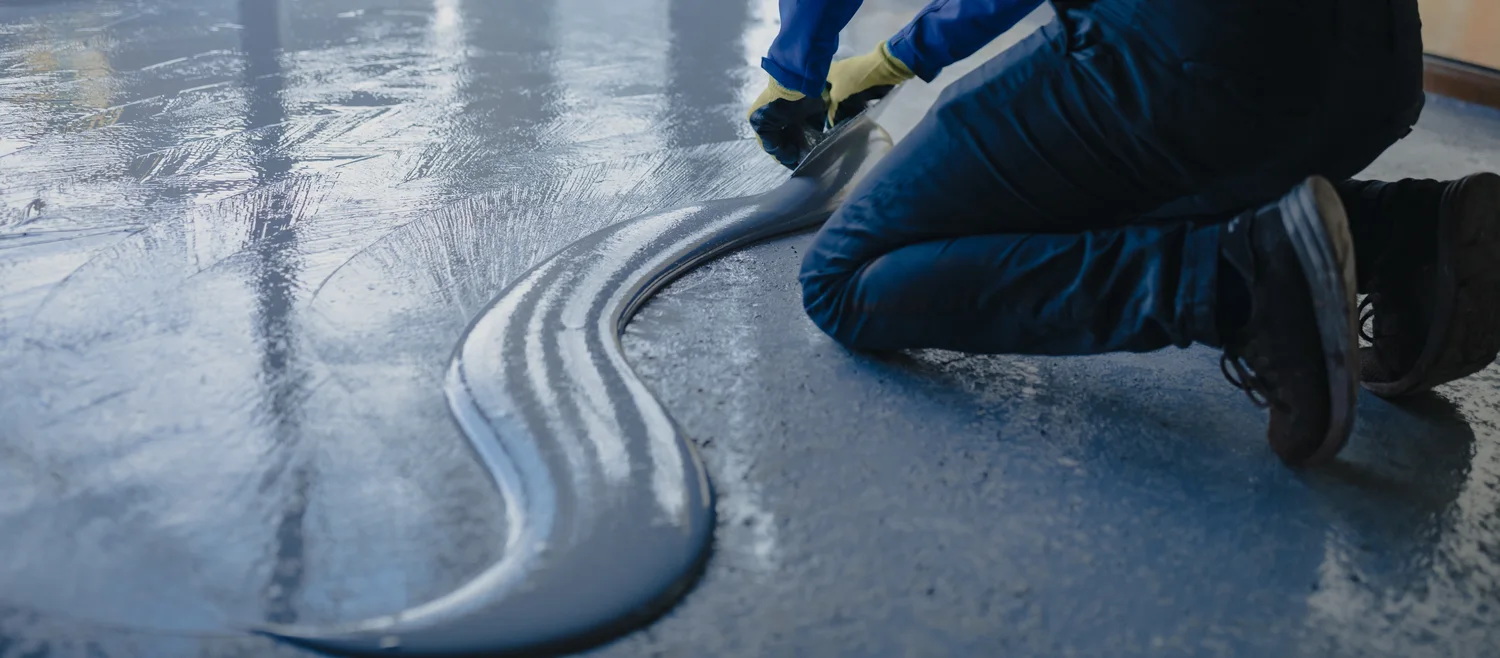
Application of new coating or lining systems, repair of existing coatings, tanker lining installation, or pipe wrapping works as required.

Quality control and testing
All coatings and linings are subject to strict quality control procedures. Inspection and testing equipment may be used to verify preparation standards, coating thickness, curing, and integrity, in line with specification.

Post-application inspection and reporting
Completion of inspection records, documentation of works undertaken, and provision of agreed evidence to support maintenance planning and governance requirements.
Compliance, Standards & Governance
Coatings and linings are often governed by British, international, or client-specific standards defining preparation grades, application methods, curing requirements, and inspection criteria.
Client, insurer, or regulatory specifications may also set requirements for documentation, quality control, and acceptance thresholds. These obligations vary by asset type and sector.
Works are delivered in accordance with site-specific risk assessments, permit-to-work systems, and safety controls. Scope and documentation are agreed in advance to support audit readiness and regulatory alignment.

Typical Use Environments
Assets commonly addressed include:
Assets commonly addressed include:
• Above-ground and underground storage tanks
• Process vessels and lined equipment
• Pipework (internal and external surfaces)
• Tanker barrels and compartments
• Pumps and valves
Pipe wrapping systems and tanker lining inspections are also undertaken where required.
Sectors served include:
• Nuclear
• Petrochemical
• Forecourt and fuel infrastructure
• Water and wastewater
• Food and processing
• Gas and oil industries
Final applicability is determined by asset construction, operating conditions, and regulatory context.
Evidence, Inspection and Reporting
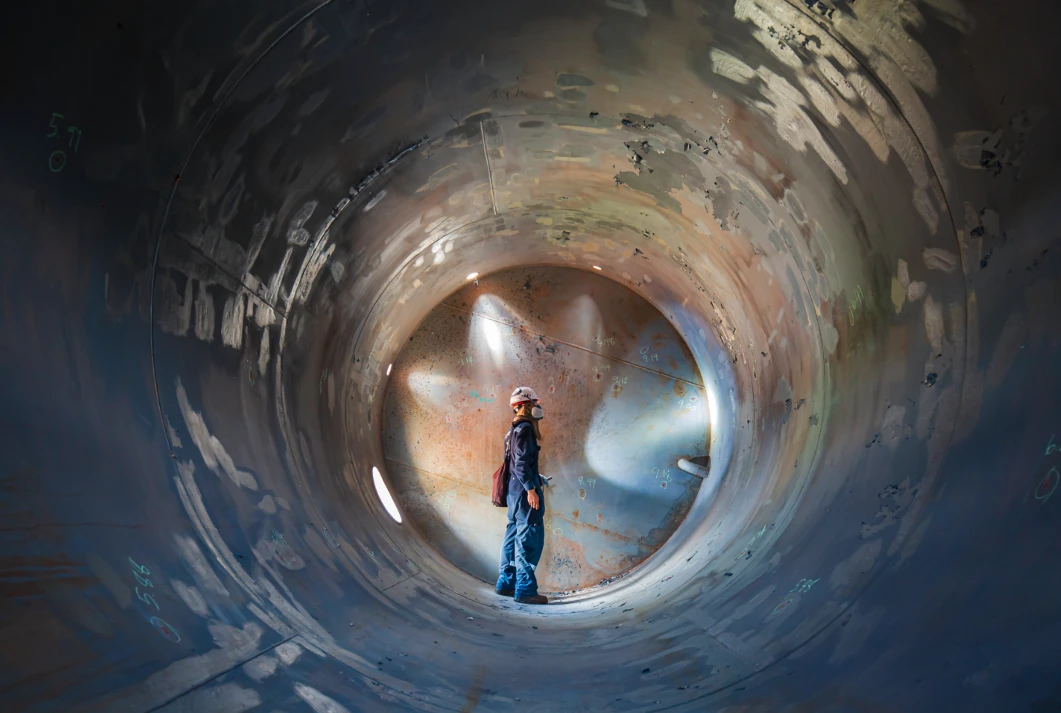
Evidence and reporting are aligned to asset criticality and agreed specification. Depending on scope, this may include:
• Visual inspection records
• Coating thickness measurements
• Integrity or continuity testing where required
• Photographic documentation
• Method statements and work records
Strict quality control procedures are followed to verify that coatings or linings meet defined acceptance criteria.
The service does not imply warranties, guarantees, or certification unless expressly agreed.
Planned vs Reactive Use
Planned use
Coatings and Linings services may form part of planned maintenance programmes supporting lifecycle management and corrosion control strategies.
Reactive use
They may also be delivered reactively in response to coating breakdown, inspection findings, contamination, or operational failure.
Related services


What happens next?
The process typically begins with an initial discussion to understand the asset type, sector, operating environment, and existing condition. Scope, system selection, preparation requirements, quality control procedures, and documentation outputs are then agreed prior to mobilisation, ensuring clarity of responsibilities and performance expectations.