Tank Thickness Testing
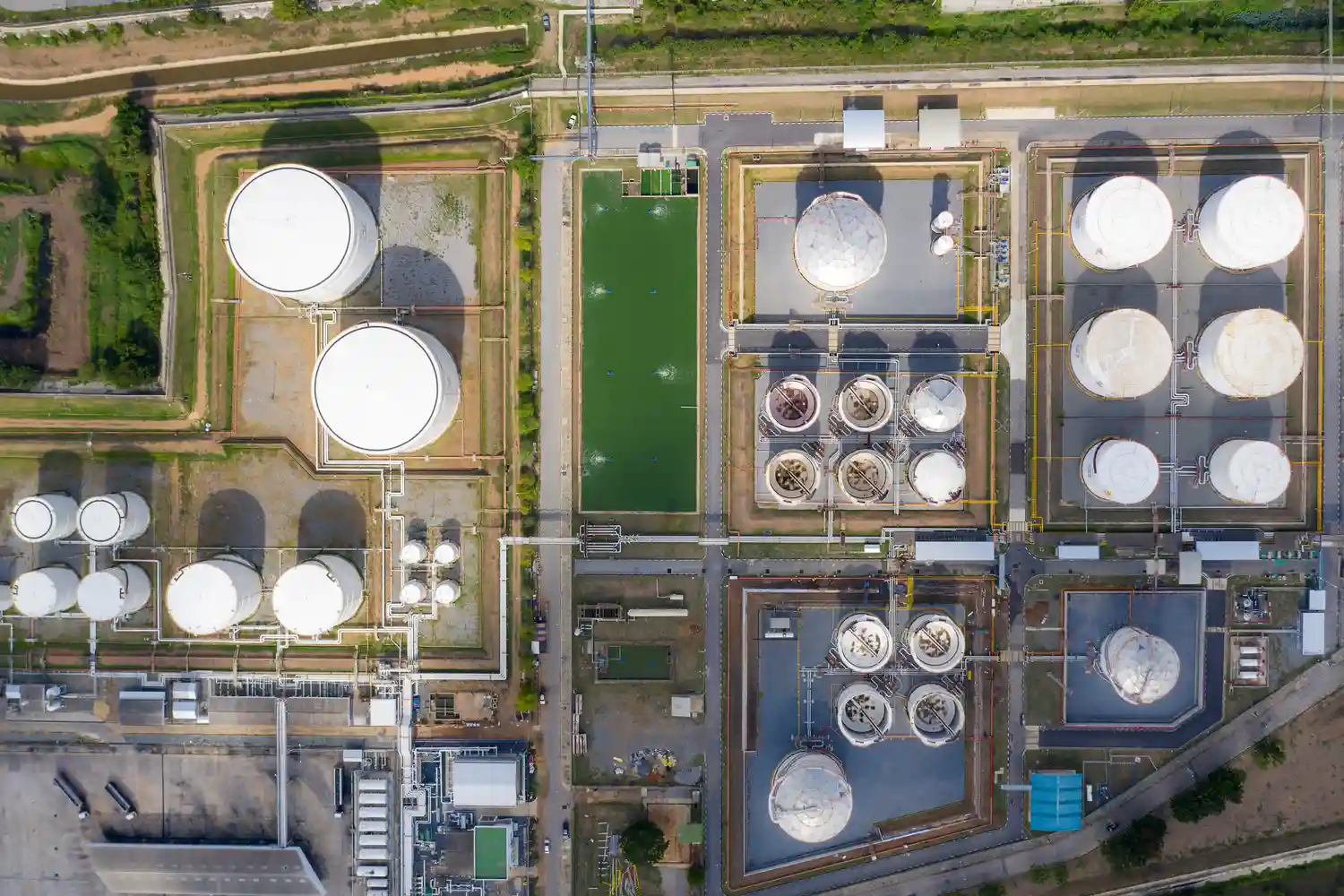
Tank Thickness Testing is a non-destructive testing service used to measure the remaining wall thickness of metallic storage tanks, typically steel. It is carried out to identify material loss caused by corrosion or erosion and to support informed decisions around inspection, maintenance, and ongoing asset management.

Overview
Within fuel and industrial storage environments, loss of wall thickness can develop gradually and may not be visible during routine visual inspections. Thickness testing provides quantified condition data that can be compared with previous results or agreed criteria, helping asset owners understand how a tank is performing over time.
The service is typically focused on accessible areas of the external tank shell and associated features, subject to site access and agreed scope. It may be undertaken while the tank remains in service, depending on site conditions, hazardous-area classification, and permit requirements.
Tank thickness testing is distinct from coating or lining thickness measurement and does not assess coating quality unless this is separately defined within the scope.

Why This Service Matters
Metallic storage tanks are exposed to environmental, operational, and product-related conditions that can contribute to gradual wall loss. If undetected, thinning of the tank shell can increase the risk of loss of containment and unplanned intervention.
Tank thickness testing helps organisations identify early signs of deterioration, supporting evidence-based decisions rather than reactive responses. For facilities and estates teams, this can assist with forward planning and budget control. For HSE and compliance leads, it provides documented condition data to support internal governance and assurance processes.
Used appropriately, the service contributes to a clearer understanding of asset condition, helping to prioritise monitoring, maintenance, or further investigation where it may be required.

Scope
Initial discussion to confirm the tank type, operating status, access constraints, and inspection objectives

Planning
Planning of access arrangements and agreement of safe working methods, including permits where required

Measurement
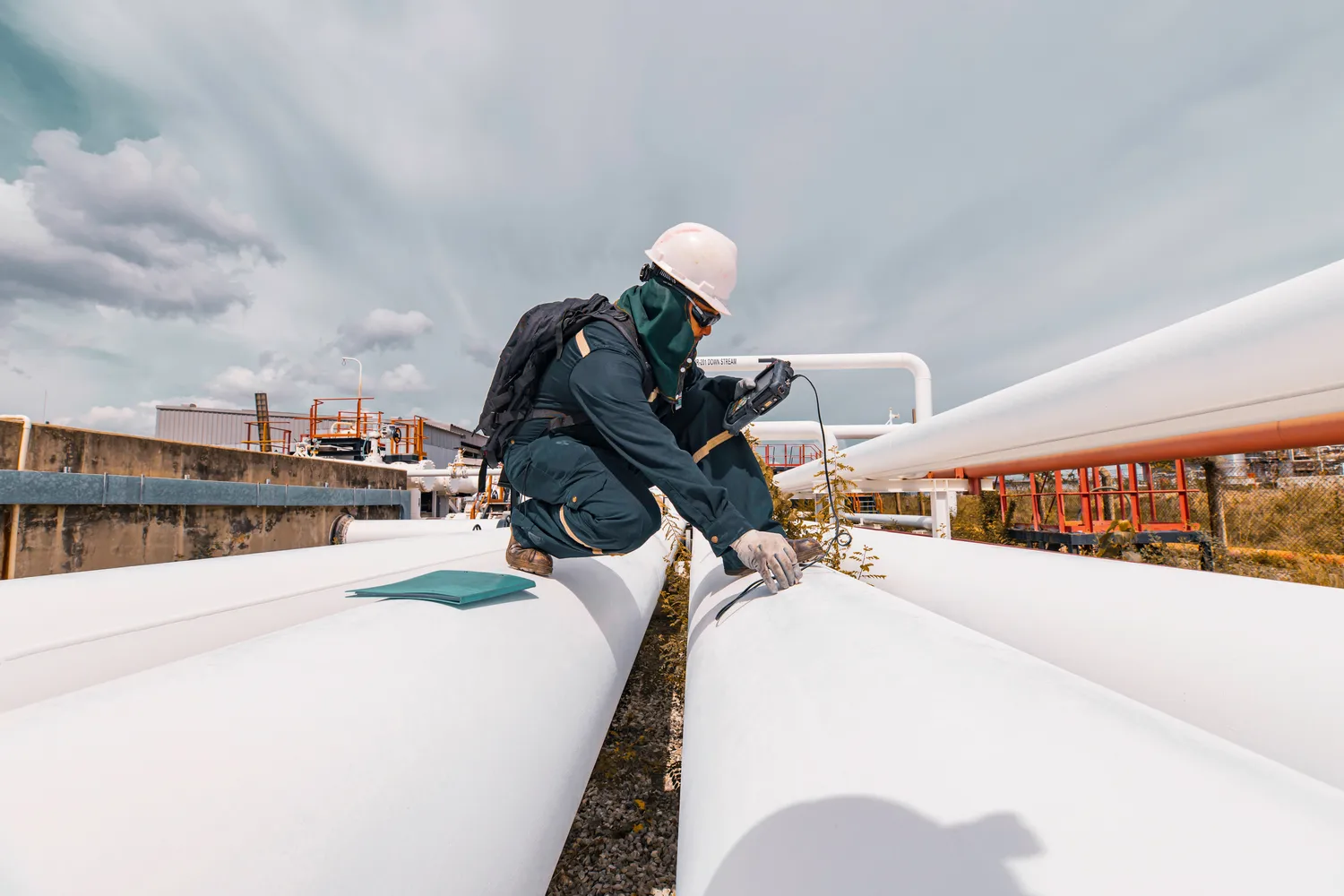
Thickness measurement using suitable non-destructive techniques, such as ultrasonic methods, selected to suit the asset and environment

Recording
Recording of readings at defined locations agreed in advance

Review
Review of results against previous data or client-defined criteria where available

Documents
Issue of a documented record of findings, aligned with the agreed scope

Compliance, Standards & Governance
Tank thickness testing may be carried out in environments classified as hazardous or flammable. Where applicable, appropriate controls are applied in line with site rules, permit systems, and relevant DSEAR or ATEX considerations.
The approach to inspection may be informed by commonly referenced industry guidance for above-ground storage tanks, such as EEMUA 159 or API 653, where applicable and where agreed with the client. These documents are used as reference points only and do not imply certification or compliance outcomes.
All work is undertaken in accordance with agreed method statements and site governance requirements.

Typical Use Environments
This service is typically used on:
• Above-ground metallic storage tanks within fuel infrastructure
• Industrial storage tanks used for oils, fuels, or process liquids
• Operational sites where tanks remain in service and external access is available
The suitability of the service for a specific tank or location is confirmed during scoping.
Planned vs Reactive Use
Planned use
Tank thickness testing may be used as part of a planned inspection and monitoring programme, providing baseline data and supporting periodic trending over time.
Reactive repair work
It can also be used reactively, where corrosion, damage, or degradation is suspected and targeted measurements are required.
Related services


What happens next?
If you are considering tank thickness testing, the next step is to discuss the asset type, operating status, and access constraints. This allows hazardous-area requirements, permits, and inspection objectives to be confirmed. Scope, reporting needs, and any applicable guidance are agreed in advance, ensuring the service is aligned with your operational and governance requirements before work starts.