Spill Response – Initial Clean Up
Spill Response – Initial Clean Up is a reactive service provided by LCM Environmental to support sites following an unplanned spill or release of material.


Overview
The service focuses on the first phase of incident response. Its role is to contain the spill, reduce immediate risks to people and the environment, and remove accessible contamination in order to stabilise site conditions.
These early actions are intended to limit spread, protect drainage and surrounding areas, and create a controlled position from which next steps can be assessed.
Initial clean-up is often the foundation for wider incident management. In some cases, these actions may be sufficient to bring the situation under control. In others, the findings and conditions following initial clean-up may indicate the need for further investigation or remediation. Where required, this can be progressed as a subsequent stage under a separate but connected service scope.

Why This Service Matters
Spills can escalate quickly if not addressed at an early stage. Materials may migrate into drainage systems, penetrate surfaces, or spread beyond the immediate area, increasing environmental exposure and complicating recovery.
Initial clean-up plays a key role in controlling uncertainty. By acting early to contain and remove spilled material, sites can reduce immediate hazards, limit secondary impacts, and gain clearer visibility of the incident’s true extent.
From an operational and reputational perspective, early intervention supports safer working conditions, reduces disruption, and demonstrates proportionate management of the incident. It also helps inform whether further action is required, allowing remediation decisions to be based on observed conditions rather than assumptions.

Incident notification and initial scoping
Review of available information to understand the nature of the spill, access constraints, and immediate priorities.

Site safety and containment measures
Actions to help secure the affected area and prevent further spread, where appropriate.

Initial clean-up activities
Removal of spilled material and visibly impacted media, depending on incident conditions.

Management of impacted materials
Segregation and control of recovered materials to support appropriate onward handling.

Stabilisation and forward assessment
Once immediate risks are reduced, conditions are assessed to determine whether no further action is required or whether progression to remediation should be considered.

Typical Use Environments
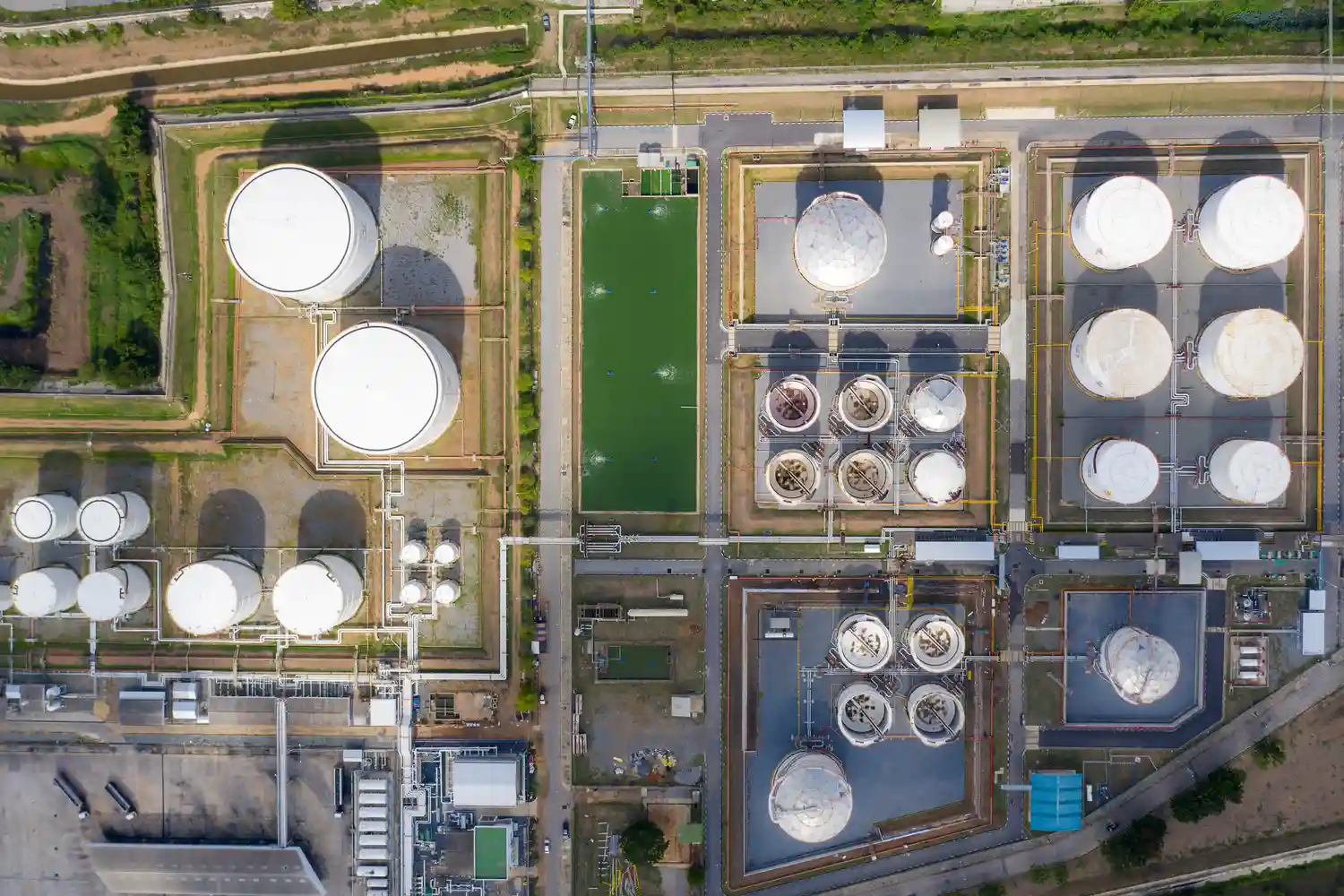
This service may be used across a range of environments, subject to incident type and access, including:
• Industrial and operational sites
• Fuel storage and handling areas
• Yards, plant rooms, and loading zones
• Locations where drainage or interceptors may be at risk
Each site and incident is assessed individually.

Compliance, Standards & Governance
Initial spill response activities are carried out with consideration for site safety arrangements and recognised environmental good practice, where applicable.
This service supports, but does not replace, the site operator’s duty of care. Decisions relating to notifications, reporting, or regulatory engagement remain the responsibility of the operator unless addressed under a separate agreement.
Records produced during initial clean-up may contribute to wider incident documentation where further stages follow.
Planned vs Reactive Use
Planned use
Forms part of a wider spill response framework.
Preparedness planning and environmental controls.
Reactive use
Response to unplanned incidents.
Initial clean-up.
Related services

What happens next?
Following a spill, LCM can be contacted to discuss the incident and confirm whether initial clean-up support is appropriate. Once early actions are completed, the site can review conditions and decide whether the incident is resolved or whether further investigation or remediation should be progressed.