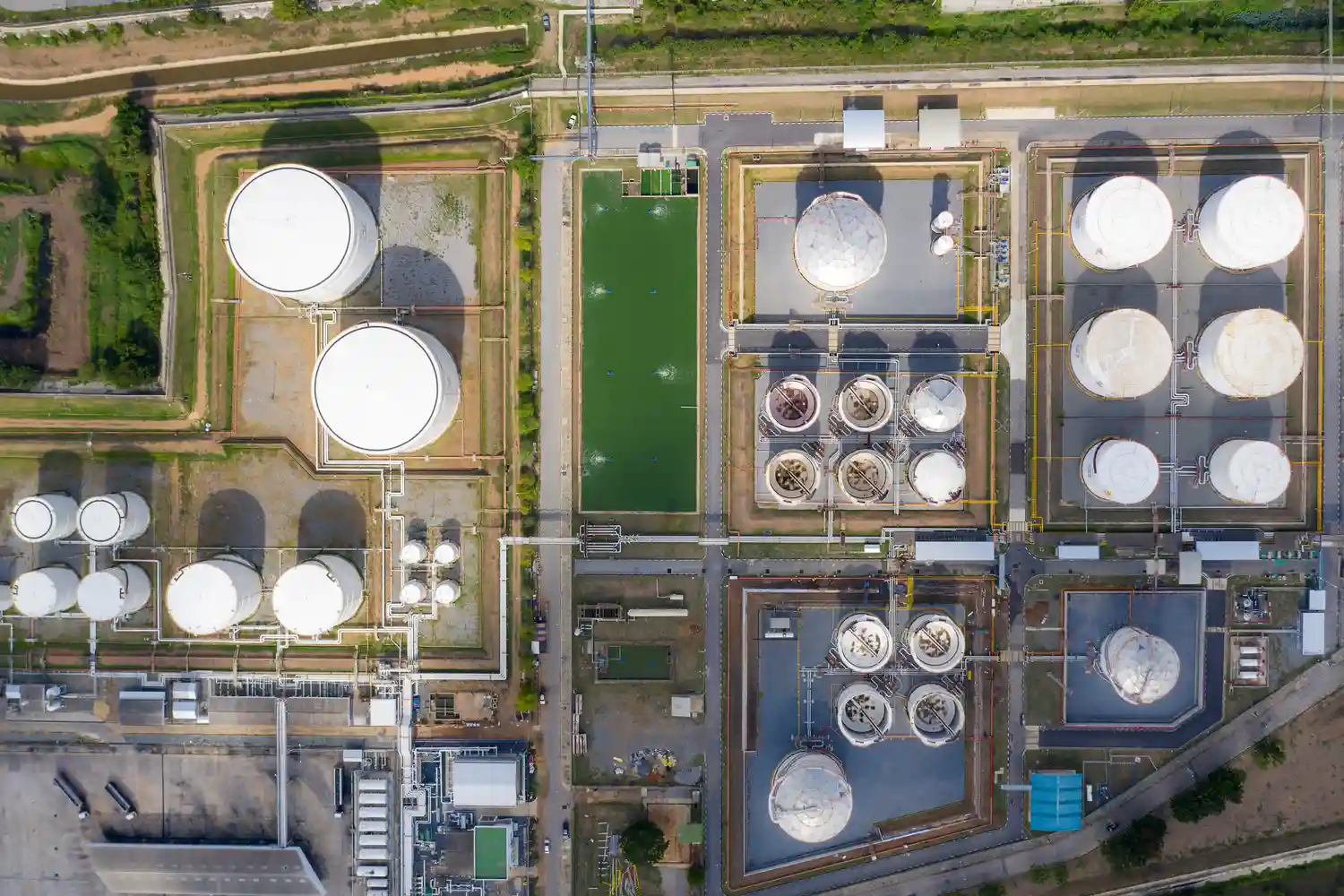
Man Entry Tank Cleaning
Man Entry Tank Cleaning is a specialist service delivered by LCM Environmental for situations where internal access to a tank is required to safely remove residues or contamination.
Overview
The service is typically considered when non-entry cleaning methods are unsuitable or insufficient.
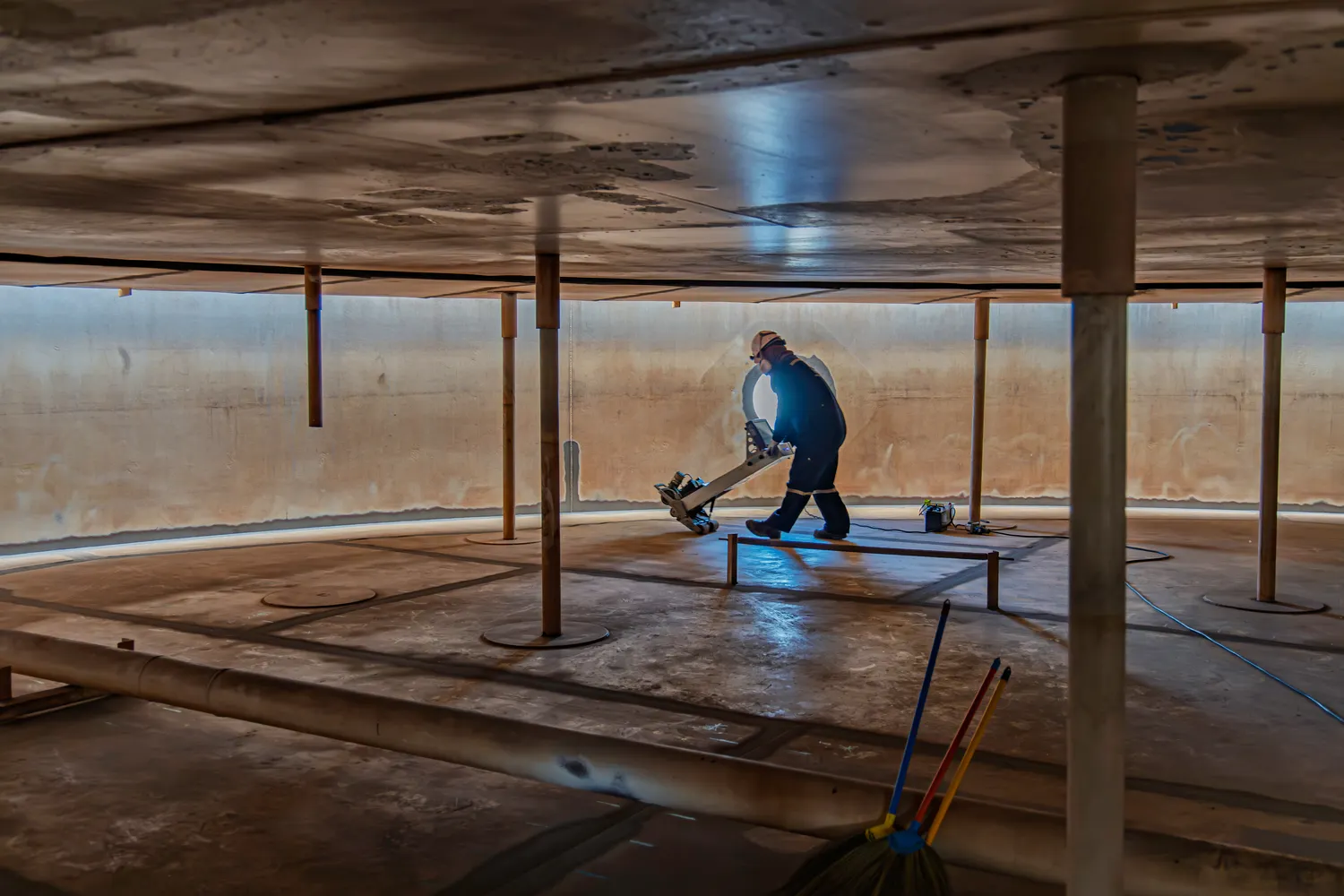
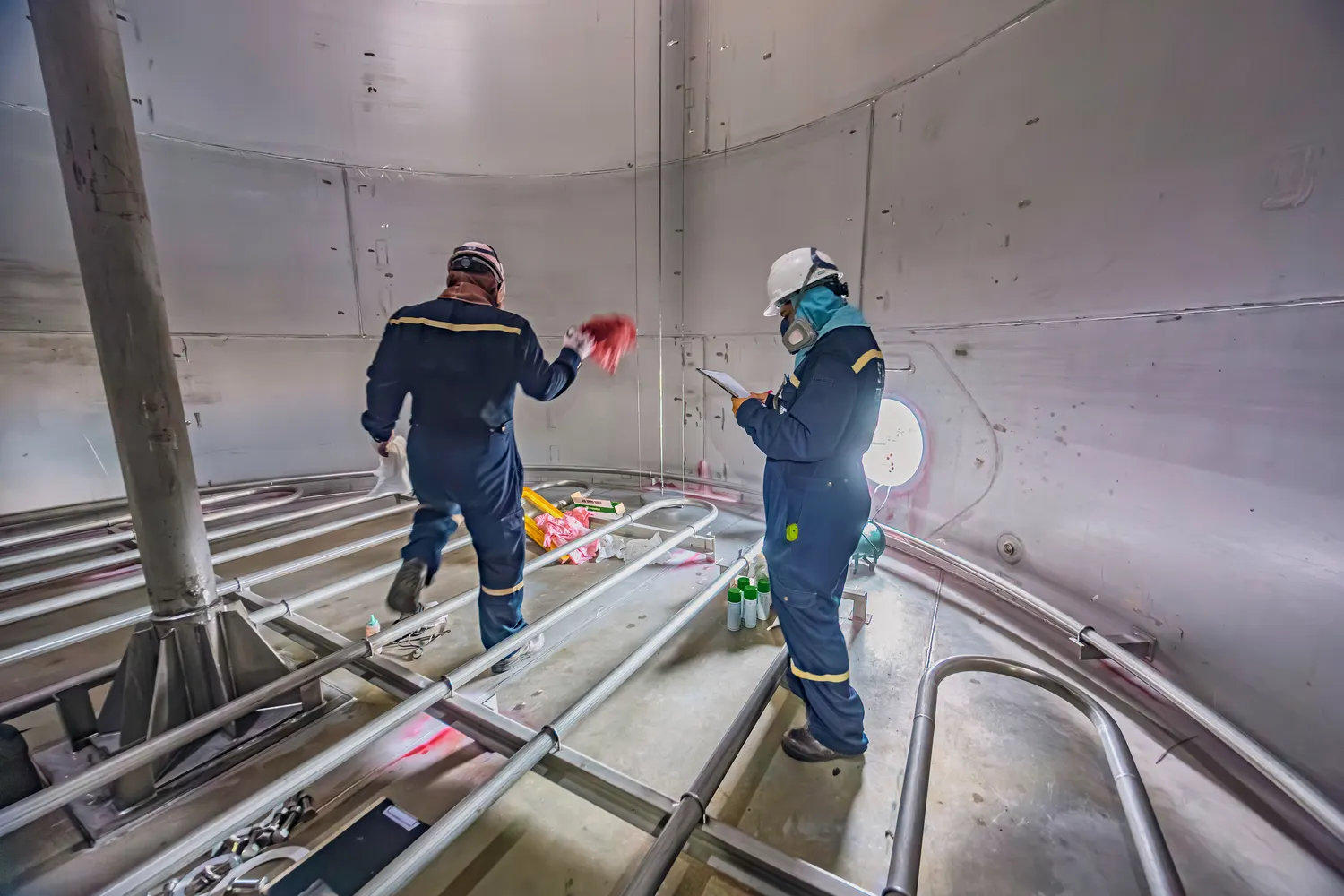
It involves trained operatives entering the tank under controlled conditions to carry out cleaning activities that support continued use, inspection, or onward works. These environments may include confined spaces, hazardous atmospheres, or tanks containing fuel residues or similar substances.
Man entry tank cleaning is not a predefined package. Each project is scope-led, with the final approach agreed once site information, tank condition, and operational constraints are understood. Methodology, sequencing, and controls are confirmed before works begin.
The service forms part of LCM’s wider fuel infrastructure capability and is delivered with a focus on risk control, documentation, and operational continuity.

Impact
Residual sludge, contamination, or degraded product within a tank can affect system reliability, maintenance planning, and future works. In some cases, these conditions cannot be adequately addressed without physical access to the tank interior.
Man entry cleaning allows issues to be dealt with directly, but it also introduces higher levels of risk if not properly controlled. Confined space entry, hazardous atmospheres, and residual fuels require careful planning and disciplined execution.
When undertaken as part of a structured, scope-led process, man entry tank cleaning can support safe return to service, enable inspections or modifications, and reduce uncertainty around asset condition. The emphasis is on managing risk proportionately while allowing essential works to proceed.

Initial scoping and information review
Available site details, tank history, and operational requirements are reviewed to confirm whether man entry is appropriate.

Method development and planning
A proposed methodology is developed, with controls defined to address access, atmosphere, residues, and waste handling.

Controlled tank entry and cleaning
Trained operatives enter the tank where required to remove sludge, residues, or contamination to an agreed condition.

Waste management and site reinstatement
Removed materials are managed through compliant routes, and the tank is left in a condition suitable for the next agreed stage of use or works.

Compliance, Standards & Governance
Man entry tank cleaning is undertaken using appropriate controls proportionate to the risks identified during scoping. Where required, permits, method statements, and supporting records are produced as part of delivery.
LCM operates established governance and safety systems to support work in confined and higher-risk environments. Requirements are confirmed on a project-by-project basis, taking account of site conditions and client expectations.
Planned vs Reactive Use
Planned use
Planned maintenance.
Preparatory works.
Ahead of inspection or modification.
Reactive use
Contamination issues.
Operational issues.
Related services


What happens next?
If man entry tank cleaning may be required, the next step is an initial discussion to understand the tank, site conditions, and intended outcome. From there, LCM can advise whether man entry is appropriate and outline a scope-led approach for review.