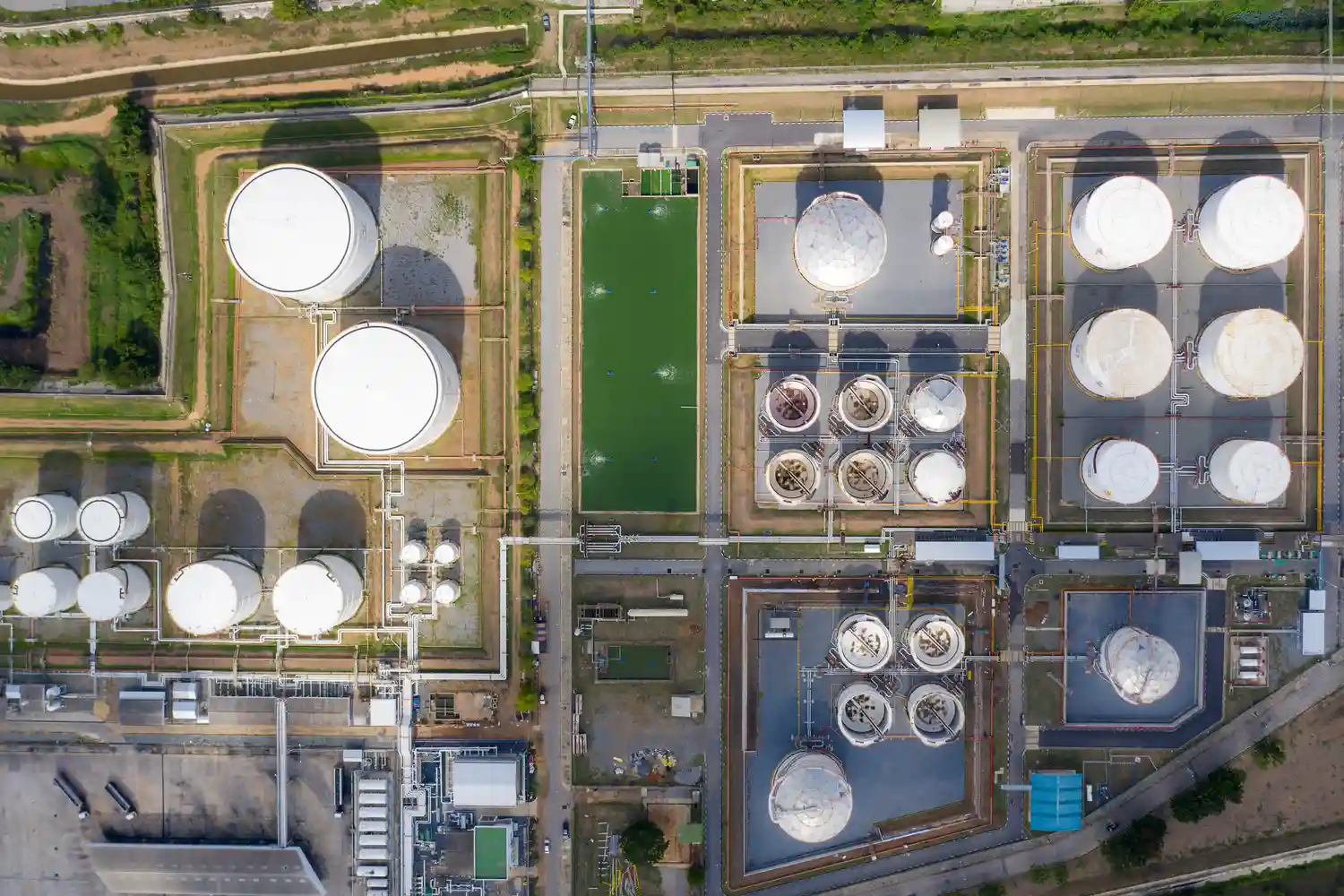
Non Man Entry Tank Cleaning
Non Man Entry Tank Cleaning refers to tank cleaning activities carried out without the need for personnel to physically enter the tank. The service is used where access avoidance is preferable due to confined space considerations, operational constraints, or site-specific risk profiles.


Overview
The primary objective is to support asset cleanliness and readiness while reducing the need for internal access.
By avoiding man entry where appropriate, the approach can help limit exposure to confined space hazards and reduce disruption to surrounding operations. The service is intentionally flexible, with the method and configuration determined at project level based on tank type, contents, condition, and site constraints.
Non man entry cleaning is not presented as a universal solution. In some cases, internal access may still be required to meet inspection or maintenance objectives. For this reason, feasibility is assessed on a case-by-case basis, ensuring the chosen approach aligns with operational requirements, risk controls, and intended outcomes.

Impact
Cleaning tanks without physical entry is often considered where organisations are seeking to reduce confined space exposure while maintaining control over asset condition.
In many environments, internal access introduces additional planning complexity, permit requirements, and operational downtime.
Non man entry tank cleaning can help support inspection readiness, maintenance planning, and contamination management, particularly where tanks remain in service or where access is restricted. It is also used where the condition of stored materials or residues presents additional handling considerations.
By taking a scope-led approach, the service can be aligned with wider operational objectives, such as planned maintenance programmes or preparatory works ahead of inspection, modification, or decommissioning. The emphasis remains on suitability rather than assumption, with decisions informed by site-specific factors.

Initial assessment and feasibility review
Understanding the tank, its contents, access points, and operational constraints.

Scope definition and approach selection
Determining whether a non-entry approach is appropriate and what outcomes are required.

Controlled cleaning and waste management
Managing residues and removed materials in line with project requirements.

Condition verification and handover
Confirming completion against the agreed scope and supporting next-stage activities where applicable.

Compliance, Standards & Governance
LCM operates with the appropriate controls and competencies for the works being undertaken.
Requirements related to safety, environmental protection, and documentation are determined at project level, reflecting the nature of the tank, site conditions, and client obligations.
Where applicable, documentation can be provided to support audit, inspection, or internal governance requirements. The extent and format of records are agreed as part of the project scope.

Typical Use Environments
Non man entry tank cleaning may be considered in a range of environments, including but not limited to:
• Above-ground storage tanks
• Below-ground tanks
• Fuel storage tanks
• Waste oil or hydrocarbon storage tanks
Suitability is assessed on a case-by-case basis, and inclusion here does not imply universal applicability.
Planned vs Reactive Use
Planned use
Routine maintenance.
Lifecycle care.
Preparation ahead of inspection or modification works.
Reactive use
Following contamination findings.
Operational issues.
Inspection outcomes requiring cleaning before further action.
Related services


What happens next?
Engagement typically begins with an initial discussion to understand the asset, site conditions, and intended outcomes. This is followed by a site and scope review to determine whether a non man entry approach is appropriate.