Tank Decommissioning
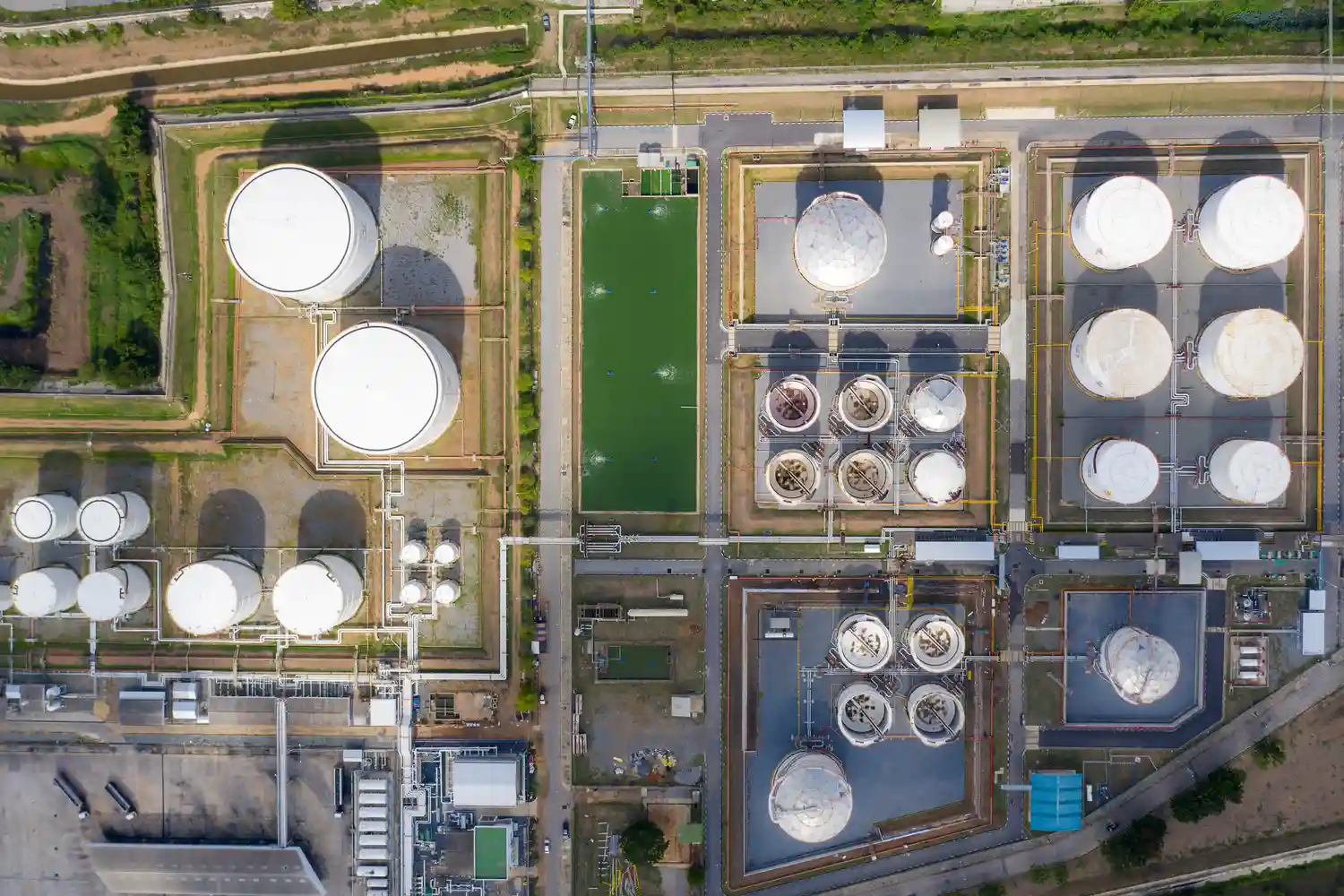
Tank decommissioning is the controlled process of taking storage tanks out of service in a way that helps reduce environmental, safety, and compliance risk. It is typically required where tanks are no longer operational, have reached end of life, or are no longer appropriate for a site’s current use or future plans.
Overview
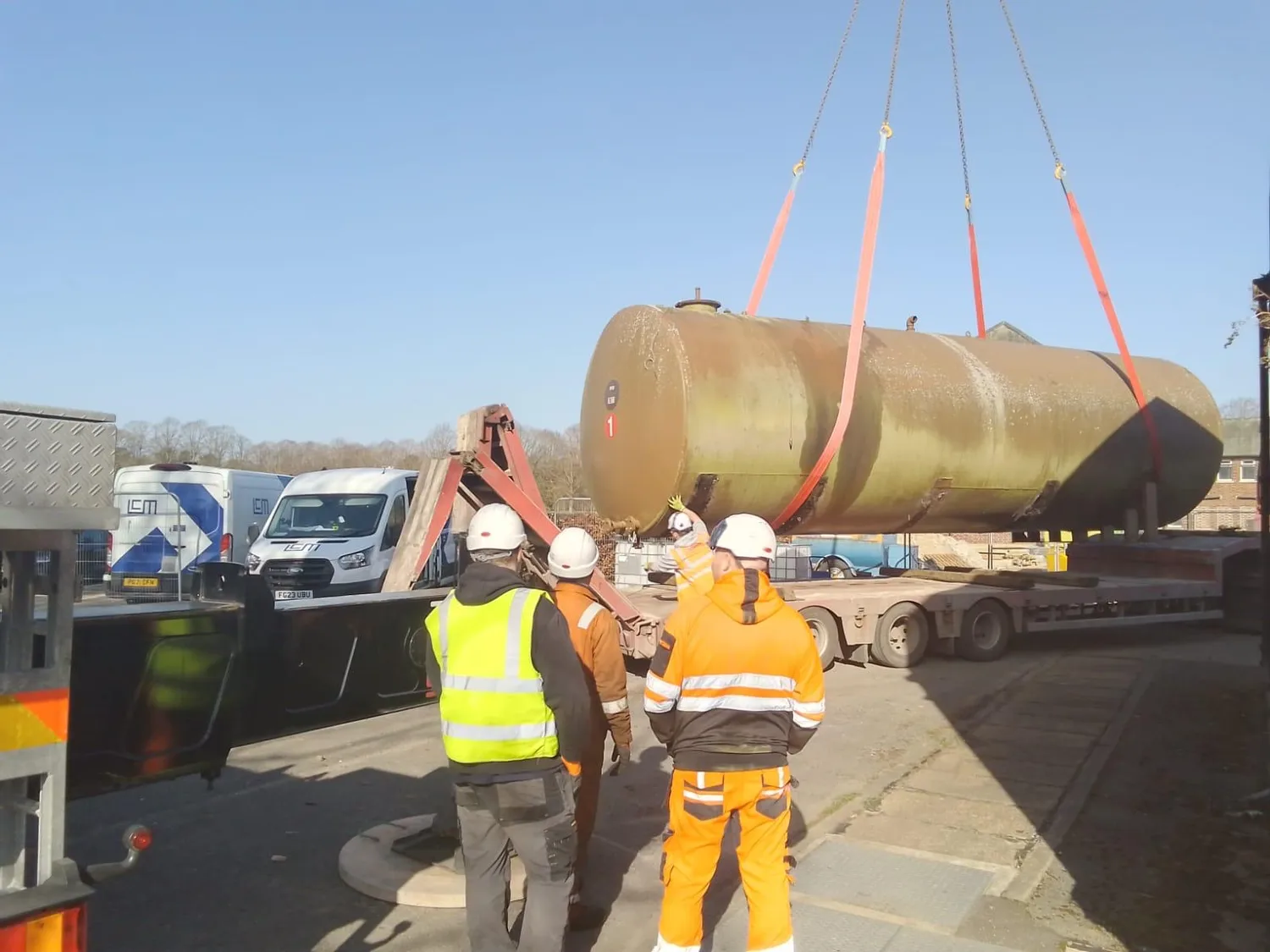
Decommissioning may apply to above-ground or below-ground tanks and, depending on site conditions, can also involve associated pipework, vents, fill points, or containment systems.
The objective is to leave the tank and surrounding area in a known, stable condition, with residual hazards managed and documented.
The approach taken depends on factors such as tank construction, previous contents, location, access constraints, and whether the tank is to be removed or left in situ. In many cases, decommissioning forms part of a wider change to site operations, redevelopment, or asset rationalisation. In others, it is a response to identified risk, failure, or regulatory concern.

Impact
Unused or poorly documented tanks can present ongoing risk long after they stop being used.
Residual liquids, vapours, or sludge may remain even when a tank appears empty, increasing the potential for leaks, contamination, or unsafe working conditions.
From a compliance perspective, legacy tanks can create uncertainty during audits, site transfers, or redevelopment. Incomplete records or unclear tank status may delay projects or trigger further investigation.
Operationally, redundant tanks can restrict access, complicate maintenance activities, or limit future site changes. Planned decommissioning allows these risks to be addressed in a controlled manner, rather than through reactive or unplanned intervention following an incident or failure.

Initial assessment
Review of available information to understand tank construction, contents, location, and associated risks.

Making the tank safe
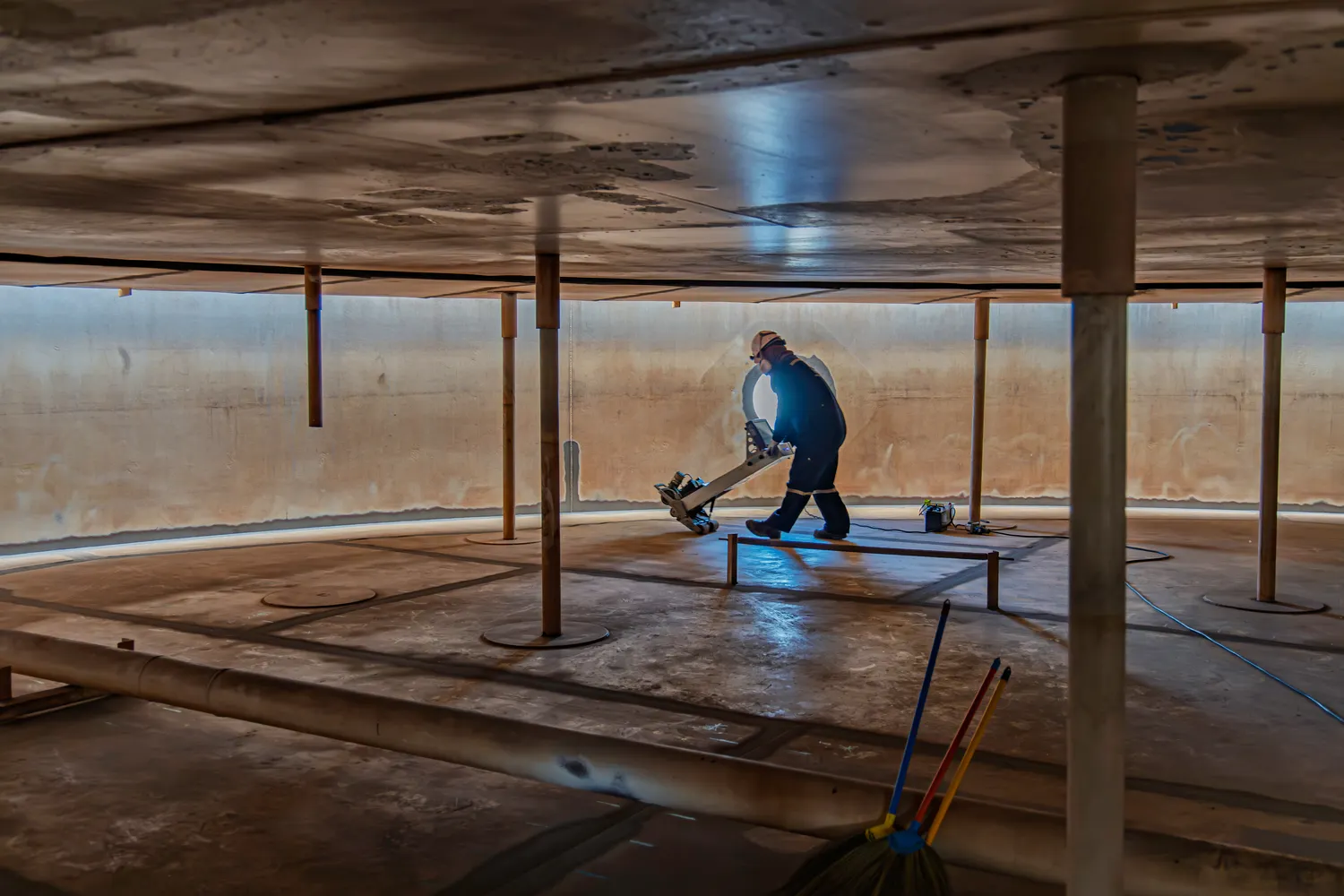
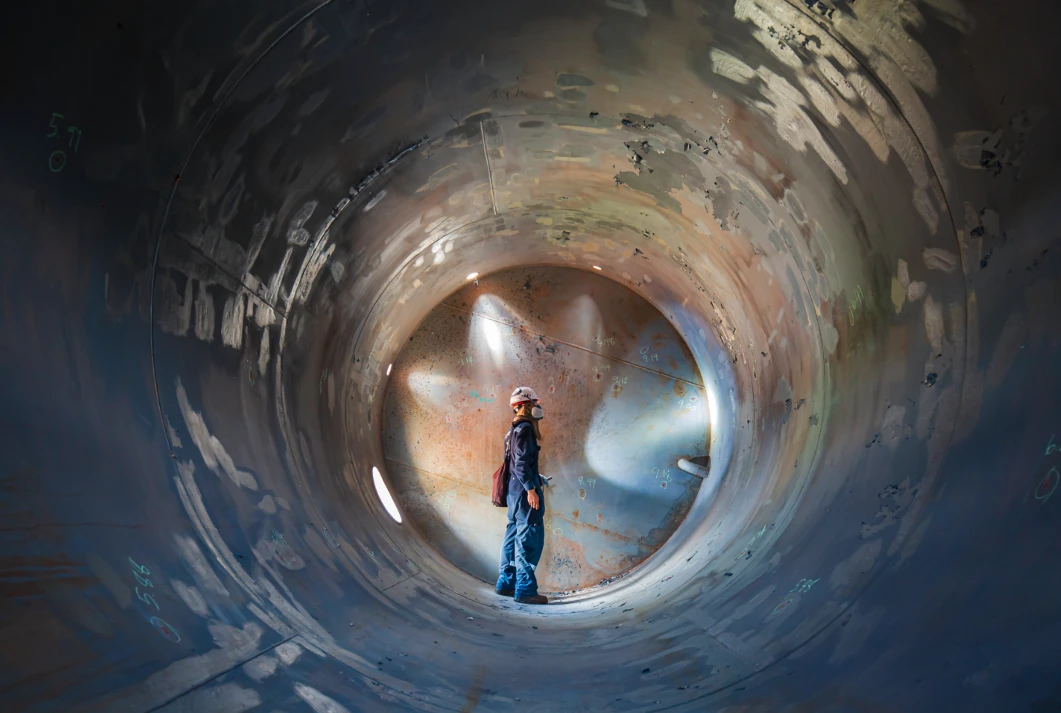
Isolation from services, removal of residual contents, and cleaning or degassing where required to manage vapours and confined space risks.

Decommissioning method
Tanks may be removed from site or decommissioned in situ, depending on feasibility, access, and future land use.

Waste handling and disposal
Residual fuels, sludge, washings, and redundant materials are managed through appropriate waste routes.

Verification and close-out
Checks and records to demonstrate that the tank no longer presents an active risk, subject to agreed scope.
Compliance, Standards & Governance
Depending on tank contents, location, and method of decommissioning, relevant UK guidance or legislation may include:
• Environment Agency guidance relating to storage tanks and waste management
• HSE guidance covering confined spaces and flammable or explosive atmospheres
• Duty of Care requirements for the handling and transfer of waste materials
The applicability of any guidance or legislation is site-specific. Decommissioning works are typically planned to align with relevant health, safety, and environmental controls where required, without assuming regulatory sign-off or certification.

Typical Use Environments
Tank decommissioning may be required in a range of settings, including:
• Commercial or industrial sites with legacy fuel or process tanks
• Infrastructure or utility locations undergoing asset change
• Redevelopment or refurbishment projects where tanks are no longer needed
• Operational sites managing ageing or redundant storage assets
Each environment presents different access, safety, and programme considerations.
Planned vs Reactive Use
Planned use
Asset lifecycle management.
Site upgrades.
Site redevelopment.
Reactive use
Following tank failure.
Contamination concerns.
Regulatory scrutiny.
Related services


What happens next?
Enquiries typically begin with an initial discussion to understand the tank’s location, construction, contents, and current status. Where required, a site visit or assessment may be carried out to confirm access, risks, and constraints. Based on this information, an appropriate decommissioning approach is identified, taking account of safety, environmental, and operational considerations.