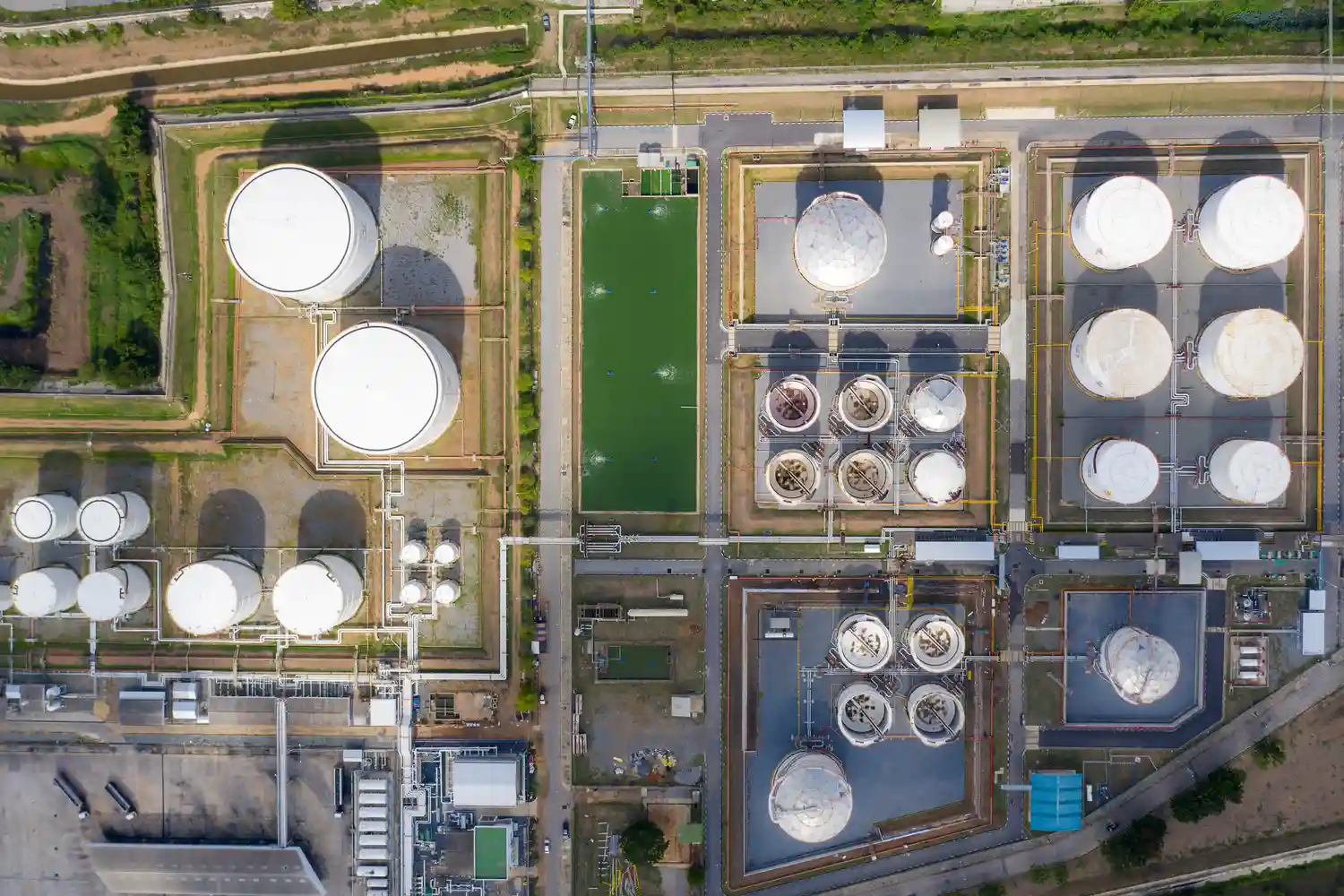
Petroleum Forecourt Installation
Petroleum Forecourt Installation is a UK-delivered service supporting the installation, refurbishment or upgrade, and decommissioning or replacement of petroleum dispensing infrastructure on forecourt sites. The service is designed to support controlled delivery in environments where safety, environmental protection, and operational continuity are critical.


Overview
Delivery may be provided as end-to-end project management or as managed works packages, depending on client requirements and governance models. This can include coordination of multiple disciplines, sequencing of works, and alignment with site-specific standards, particularly where works are undertaken on live or partially operational forecourts.
The service focuses on clear scope definition, controlled execution, and safe handback. Particular emphasis is placed on working within regulated environments, managing interfaces with existing assets, and supporting client-led compliance obligations. Scope, responsibilities, and delivery roles are defined on a project-by-project basis, reflecting whether the works relate to new build, refurbishment, replacement, or decommissioning activities.
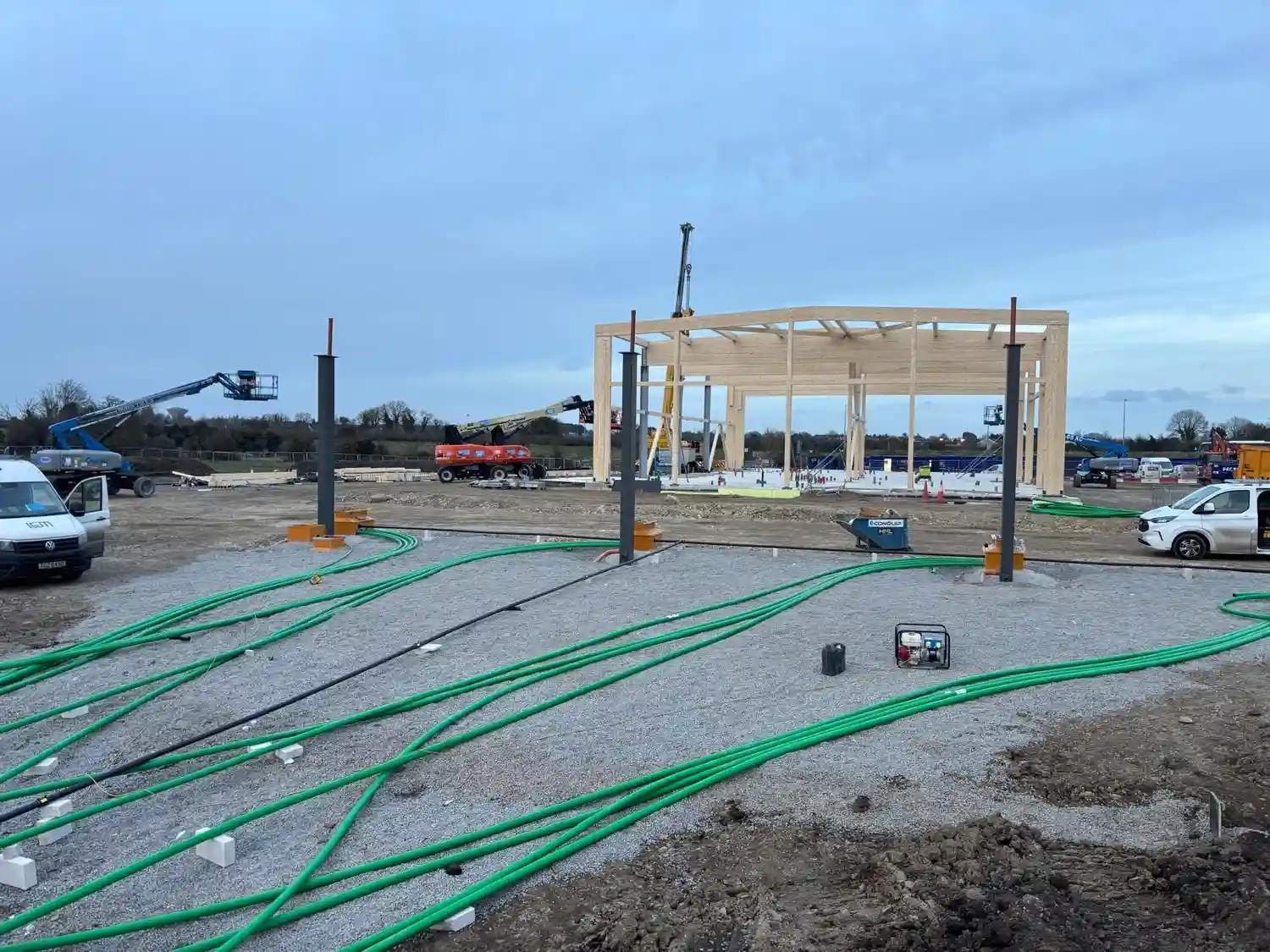
Why This Service Matters
Petroleum forecourt installation projects present a combination of operational, environmental, and regulatory challenges that require specialist planning and delivery. Many sites remain operational during works, requiring careful sequencing to minimise disruption while maintaining safety for site users and staff.
The presence of hazardous substances introduces pollution and safety considerations that must be managed through controlled methods of work and appropriate governance. Interfaces between civils, mechanical, electrical, and control systems also require close coordination to avoid rework, delays, or unintended impacts on existing infrastructure.
In addition, petroleum sites typically involve multiple stakeholders, including site operators, landlords, insurers, and local authorities. Clear documentation, evidence-led handover, and traceable decision-making support audit readiness and provide confidence that works have been delivered in line with agreed requirements.

Scope and design
Early-stage scoping, surveys, and site assessment, followed by design coordination and project management, where required

Planning
Alignment with planning, permits, and client governance processes

Enablement
Enabling and sequencing works on live or constrained sites

Civils
Civils and groundworks associated with forecourt infrastructure

Installation
Installation, replacement, or modification of tanks, pipework, and associated systems

Electrics
Electrical and control system integration, including hazardous-area considerations where applicable

Systems, testing, and removal
Integration of monitoring, alarms, and leak detection systems, testing, commissioning, and controlled handback, decommissioning or removal of redundant assets

Compliance, Standards & Governance
Compliance requirements are client- and site-led. Works are commonly delivered in alignment with applicable UK health, safety, and environmental legislation, hazardous-area requirements where relevant, and client, insurer, or local authority standards.
Roles and responsibilities under the Construction (Design and Management) Regulations 2015 are defined per project. LCM supports delivery in accordance with the agreed governance framework but does not assume statutory roles unless explicitly appointed.
All compliance alignment is confirmed at project outset and reflected in scope, method statements, and handover requirements.

Evidence, Testing & Handover
Installation and refurbishment works typically generate project-specific records, testing results, and handover information. The exact content of handover packs is defined by client requirements and project scope.
Documentation may include test results, commissioning records, as-built information, and photographic evidence, where required. These records support audit readiness and provide a controlled basis for safe handback and onward operation.
Planned vs Reactive Works
Planned works
Petroleum Forecourt Installation services may support planned projects such as new builds, refurbishments, or phased upgrades aligned to site strategy. They may also support asset replacement or decommissioning where driven by condition, compliance requirements, or changes in site use.
Reactive works
The service is focused on defined project works rather than emergency response, unless explicitly scoped and agreed.
Related services

What happens next?
The next step is an initial discussion to understand the site, proposed scope, and operational constraints. This is followed by a review of client standards, delivery model, and governance requirements. Where appropriate, surveys, programme assumptions, and roles are agreed before any works are undertaken.