Terminal Installations
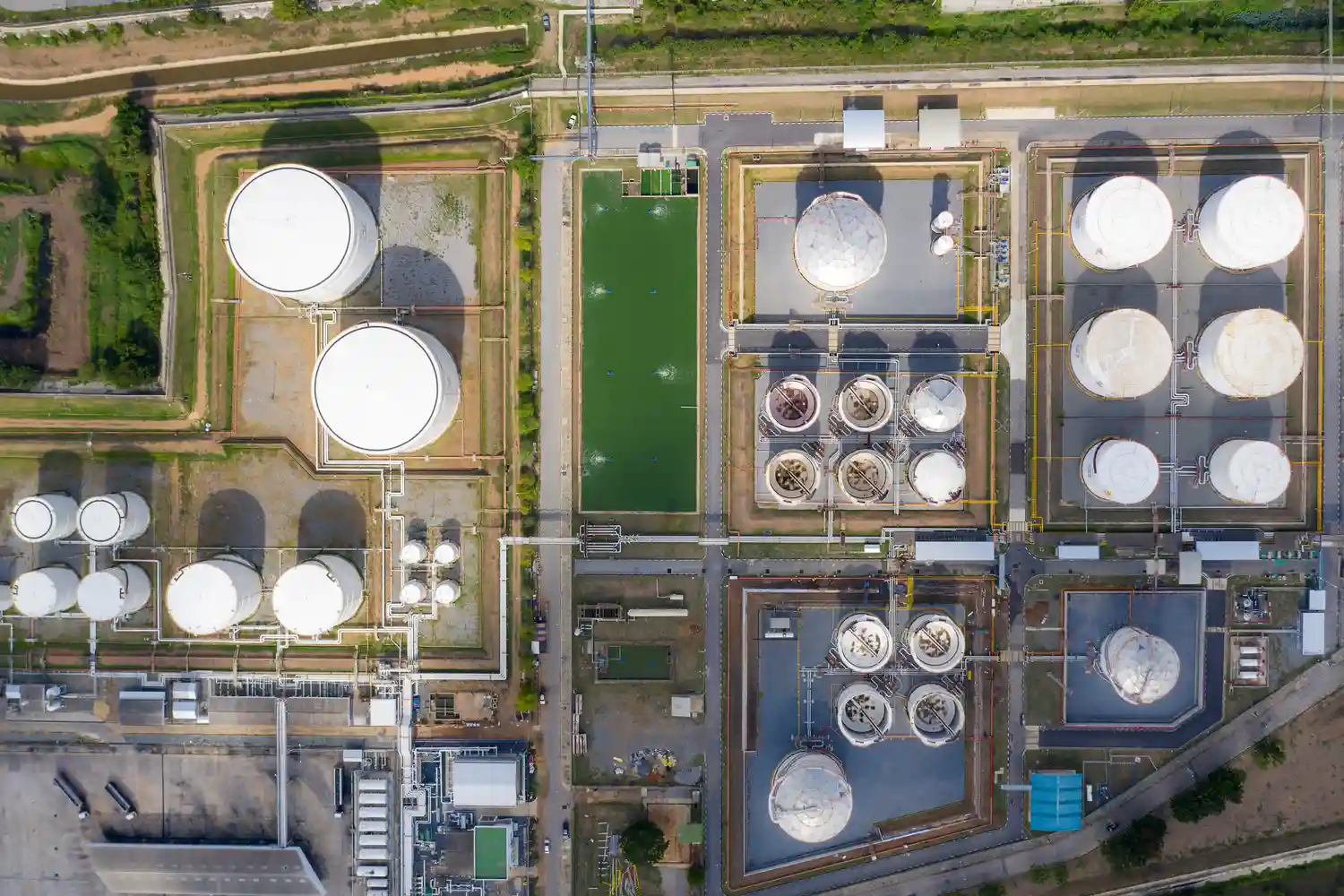
Terminal Installations is a UK-wide service covering the installation of fuel terminal infrastructure, delivered on a project basis as full works. The service typically supports the installation, upgrade, or replacement of fuel storage tanks, fuel pipework, and associated infrastructure within controlled terminal environments.


Overview
Each installation is planned around site conditions, operational constraints, fuel types, and client governance requirements. Works are scoped to support safety, regulatory compliance, and continuity of operations, recognising that many terminals operate within live or safety-critical environments.
Delivery approach, sequencing, and scope are confirmed during early-stage planning. Full works refers to end-to-end project delivery from definition through to handover, with specialist disciplines and subcontractors engaged where required. In many cases, works are phased to minimise disruption and to align with shutdown windows or client-led operating procedures.
This service is typically used where infrastructure condition, capacity, or compliance requirements necessitate structured replacement or upgrade rather than reactive repair.

Why This Service Matters
Fuel terminals operate within safety-critical and environmentally sensitive settings. Installation works introduce potential risks, including loss of containment, disruption to operations, and interface issues with existing systems.
Uncontrolled or poorly planned installation activity can lead to extended downtime, rework, or increased compliance scrutiny. In contrast, a structured installation process helps manage risk, supports audit readiness, and provides clarity for site operators and governance teams.
Where terminals remain operational during works, careful sequencing and communication are essential. Terminal Installations focuses on controlled delivery, clear scope boundaries, and coordination with client teams to reduce uncertainty and protect ongoing operations.

Scope definition and surveys
Review of site conditions, existing assets, access constraints, and client requirements.

Planning and risk management
Development of installation methodology, risk assessments, and work sequencing aligned with site governance.

Installation works
Installation of tanks, pipework, and associated infrastructure, where specified and approved.

Testing and commissioning
Testing or commissioning activities may be undertaken where required by the project scope or client specification.

Handover and close-out
Structured handover with documentation appropriate to the works completed and site requirements.
Compliance, Standards & Governance
Terminal Installations are delivered in line with applicable UK legislation and site-specific governance, where relevant. This may include alignment with:
• Health and Safety Executive guidance
• Dangerous substances and petroleum storage controls
• COMAH or DSEAR requirements, where applicable to site classification
• Client-defined engineering, safety, or sector standards
Compliance obligations, approvals, and documentation are confirmed on a project-by-project basis. No single regulatory framework applies universally to all terminal installations.

Typical Use Environments
This service is typically applied across a range of regulated and industrial fuel storage and distribution environments, including:
• Fuel terminals and bulk storage facilities
• Distribution and logistics sites with on-site fuel infrastructure
• Industrial facilities with dedicated fuel storage systems
Use environments are confirmed during early engagement and may be influenced by fuel type, throughput, and site classification.
Planned vs Reactive Works
Planned works
Terminal Installations are most commonly delivered as planned works. This allows sufficient time for surveys, stakeholder coordination, and controlled execution.
Reactive works
In some cases, installations may be required following asset failure or regulatory intervention. Where works are reactive, scope and sequencing are reviewed carefully to ensure safety and governance requirements are maintained despite time pressures.
Related services

What happens next?
Initial discussions focus on understanding the site, objectives, and constraints. From this, a defined scope and delivery approach can be developed. Engagement typically begins with a review of existing infrastructure and client governance requirements, followed by planning and scheduling aligned to operational needs.