Bulk Tank Supply and Installation
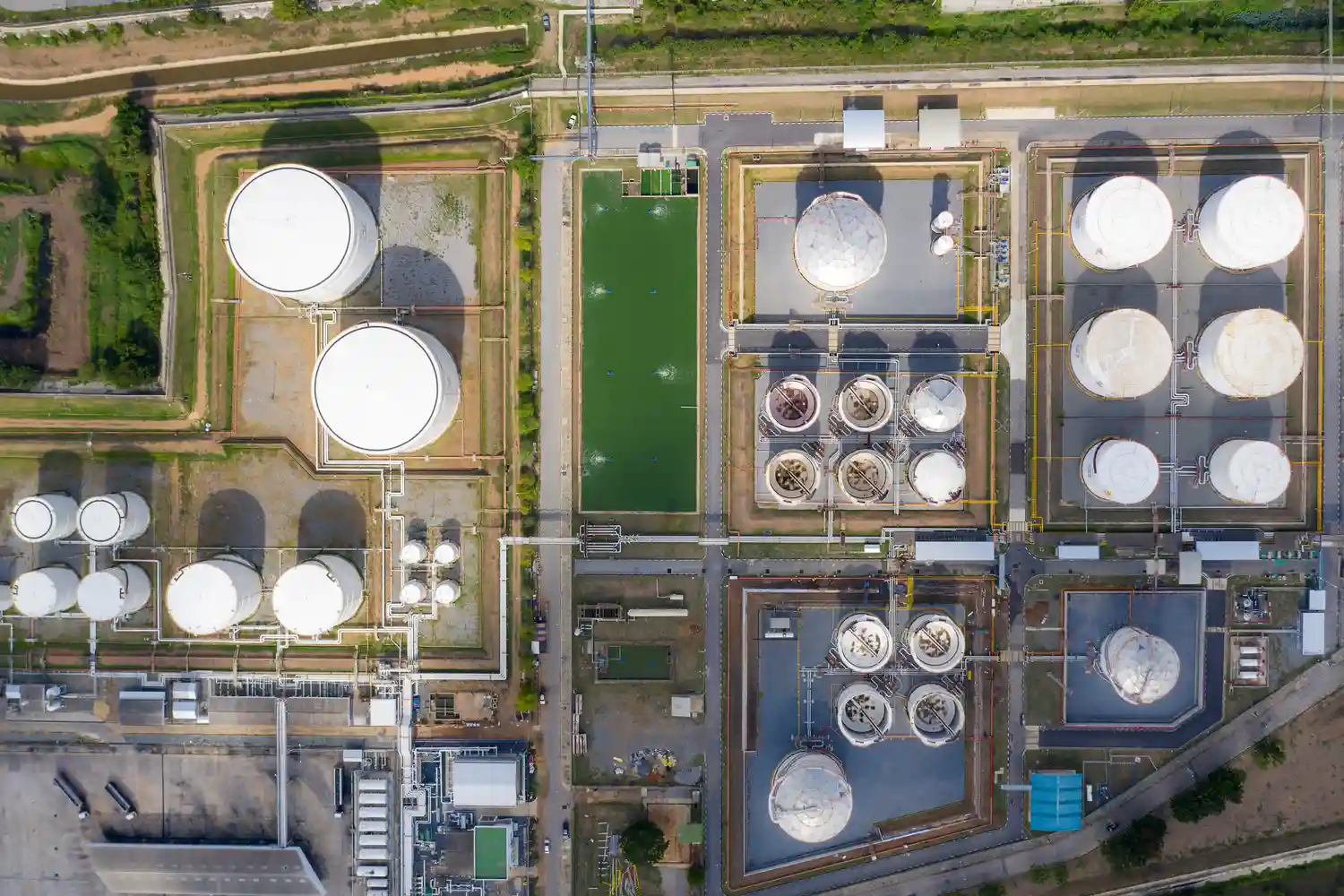
LCM Environmental provides a UK-wide service to specify, supply, deliver and install bulk storage tanks on operational sites. This includes support for above-ground and below-ground tank installations, with associated installation works provided where required.


Overview
The service is typically used where existing tanks are approaching end of life, no longer suitable for current use, or where additional storage capacity or resilience is needed.
Modern tank systems can also support improved environmental protection through updated containment, monitoring, and control measures, where appropriate to the site and stored liquid.
Bulk tank supply and installation can be undertaken as part of a planned replacement programme or in response to emerging risks identified through inspection, testing, or operational concerns. The suitability of either approach depends on site conditions, criticality, and risk profile.
The exact scope of works, interfaces with existing infrastructure, and applicable compliance requirements are confirmed during site assessment and project scoping. No assumptions are made about tank contents, ancillary systems, or regulatory obligations without site-specific review.

The impact
Bulk storage tanks are often critical assets supporting day-to-day operations, standby systems, or essential services. Ageing, undersized, or poorly configured tanks can increase the risk of leaks, supply interruptions, or environmental incidents.
Where tanks are no longer aligned with current operational needs, there may be impacts on resilience, maintenance burden, and compliance confidence. In some cases, inspection findings or changes in site use prompt the need for replacement or capacity review.
A structured approach to bulk tank supply and installation helps organisations manage these risks in a controlled way. By confirming requirements early and aligning design, installation, and handover to the site context, disruption can be reduced and long-term asset performance improved. The focus is on supporting operational continuity and environmental responsibility rather than short-term fixes.

Survey and requirements
Including capacity needs, stored product, access, and constraints.

Tank selection
Engineering input to inform tank selection and specification

Tank supply
Tank supply, logistics planning, and delivery coordination

Enabling works
Such as access preparation, isolations, or continuity measures

Installation
Of new tank systems, either above or below ground as applicable

Testing
Testing, checks, and commissioning appropriate to the agreed scope

Handover
Handover of relevant documentation for the installed system

Compliance, Standards & Governance
Bulk tank installations are designed to support environmentally responsible storage and operation. Project scoping is informed by relevant UK oil storage and environmental protection guidance where applicable to the liquid and site.
Regulatory and governance requirements vary across England, Wales, Scotland, and Northern Ireland, and can also differ based on site location, tank type, and stored substance. LCM Environmental confirms applicable requirements during project scoping rather than applying a single generic standard.
This approach helps ensure that design and installation decisions are proportionate, defensible, and aligned with client governance arrangements and audit expectations.

Typical Use Environments
Bulk tank supply and installation commonly includes work on:
• Healthcare and critical infrastructure sites
• Commercial and industrial estates
• Sites with standby power generation or critical heating systems
These examples are not exhaustive. Suitability is determined by site-specific operational needs and constraints.
Planned vs Reactive Use
Planned use
Asset replacement programmes.
Capacity upgrades
Reactive use
Replacement following inspection findings.
Failure risks.
Environmental concerns.
Related services


What happens next?
The next step is an initial discussion to understand the site context and drivers for change. This is typically followed by a site survey to confirm scope, interfaces, and compliance considerations. Based on this information, LCM Environmental develops a proposal aligned to site requirements, operational priorities, and governance needs, providing a clear basis for decision-making.