Fuel Tank Inspections
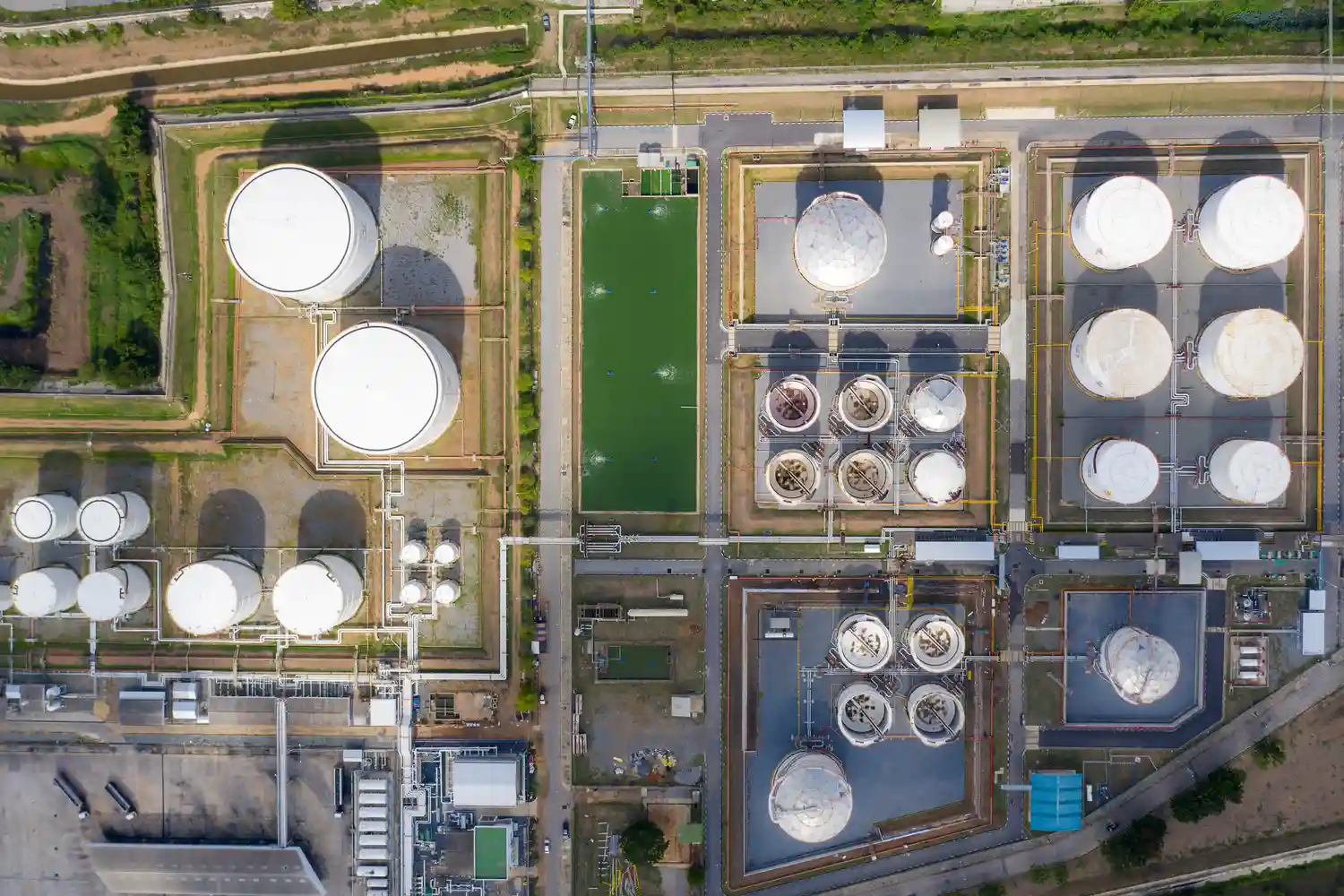
Fuel tank inspection for commercial and industrial sites, supporting tank condition assessment, asset integrity, environmental risk control and planned maintenance decisions.


Commercial Fuel Tank Inspection Overview
LCM provides fuel tank inspection services for commercial and industrial sites that need clearer information about tank condition, asset integrity and operational risk.
A fuel tank inspection can support maintenance planning, compliance-related review, insurance readiness and decisions around cleaning, repair, testing or replacement. The scope depends on the tank type, fuel type, site use, access conditions and the reason for inspection.
The service is broader than tank thickness testing alone. Thickness testing may form part of an inspection where required, but fuel tank inspection can also consider visible condition, surrounding infrastructure, containment, fittings and signs of deterioration.
LCM’s approach is designed to help site teams understand the current condition of their fuel storage assets and decide what action is required next.
Impact
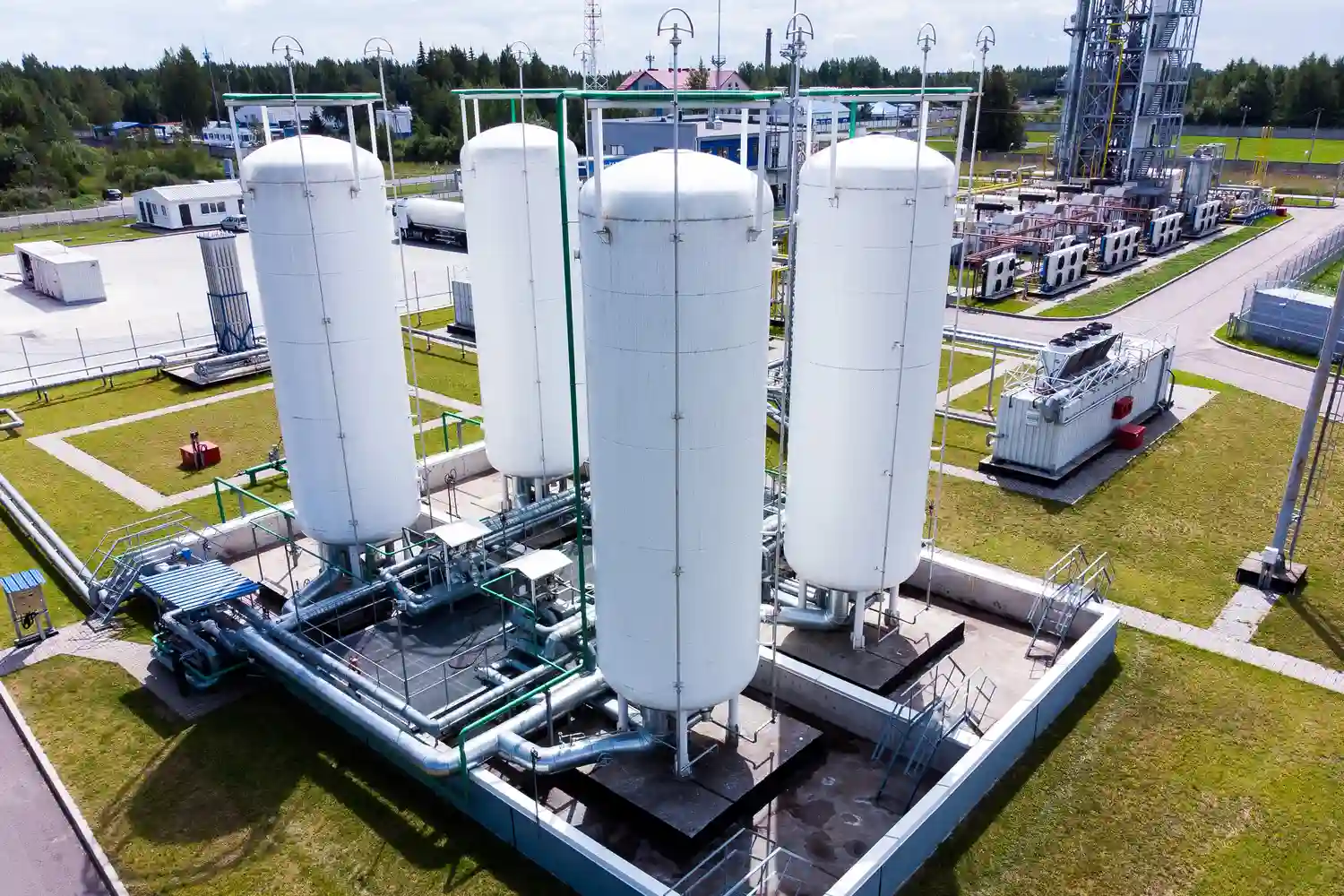
Fuel tanks often support critical operations, standby power, site refuelling and wider infrastructure resilience.
If tank condition is unclear, site teams may have limited evidence for maintenance planning, audit preparation, insurer queries or lifecycle decisions. Visible corrosion, impact damage, settlement, poor containment or suspected leaks can also create operational and environmental concerns if they are not investigated.
A structured fuel tank inspection can help identify early signs of deterioration before they become more difficult to manage. It can also support decisions about fuel quality, tank cleaning, repair works, leak testing, decommissioning or replacement.
For estates, facilities, HSE and operations teams, inspection provides a practical evidence base. It helps teams understand what is visible, what may need further testing and what should be prioritised within planned maintenance.

Scope confirmation
LCM confirms the inspection requirement, tank type, fuel type, access arrangements and reason for inspection. This may include planned maintenance, suspected corrosion, fuel system concerns, insurer queries, audit preparation, lifecycle review or incident follow-up.

Pre-inspection review
Where information is available, previous inspection records, maintenance history, drawings, fuel quality results and known defects may be reviewed. This helps place the inspection in context and supports a more targeted site assessment.

External tank condition inspection
Where required, the inspection can consider the surrounding area, tank base, supports, bund condition, drainage risk, impact protection and evidence of fuel escape or water ingress. This is important where fuel storage assets sit close to drainage systems, traffic routes, sensitive areas or operational plant.

Containment and surrounding area review
Waste classification, removal, and transfer via appropriate routes, with completion of required waste documentation.

Internal inspection or specialist testing
Some tanks may require further inspection beyond external visual checks. Where required, this may include internal inspection, tank thickness testing, leak testing, fuel sampling, water checks, confined space planning or other specialist methods. These are scope-dependent and should be confirmed before work begins.

Findings and recommendations
LCM provides findings based on the agreed inspection scope. Where required, this can support recommendations for further testing, cleaning, repair, coating, bund works, fuel treatment, decommissioning or replacement planning.

Compliance, Standards & Governance
Fuel tank inspection can support compliance-related decision-making, but the applicable requirements depend on the site and asset.
Where applicable, inspection findings may help inform reviews linked to oil storage controls, DSEAR considerations, environmental protection, fire and explosion risk management, confined space planning, waste handling, containment condition and maintenance governance.
LCM does not assume one inspection standard applies to every tank. The correct basis depends on factors such as tank type, fuel type, above-ground or underground status, operational use, age, condition and client governance requirements.
Documentation and reporting should be agreed at scope stage. Where required, inspection evidence can support audit files, insurer discussions, maintenance planning and future asset decisions.

Typical Use Environments
LCM supports fuel tank inspection requirements across commercial, industrial and operational environments.
Typical settings include:
- Facilities and estates sites
- Commercial premises
- Industrial facilities
- Critical infrastructure
- Data centres
- Healthcare estates
- Logistics and transport depots
- Utilities sites
- Manufacturing environments
- Public sector estates
- Sites with standby generators
- Sites with bulk fuel storage
Each environment brings different constraints. These may include restricted access, live operations, shutdown windows, fuel system interfaces, drainage risks, environmental sensitivity and permit-controlled work areas.
Planned vs Reactive Use
Planned use
Planned inspections can support preventative maintenance, lifecycle reviews, pre-audit checks, pre-cleaning assessment, repair planning, upgrade works or replacement decisions.
Reactive use
Reactive inspections may be needed where there is suspected leakage, visible corrosion, impact damage, unexplained fuel loss, fuel smell, tank settlement, poor fuel quality results or concerns raised by insurers or site teams.


What happens next?
If bund cleaning may be required at your site, the next step is an initial discussion to confirm the bund type, contents, access, and operating constraints. From there, a site-appropriate scope can be defined before any mobilisation is agreed. This approach is intended to support informed decision-making and controlled delivery, without assumptions about condition or regulatory status.