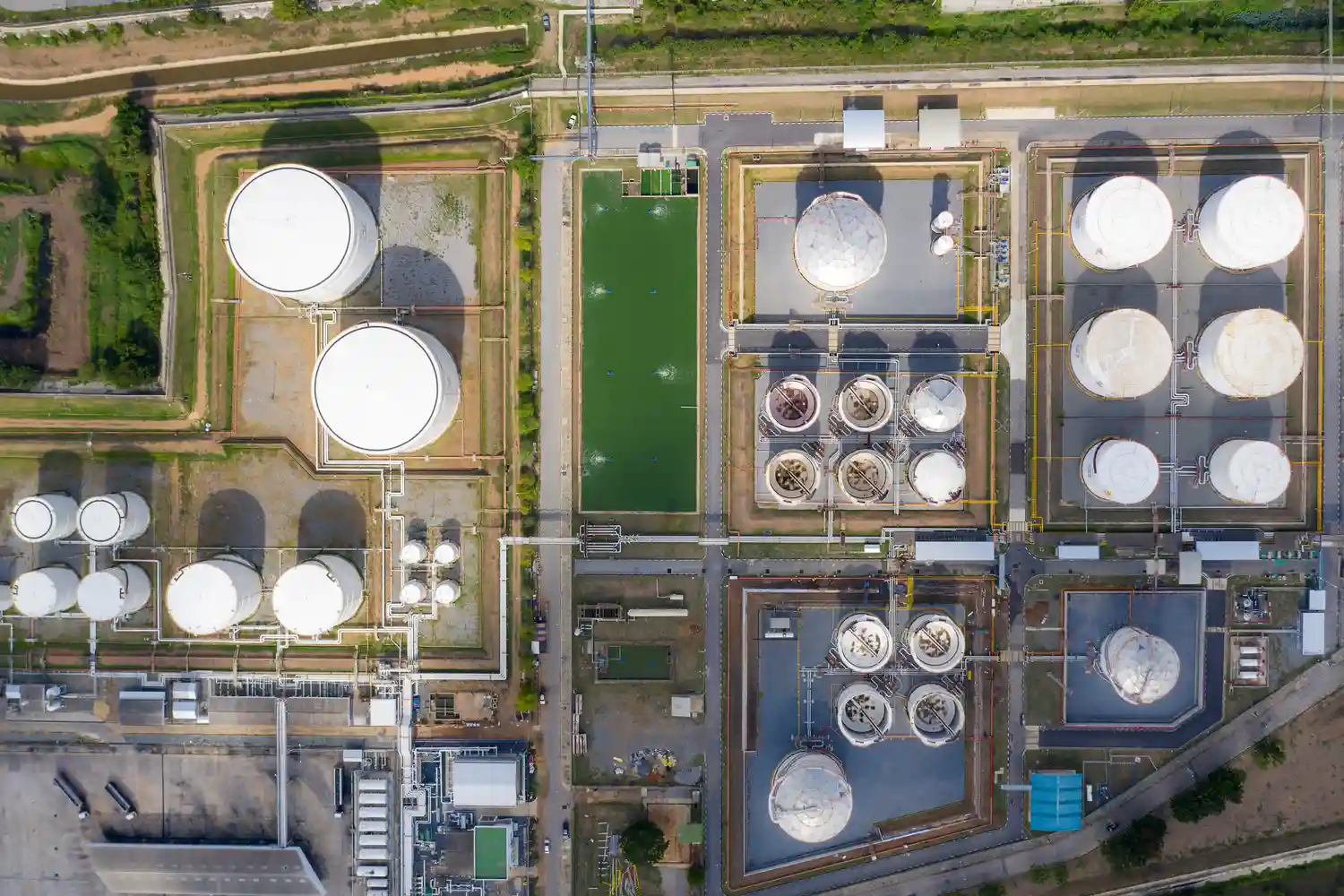
Tank & Pipework Installation
Tank & Pipework Installations support the safe storage and controlled transfer of fuels within operational fuel infrastructure environments. The service covers the installation of storage tanks and associated fuel pipework systems, delivered as part of planned upgrades, replacements, or new infrastructure projects.


Overview
Works may include site assessment, installation, testing, commissioning, and handover, depending on the agreed scope. Design responsibility can either sit with LCM Environmental, where appointed, or be undertaken to client-approved designs. This flexibility allows installations to align with existing governance models and project controls.
The service is typically used where tanks or pipework have reached end of life, where capacity or configuration needs to change, or where system integrity must be restored to support ongoing operations. Delivery is planned to fit operational constraints, recognising the importance of continuity for fuel-dependent systems such as standby power or critical plant.
The overall intent is to support compliant, well-documented fuel infrastructure that remains reliable and fit for purpose over its operational life.

Why this service matters
Fuel tanks and pipework form the backbone of many critical systems. Over time, ageing assets, undocumented modifications, or changes in site use can introduce integrity and compliance risks.
Unplanned failures or poorly controlled installations can affect fuel quality, system reliability, and environmental protection measures. They may also complicate audits or increase exposure during regulatory review.
Planned tank and pipework installations allow these risks to be addressed in a controlled way. By surveying existing arrangements, defining scope clearly, and documenting works properly, organisations can maintain operational confidence while meeting their governance obligations. In many cases, this approach supports smoother audits, clearer asset records, and fewer disruptions to day-to-day operations.

Site assessment and survey
Review of existing assets, layout, access, and operational constraints to inform scope and planning.

Installation works
Installation of above-ground fuel storage tanks and associated pipework, undertaken to the agreed project specification and site requirements.

Testing and commissioning
Where included, systems are checked and commissioned to confirm they operate as intended before handover.

Documentation and handover
Provision of installation records and supporting information where required, to aid future operation, maintenance, and compliance.

Conditional activities
System design, enabling works or civils, and modifications to existing systems.

Compliance, Standards & Governance
Works are delivered in line with applicable UK legislation, site rules, and client requirements. Regulatory controls are applied where relevant to the substances handled, the environment, and the classification of the site.
Depending on the project and location, this may include consideration of:
• DSEAR environments
• Oil storage regulatory requirements
• COMAH governance on relevant sites
No single framework is assumed to apply universally. Compliance obligations are reviewed on a site-by-site basis and reflected in the agreed scope and method of delivery.

Typical Use Environments
This service is typically delivered within:
• UK fuel storage and distribution sites
• Operational environments where fuel storage supports critical systems, such as standby generation
The service is positioned specifically for fuel infrastructure and does not extend to broader chemical processing installations.
Planned vs Reactive Use
Planned use
Scheduled replacements
System upgrades
Infrastructure changes
Reactive use
This service is not positioned as a reactive or emergency response offering.
Related services


What happens next?
Projects typically progress through and initial discussion and scope clarification following onto a site assessment, agreement of design responsibility and installation scope. This staged approach helps ensure clarity, control, and alignment before works begin.