DSEAR Reporting
DSEAR Reporting is a professional advisory service that supports organisations in documenting and evidencing the assessment of risks arising from dangerous substances that may create fire or explosion hazards. The service is aligned with the UK Dangerous Substances and Explosive Atmospheres Regulations (DSEAR) and is intended to support compliance, governance, and risk management activities.


Overview
The focus of DSEAR Reporting is on structured assessment and clear written reporting. It is designed to help organisations demonstrate that relevant hazards have been identified, risks have been considered, and existing control measures have been reviewed in a systematic way.
LCM Environmental’s role is advisory. We support clients by gathering information, reviewing site conditions, and preparing written documentation that may assist with internal assurance, audits, or external stakeholder requirements. Responsibility for compliance decisions and implementation of controls remains with the duty-holder.
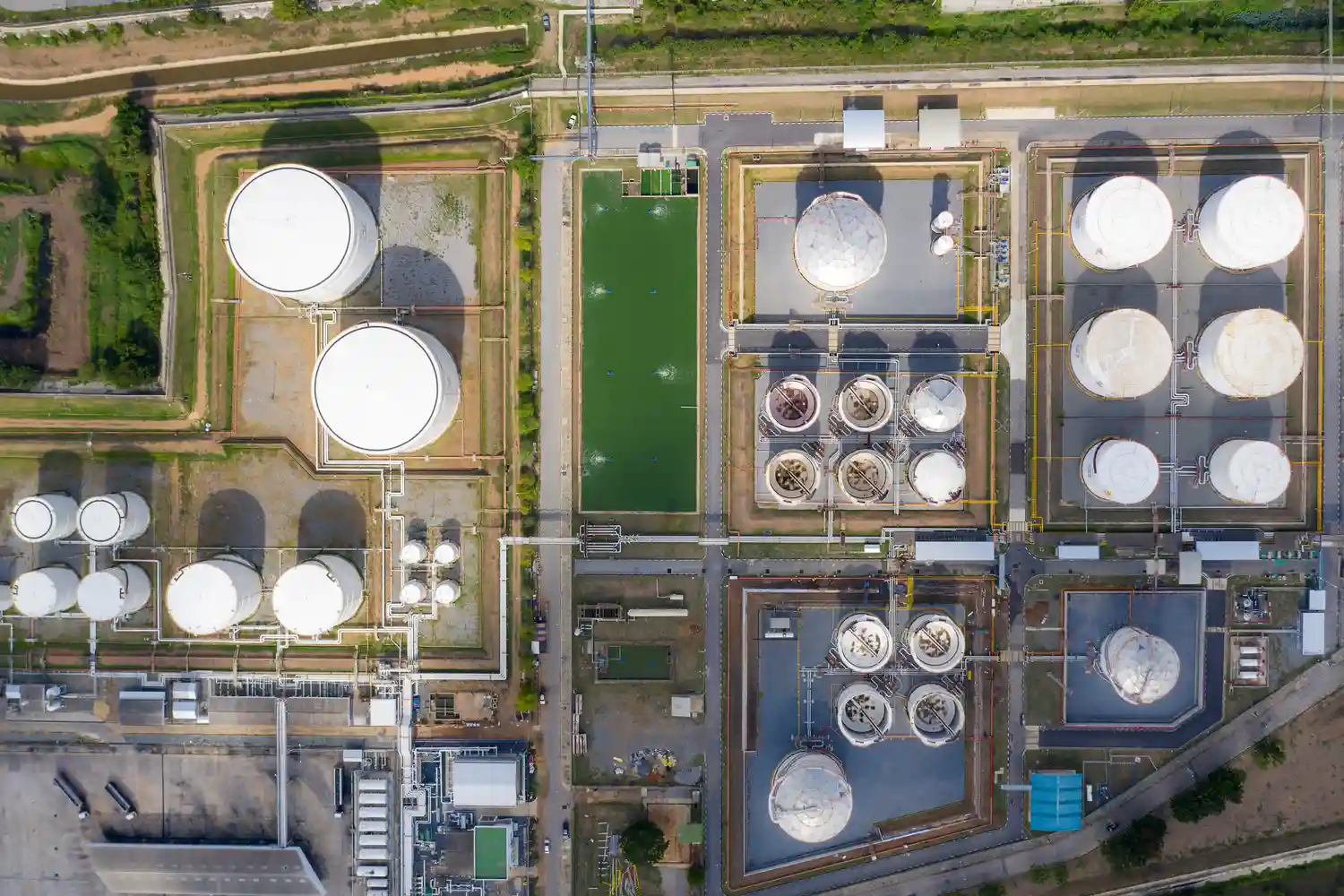
This service is typically used where organisations handle, store, or process flammable, explosive, or otherwise dangerous substances, and require proportionate, site-specific documentation to support their risk management approach.

Why This Service Matters
Where dangerous substances are present, organisations are expected to understand how those substances could contribute to fire or explosion risks, and to be able to demonstrate that those risks have been assessed. In many cases, this expectation extends beyond informal knowledge and requires clear, retrievable documentation.
DSEAR Reporting can support organisations by providing structured evidence that risk considerations have been formally addressed. This is often relevant for regulatory and audit readiness, internal governance reviews, and discussions with insurers, landlords, or other stakeholders.
Clear reporting can also assist with proactive risk identification. By reviewing substances, processes, and potential ignition sources together, organisations may gain greater visibility of how existing controls perform in practice, and where additional attention may be required.
The need for DSEAR-aligned documentation is risk-based and site-specific. The service is therefore framed to support informed decision-making rather than to imply universal or automatic regulatory outcomes.

Information gathering
such as site details, substance inventories, and process descriptions

Identification of dangerous substances
and potential ignition sources relevant to the activities undertaken

Consideration of credible risk scenarios
and existing control measures

Evaluation of how risks are managed in practice
based on available information

Preparation of a written report
aligned with DSEAR principles

Advisory observations or recommendations
where appropriate and within scope

Compliance, Standards & Governance
DSEAR Reporting is aligned with the UK Dangerous Substances and Explosive Atmospheres Regulations, supported by relevant Health and Safety Executive guidance and Approved Codes of Practice, where applicable.
The service is designed to reflect recognised regulatory expectations without implying certification, approval, or regulatory sign-off. Other standards or regimes may be relevant in certain circumstances, depending on the substances, equipment, and activities involved, and are considered only where appropriate to the site.
All references to legislation and guidance are framed to support understanding and documentation, not to replace the organisation’s own compliance responsibilities.

Typical Use Environments
DSEAR Reporting may be relevant across a wide range of environments where dangerous substances and potential ignition sources may coexist. Examples include:
• Industrial or processing environments
• Commercial premises with fuel or flammable substance storage
• Plant rooms, energy centres, or infrastructure areas
These examples are illustrative only. Each site is considered on a case-by-case basis, reflecting its specific substances, activities, and operating conditions.
Planned vs Reactive Use
Planned use
DSEAR Reporting is commonly commissioned as a planned, preventative measure to support ongoing risk management and governance. It may form part of periodic reviews, changes in process or storage arrangements, or preparation for audits and inspections.
Reactive use
In some cases, the service is requested reactively, for example following an incident, near-miss, or external request for clarification of fire and explosion risks. In all cases, the approach remains advisory and proportionate to the circumstances.
Related services


What happens next?
Engagement typically begins with an initial discussion to understand site activities, substances, and objectives for the reporting. This allows scope, information requirements, and access considerations to be clarified. Once agreed, the assessment approach and reporting needs are defined in line with the site’s operational and compliance context.