IBC Testing
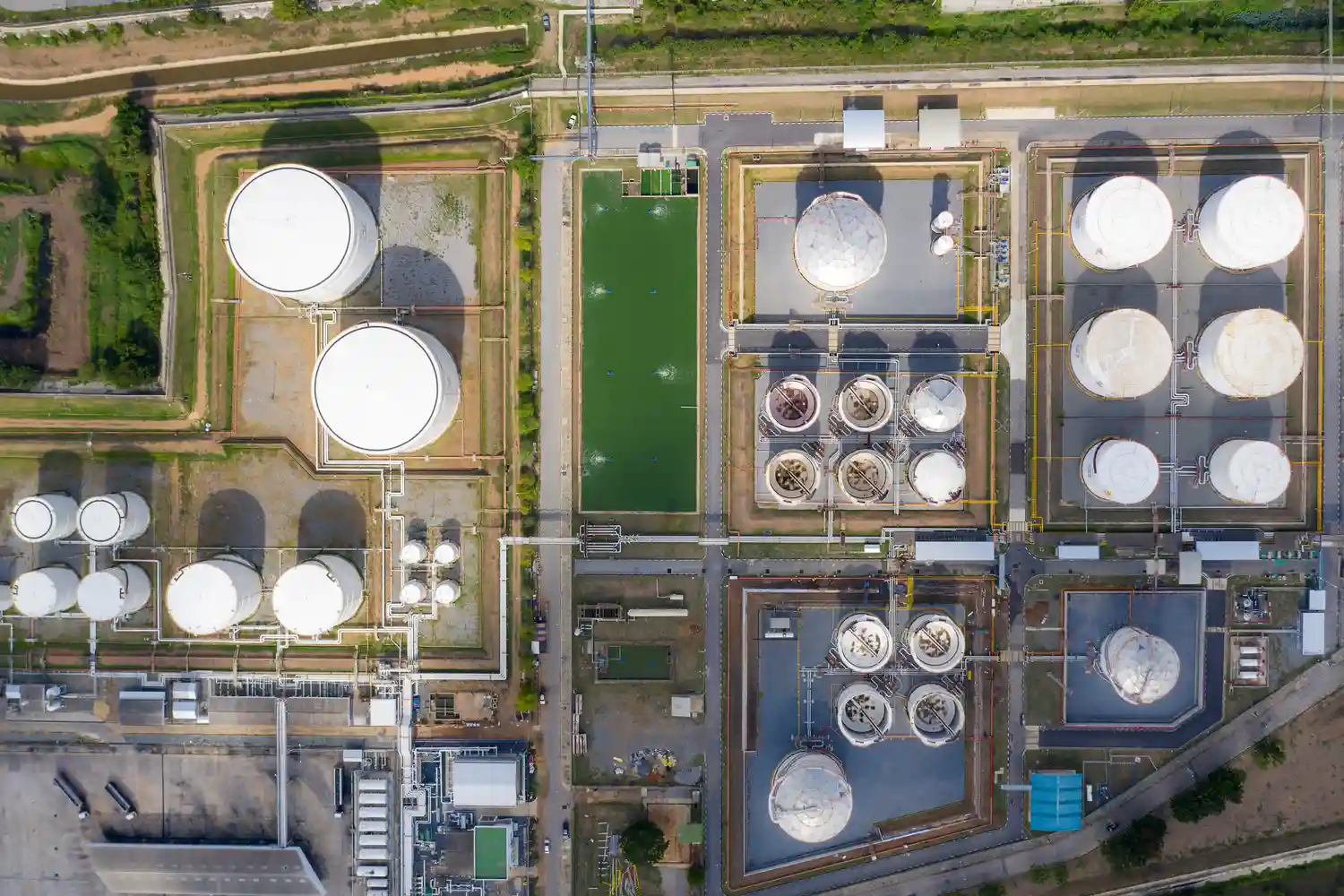
IBC Testing is a compliance-led inspection and testing service for UN-approved Intermediate Bulk Containers used in regulated industrial and commercial environments. The service is designed to support organisations that store or transport dangerous goods and need clear evidence that their IBCs remain fit for purpose.

Overview
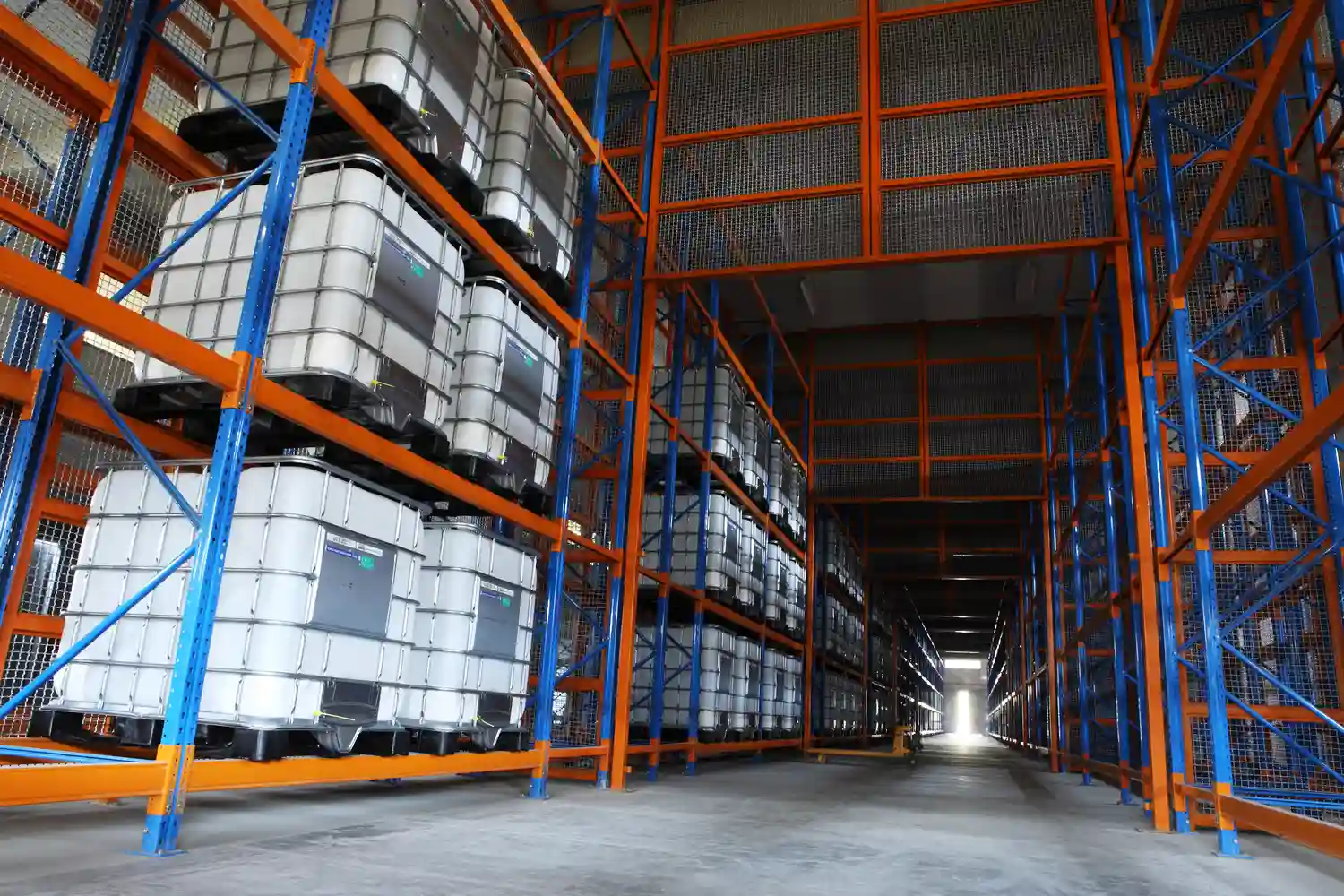
Testing typically involves a structured inspection of the container’s condition and, where applicable, leak proofness testing. The intent is to identify defects, deterioration, or non-conformities that could compromise safety, environmental protection, or regulatory compliance.
This service exists to help duty holders manage risk in line with applicable UK and ADR/RID requirements, without disrupting operations unnecessarily.
Documented outcomes support audit readiness and provide assurance that IBCs in use have been assessed using a controlled and methodical approach.
IBC Testing is positioned as part of LCM Environmental’s wider inspection and testing capability, focusing on accuracy, traceability, and practical alignment with real site conditions.
Why This Service Matters
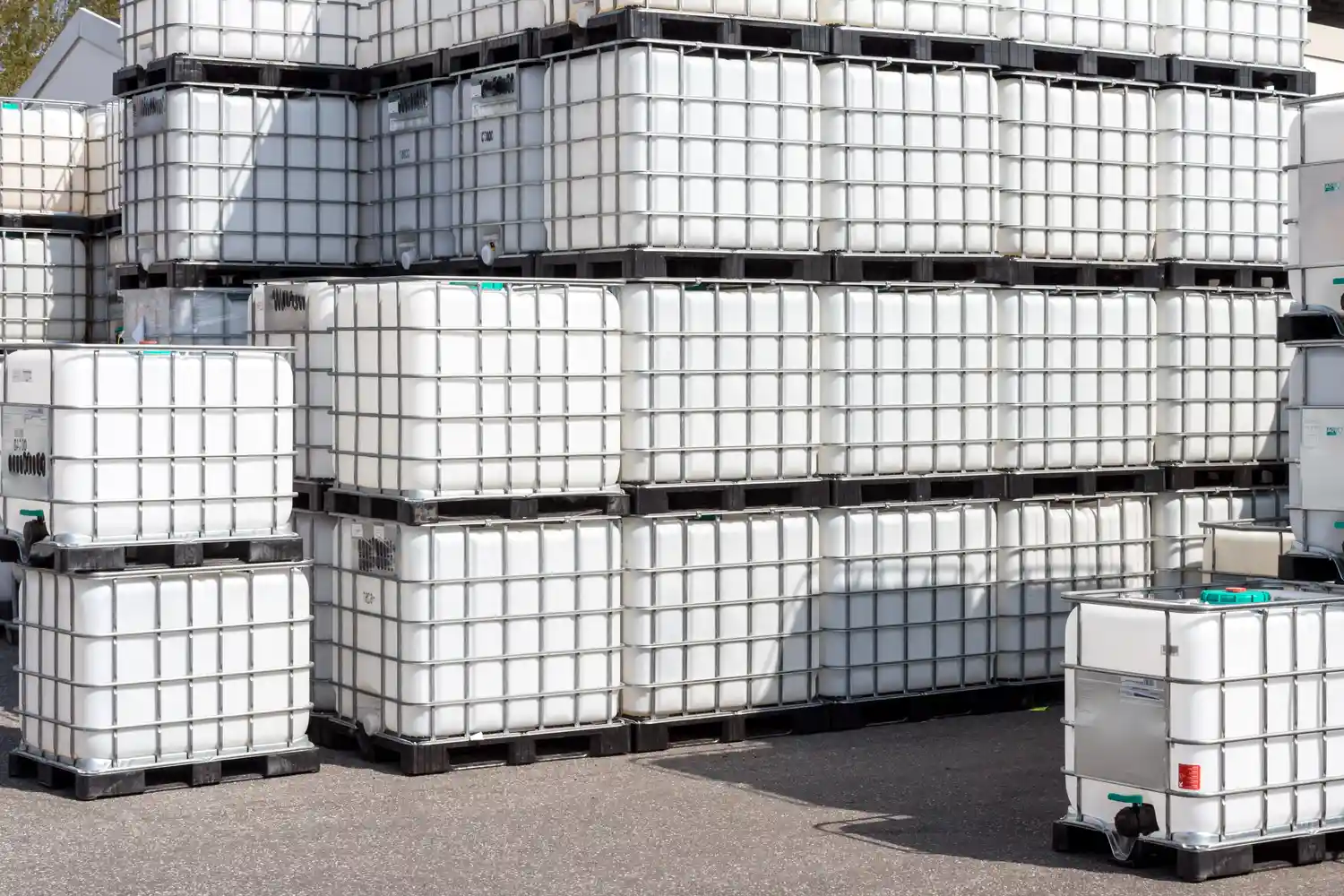
IBCs are commonly used to contain substances where loss of containment can have safety, environmental, and legal consequences. Over time, handling damage, material fatigue, or unsuitable storage conditions can affect container integrity.
Where periodic inspection or testing is required, failure to carry this out can expose organisations to non-compliance risk, increased likelihood of leaks, and challenges during audits or incident investigations. Even where no incident occurs, missing or unclear records can undermine confidence in asset management controls.
A structured IBC Testing process helps organisations demonstrate due diligence, identify issues early, and make informed decisions about continued use, repair, or withdrawal from service. This supports safer operations and reduces uncertainty around compliance status.

Pre-inspection review
Confirmation of IBC type, approval status, previous records where available, and site constraints.

Visual and condition inspection
Assessment of the container body, frame, valves, closures, and markings for signs of damage or deterioration.

Leakproofness testing (where applicable)
Testing carried out in line with relevant requirements, subject to IBC design and intended use.

Documentation
A recorded outcome identifying any defects or non-conformities, suitable for compliance and audit purposes.
Compliance, Standards & Governance
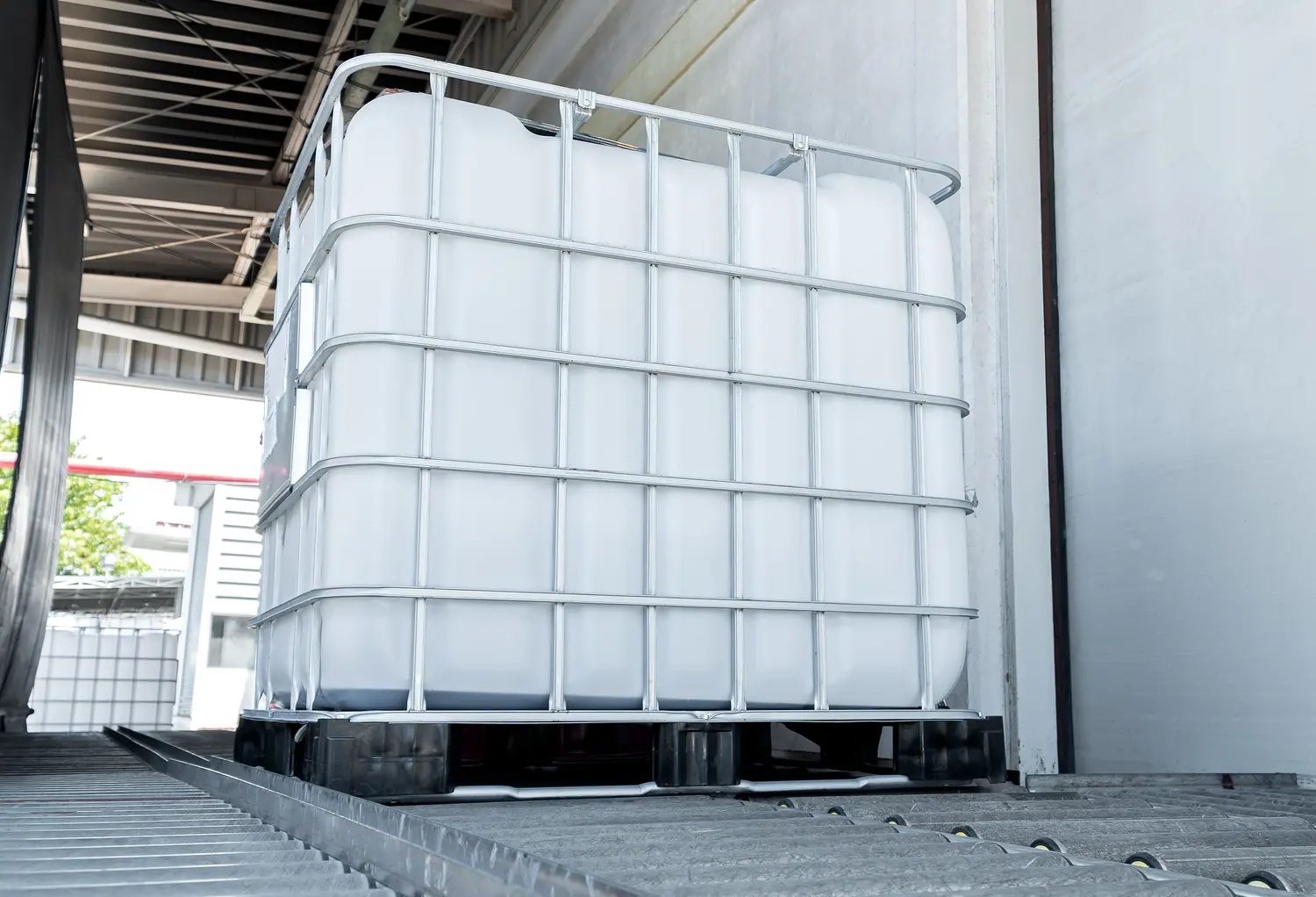
IBC Testing is undertaken with reference to applicable ADR/RID frameworks and relevant UK regulatory guidance, where required. LCM Environmental’s role is to act as a competent testing provider, applying controlled methods and consistent documentation.
The focus is on governance rather than certification. Processes are designed to support clients’ internal compliance obligations by providing reliable inspection records and clear outcomes, rather than making claims of regulatory approval.
All activities are carried out subject to site rules, safety controls, and agreed scope

Typical Use Environments
IBC Testing is commonly required in environments such as:
• Chemical and process industries
• Manufacturing and industrial facilities
• Waste management and treatment operations
• Logistics, storage, and distribution sites
• Utilities and infrastructure settings
This list is indicative rather than exhaustive. Applicability depends on the substances stored or transported and the regulatory context.
Planned vs Reactive Use
Planned use
Many organisations include IBC Testing within periodic compliance and inspection programmes. This supports predictable maintenance planning and consistent record keeping.
Reactive use
Testing may also be required following handling damage, extended storage, audit findings, or changes in use. In these cases, inspection helps establish whether the IBC can remain in service or requires removal.
Related services


What happens next?
Engagement typically starts with a discussion to confirm the number and type of IBCs, their use, and site conditions. LCM Environmental will then agree the appropriate inspection and testing approach, including whether work is carried out on-site or via alternative arrangements.