OFTEC & OSR Reporting
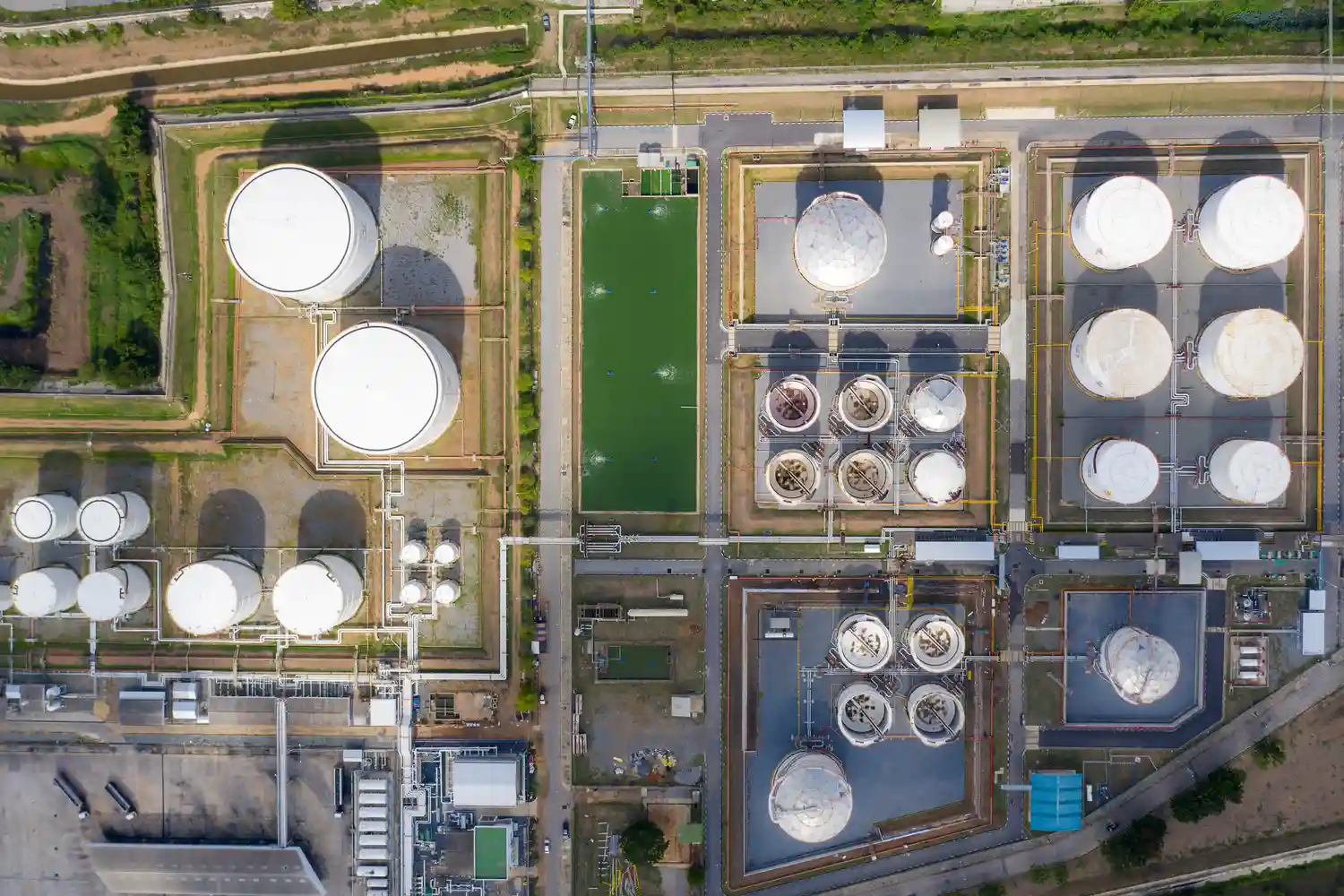
OFTEC & OSR Reporting is a structured inspection and written reporting service for above-ground oil and fuel storage installations. It provides a documented view of observable condition, layout, and environmental risk, using OFTEC-aligned inspection frameworks as an industry reference point and a principles-based review against applicable oil storage regulatory expectations.


Overview
The service is designed to support informed decision-making rather than certification. Reports typically record site observations at the time of inspection, highlight apparent non-conformities or gaps, and set out areas where improvement or further investigation may be appropriate. This can support audit readiness, insurer or landlord assurance, and internal governance.
OFTEC & OSR Reporting does not automatically include works notification, certification, or regulatory approval. Where subsequent works are undertaken, any requirement for notification or certification is confirmed separately, based on the site, scope, jurisdiction, and whether appropriate registrations apply.
Impact
Oil and fuel storage systems often remain in service for long periods, with limited visibility of gradual deterioration or minor defects. Over time, issues such as compromised secondary containment, poor pipework condition, unsuitable fill arrangements, or unclear documentation can increase environmental and operational risk.
A structured inspection and report helps duty holders understand the current condition of storage assets and how arrangements align with recognised good practice and regulatory principles. This can support audit preparation, provide evidence for insurers or stakeholders, and help prioritise maintenance or investment decisions.
The emphasis is on clarity and evidence. The report is a time-specific record intended to reduce uncertainty around condition and compliance expectations, without presenting the outcome as an approval or guarantee.

Initial scoping
Confirm tank types, locations, access requirements, operational constraints, and the purpose of the report (for example insurer, landlord, audit, or internal governance).

Site context review
Review known issues, site use, and any relevant information that may influence applicability or inspection focus.

On-site inspection
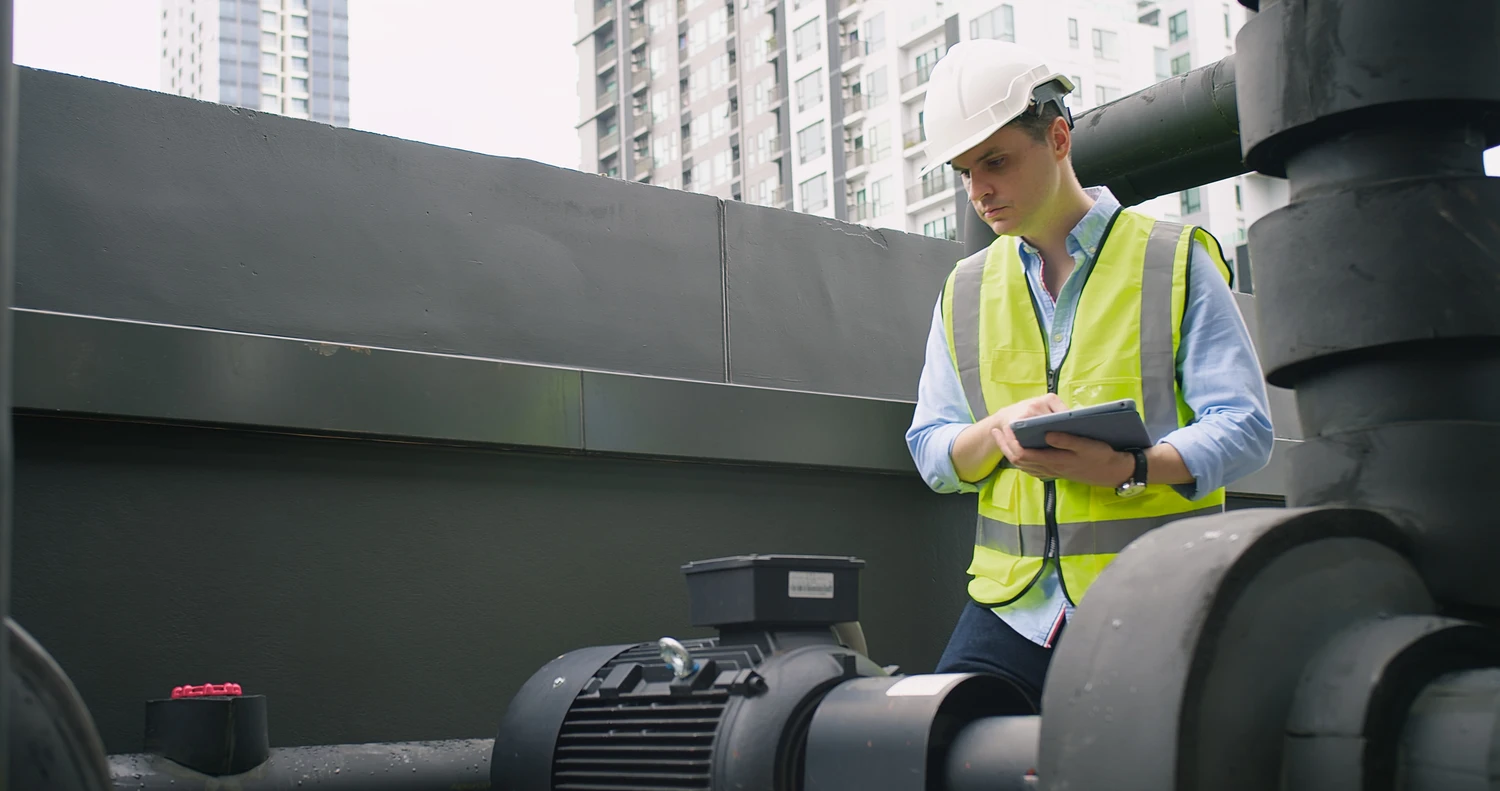
Visual inspection of the installation using an OFTEC-aligned framework and a principles-based review against applicable regulatory expectations. The focus is typically on observable condition rather than intrusive testing.

Evidence capture
A recorded outcome identifying any defects or non-conformities, suitable for compliance and audit purposes.

Report compilation
Written report outlining observations, apparent non-conformities, potential risks, and practical areas for improvement, with scope limitations clearly stated.

Next steps
Advisory guidance on corrective actions or further investigation. Optional support for remedial works or follow-up inspections can be discussed if requested.

Compliance, Standards & Governance
The inspection approach is informed by recognised UK oil storage good practice and industry expectations, using OFTEC requirements as a recording and reference framework without implying certification or approval.
Regulatory applicability varies by jurisdiction, tank capacity, contents, location, and operational use. The report supports compliance management by documenting observed conditions against relevant principles, but it does not replace legal advice or regulator determinations.
DSEAR considerations are addressed only where required and within the agreed scope. Any requirement for notification, certification, or third-party approvals is confirmed separately and only in relation to subsequent works.

Typical Use Environments
OFTEC & OSR Reporting is commonly used at UK sites with above-ground oil or fuel storage, including:
• Commercial and industrial premises
• Facilities with standby power generation
• Sites requiring insurer or landlord assurance
• Locations with legacy installations where records are limited
Domestic installations may be considered where applicable and where the scope aligns with the inspection framework.
Planned vs Reactive Use
Planned use
This service can form part of a planned inspection or audit programme, supporting periodic review of storage condition and ongoing governance.
Reactive use
It can also be used reactively, for example following identified defects, incidents, changes in site use, site acquisition, or post-works verification where an independent condition overview is required.
Related services


What happens next?
The next step is a short scoping discussion to confirm the site context, reporting objective, and the assets to be inspected. This allows the inspection approach to be agreed in advance, so the report is proportionate, relevant, and suitable for its intended use (for example audit evidence, insurer review, landlord assurance, or internal governance).