Electrical Installation Condition Reports (EICR)
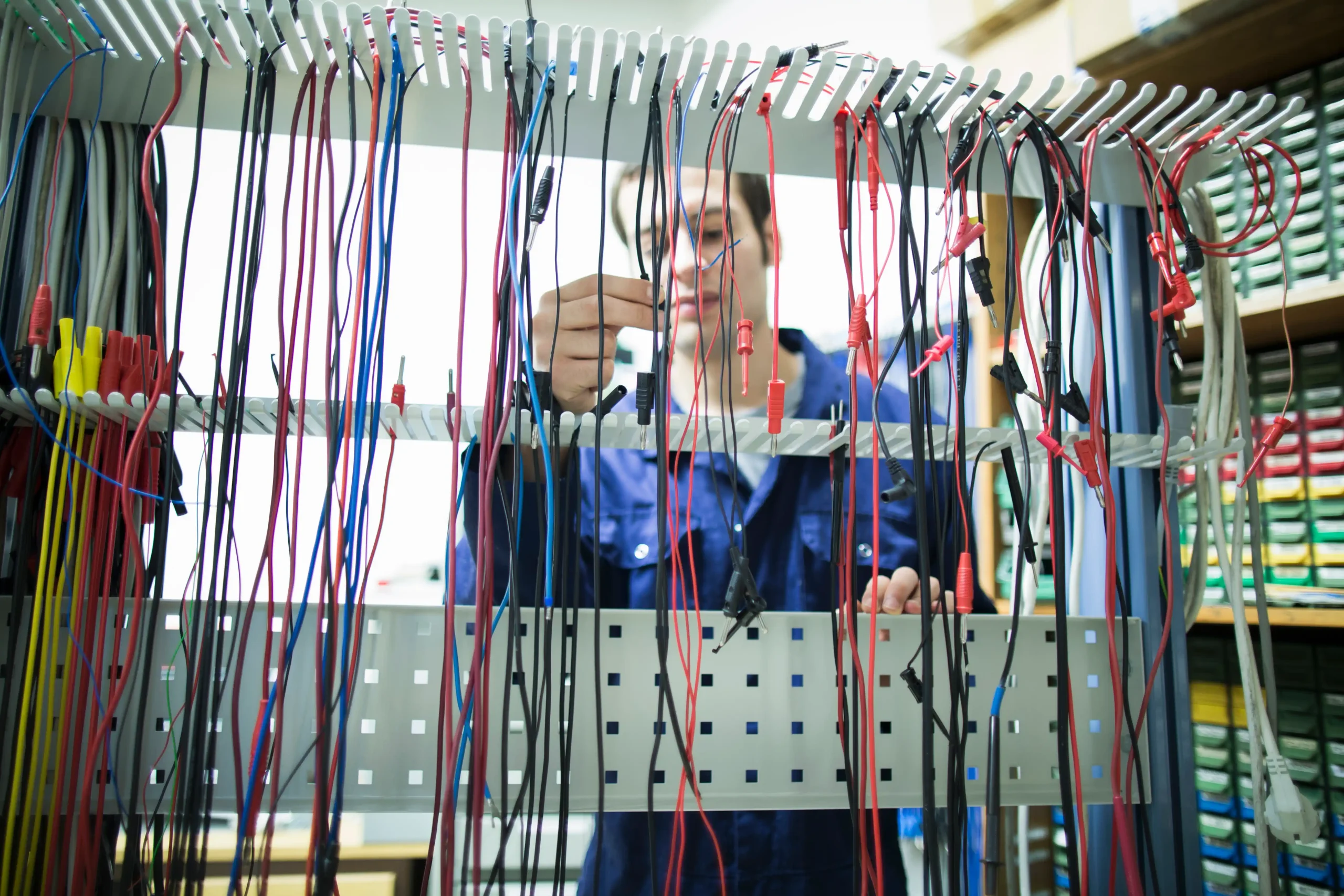
An Electrical Installation Condition Report (EICR) is a structured inspection and testing process used to assess the condition of a building’s fixed electrical installation. This includes wiring systems, distribution boards, circuits, protective devices, and associated earthing and bonding arrangements.

Overview
Organisations typically commission an EICR to understand whether electrical systems remain in a safe and serviceable condition, and to identify deterioration, damage, incorrect alterations, or other conditions that may increase risk.
The outcome is a formal written report documenting observations made at the time of inspection, alongside recommended actions where issues are identified.
EICRs are commonly used as part of wider electrical safety management, asset integrity programmes, or audit preparation. They can support informed decision-making by providing a clear, evidence-based view of installation condition, particularly where buildings are ageing, have undergone change, or operate in demanding environments.
The scope, depth, and practical approach to an EICR will depend on site characteristics, access constraints, and operational requirements.

Why Electrical Condition Reporting Matters
Electrical systems degrade over time through normal use, environmental exposure, and modification. Without periodic condition assessment, defects or unsafe conditions may remain undetected until failure or incident occurs.
Electrical condition reporting helps organisations manage this risk in a controlled way. By identifying issues early, it supports proportionate maintenance planning rather than reactive response. For facilities and compliance teams, the report provides documented evidence of inspection and assessment, which can support internal governance, audit processes, and risk reviews.
In operational settings, understanding the condition of fixed wiring systems also contributes to continuity planning. Electrical faults can affect critical systems, plant, or safety infrastructure. Condition reporting helps inform where attention may be required, without assuming immediate intervention is always necessary.

Scope and access planning
taking account of site use, operational constraints, and any permit or isolation requirements

Visual inspection
of accessible parts of the electrical installation to identify visible damage, wear, or non-conformities

Electrical testing
where safe and practicable, to assess characteristics such as continuity, insulation resistance, and protective device operation

Assessment and classification
of observed conditions using an established coding framework

Preparation of a written report
aligned with DSEAR principles

Issue of a formal written report
summarising findings and observations

Operating in Live & Critical Environments
Many EICRs are carried out in live or operational buildings where uninterrupted service is important. In these environments, inspection and testing require careful coordination.
This typically involves advance planning around access, isolation windows, and sequencing of works. Permit-to-work systems, access controls, and clear handback procedures may apply. Testing may be limited or staged where full shutdown is not practicable, with this clearly reflected in the report.
The objective is to carry out meaningful assessment while maintaining safety and respecting operational constraints.

Understanding Observation Codes
EICR findings are commonly recorded using a standard coding system to indicate the level of risk associated with each observation:
C1 – Danger present
Indicates a condition that presents an immediate risk of injury.
C2 – Potentially dangerous
Indicates a condition that could become dangerous under certain circumstances.
C3 – Improvement recommended
Indicates that safety could be improved, although the condition is not considered dangerous at the time of inspection.
The presence of codes does not prescribe timescales or methods for action but helps prioritise decision-making.
What Happens After the Report?
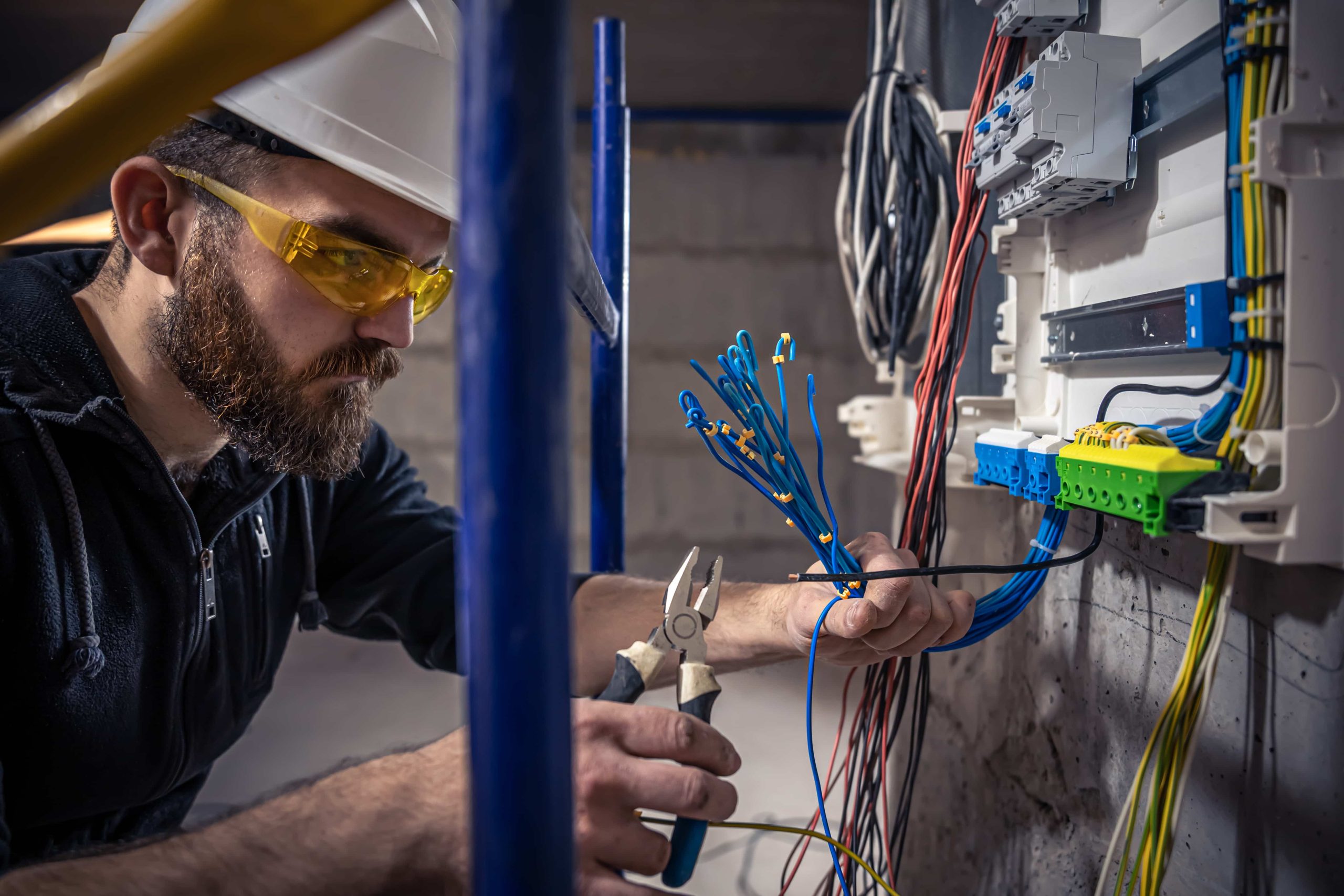
Following issue of the EICR, organisations typically review the findings to determine appropriate next steps. This may include monitoring, further investigation, or remedial works, depending on the nature and severity of observations.
Remedial actions are usually managed separately from the inspection itself. Where required, they can be planned to align with operational priorities, shutdown windows, and budget considerations. The EICR provides the technical basis for these decisions but does not assume a single outcome.
Planned use
Planned inspections are often incorporated into asset management or compliance programmes, providing periodic insight into installation condition over time. This approach supports structured maintenance planning and reduces reliance on reactive intervention.
Reactive use
Reactive EICRs may be requested following incidents, reported faults, refurbishment works, changes in building use, or during acquisition or lease review. In these cases, the report provides a snapshot assessment to inform next steps.
Related services


What happens next?
Organisations considering an EICR typically begin with a high-level discussion to confirm scope, access arrangements, and operational constraints. This helps ensure the inspection approach is proportionate, safe, and aligned with site requirements. Further information can then be used to plan inspection activity and integrate findings into wider electrical safety or asset management processes.