Fixed Appliance Testing (FAT)
Fixed Appliance Testing (FAT) is a service focused on the inspection and testing of fixed or permanently connected electrical appliances and equipment. It is used to assess electrical safety and functional condition where assets fall outside typical portable appliance testing regimes.

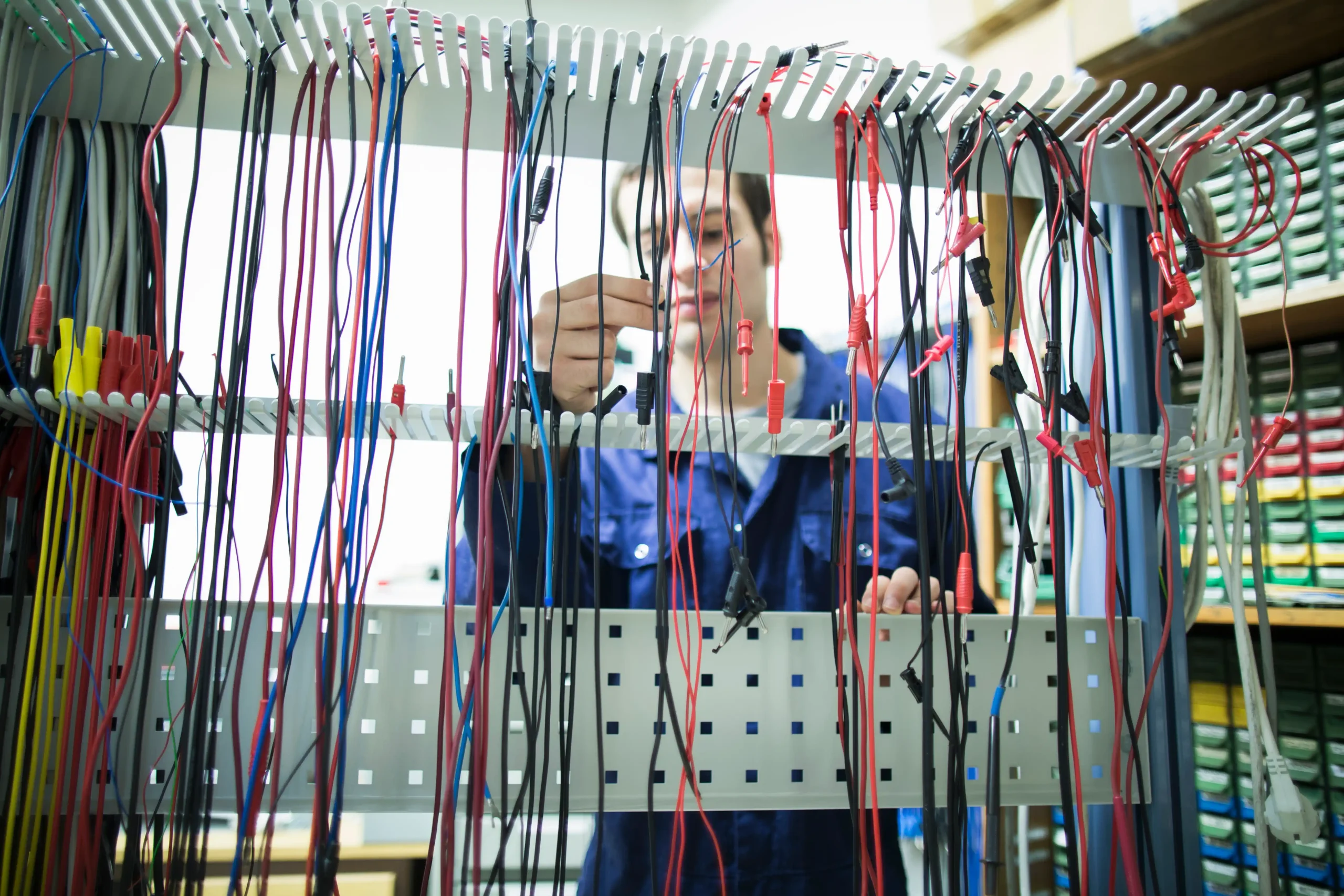
Overview
In many operational environments, electrical equipment is hard-wired, integrated into wider systems, or not designed to be moved. These assets may not be covered by routine PAT programmes, yet they can still deteriorate over time due to wear, environmental exposure, load conditions, or changes to use.
FAT is intended to support asset owners and duty holders by providing visibility of condition, identifying observable defects, and recording test findings against specific fixed equipment. The service is typically used as part of a planned, preventative approach to electrical safety management, but may also be applied following repairs, incidents, or modifications where appropriate access and isolation are available.
The scope of FAT is defined at the outset and focused on identified fixed appliances and equipment, rather than general building wiring or full installation assessments unless explicitly agreed.

Why This Service Matters
Fixed electrical appliances that are permanently connected can present safety and operational risks if deterioration or damage goes undetected. Insulation breakdown, loose connections, inappropriate modifications, or environmental factors may increase the likelihood of electric shock, overheating, or equipment failure.
Where fixed assets sit outside PAT programmes, gaps in inspection and testing records can also make it harder to demonstrate oversight and informed maintenance planning. In asset-intensive or regulated environments, this lack of visibility may affect risk management decisions and confidence in system reliability.
Fixed Appliance Testing can help organisations take a more structured view of fixed electrical equipment condition. By identifying defects, limitations, or areas requiring further attention, FAT supports informed decision-making around maintenance, repair, or further investigation, without overstating compliance outcomes or replacing broader electrical inspections.

Scope clarification
Confirmation of asset types, locations, access constraints, and any operational limitations.

Visual inspection
Examination of fixed appliances, enclosures, and visible connections for signs of damage, wear, or inappropriate installation.

Electrical safety testing
Application of appropriate test methods relevant to the equipment type and connection, where safe isolation and access are available.

Recording of findings
Test results, inspection notes, and observations are recorded against the identified assets.

Advisory observations
Identification of defects, limitations, or non-conformities to inform next steps or remedial considerations.

Compliance, Standards & Governance
Fixed Appliance Testing is carried out with reference to relevant UK electrical safety guidance, where applicable to the scoped equipment and environment. The service is intended to support internal safety management and asset oversight.
FAT does not imply statutory inspection, certification, or regulatory sign-off unless these outcomes are explicitly defined and separately agreed. Findings are provided on an advisory basis to inform maintenance planning, risk assessment, or further specialist review where required.

Typical Use Environments
FAT may be appropriate in asset-intensive or operational environments where fixed electrical equipment is in use, particularly where appliances are hard-wired, integrated into plant or infrastructure, or not suitable for portable testing.
Examples may include sites with fixed plant, machinery, control equipment, or built-in electrical systems supporting wider operations.
Planned vs Reactive Use
Planned use
Fixed Appliance Testing is most commonly used as a planned, preventative activity to provide periodic insight into equipment condition and emerging risks.
Reactive use
In some cases, it may also be used reactively following incidents, equipment faults, repairs, or system modifications. Reactive testing is typically dependent on safe access, suitable isolation, and coordination with site operations.
Related services


What happens next?
If Fixed Appliance Testing may be relevant to your site, the next step is usually a scoping discussion. This allows asset types, access requirements, operational constraints, and any safety controls to be clarified before works are planned. From there, FAT can be scheduled in a way that aligns with site operations and supports informed management of fixed electrical equipment.