Infrared Heating
Infrared Heating refers to services associated with infrared heating systems used within commercial and critical-infrastructure environments. These systems provide radiant heat by warming people, objects, and surfaces directly, rather than primarily heating the surrounding air.
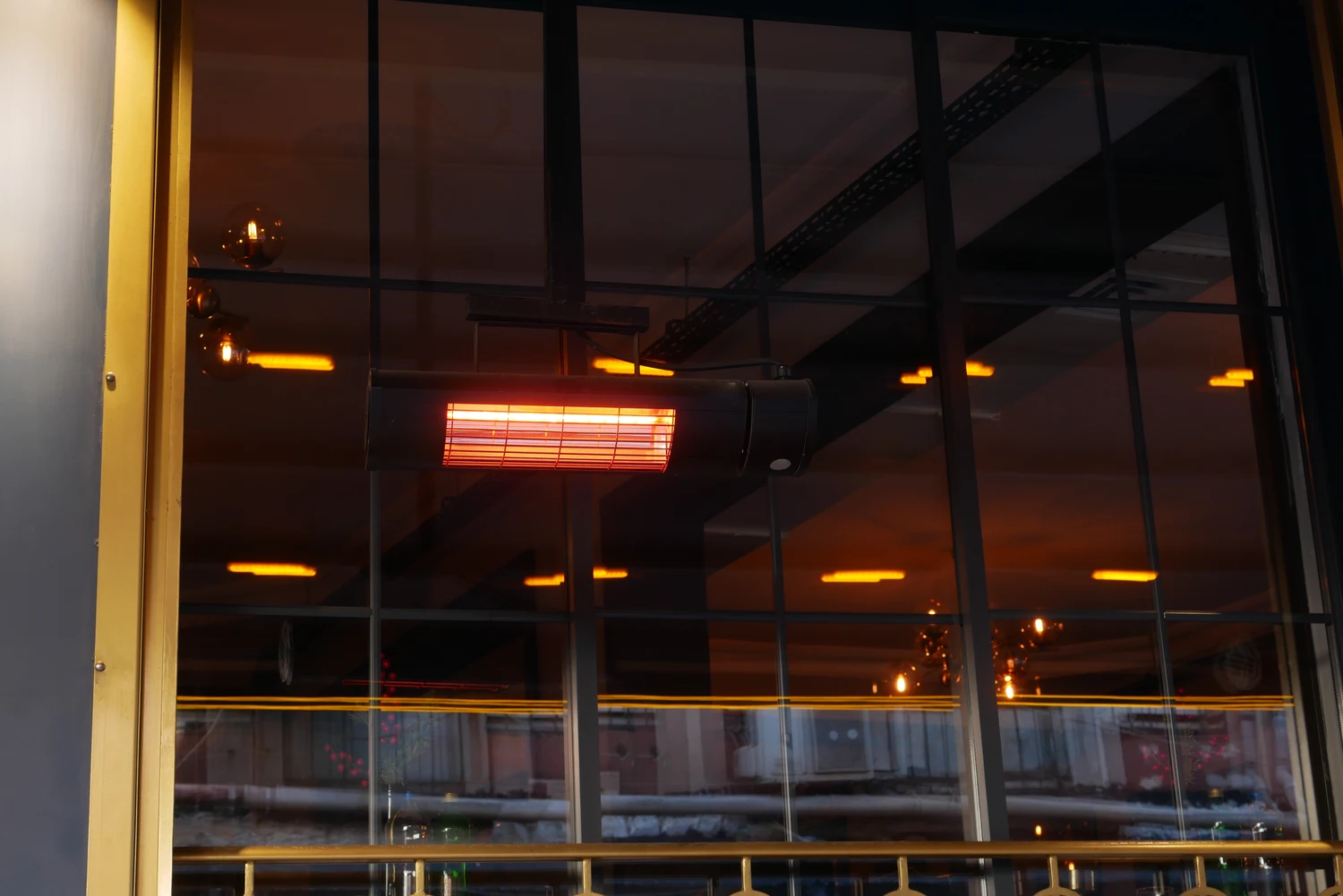

Overview
Infrared heating can be suitable for large or open spaces where conventional air-based heating may be less effective.
The service may include assessment, installation, inspection, maintenance, or optimisation of infrared heating systems, depending on site requirements and existing arrangements. Both electric and gas-fired infrared technologies may be encountered, with the specific system type determined through site review rather than assumption.
Organisations that typically require infrared heating services include operators of warehouses, industrial or manufacturing facilities, and large operational buildings. The service is intended for non-domestic use only and is delivered with consideration for live environments, operational constraints, and long-term maintainability.

Why This Service Matters
Heating systems that are not well matched to the size, layout, or use of a building can lead to inconsistent temperatures and reduced comfort for occupants. In large-volume or high-ceiling environments, ineffective heating can also place additional load on electrical or fuel systems without delivering consistent results.
Where infrared heating is installed, issues such as incorrect positioning, system degradation, or lack of maintenance may affect performance over time. This can influence day-to-day working conditions and create avoidable operational inefficiencies.
A planned and considered approach to infrared heating supports predictable performance and allows organisations to manage heating provision alongside other operational priorities, particularly where access, shutdown windows, or safety controls apply.

Review
of existing heating systems and building use

Assessment
of whether infrared heating is suitable for specific areas

Installation
or modification of infrared heating equipment where required

Planned inspection
or maintenance to support continued operation

Review
of system setup and opportunities for adjustment

Compliance, Standards & Governance
All Infrared Heating works are carried out in line with relevant legislation, standards, and site requirements where applicable. Compliance considerations vary depending on system type, environment, and scope of works.
Records or supporting documentation may be provided where required, subject to the agreed service scope and client requirements.

Typical Use Environments
Infrared heating services may be applicable within:
• Warehouses and distribution facilities
• Industrial or manufacturing buildings
• Large commercial or operational buildings
• Infrastructure-led environments where targeted heating is required
Suitability is assessed on a case-by-case basis, taking account of building characteristics, operational use, and existing infrastructure.
Planned vs Reactive Support
Planned support
Infrared Heating services are primarily delivered on a planned and preventative basis. This allows system condition and performance to be reviewed in a controlled manner and reduces the likelihood of unplanned disruption.
Reactive support
Reactive support may be provided where appropriate, for example where an existing infrared heating system is not performing as expected or requires investigation. This support is not positioned as emergency response and is typically managed within agreed site processes.
Related services


What happens next?
Following an enquiry, information is gathered to understand the site, existing heating arrangements, and operational constraints. An assessment is then used to determine whether infrared heating services are appropriate and what level of support may be required.