PID Call Out Installations Maintenance
LCM Environmental provides call-out support, installation, replacement, and planned maintenance for Photoionisation Detector (PID) sensors used in VOC and gas monitoring applications.


Overview
PID sensors are often relied upon to provide early indication of vapour presence or loss of containment. Where readings become unreliable, alarms persist, or confidence in detection is reduced, controlled intervention is required to restore trust in the asset.
This service supports both reactive and planned requirements. It can include fault investigation, sensor replacement, routine servicing, and functional checks, depending on site conditions and agreed scope. Work is undertaken without manufacturer restriction and is focused on the PID sensor itself, rather than wider system integration.
The objective is to help clients maintain dependable detection capability, reduce uncertainty around sensor performance, and support operational and compliance obligations where PID monitoring forms part of site controls.

Why This Service Matters
PID sensors are often installed in areas where vapour detection supports safety, environmental protection, or operational decision-making. Over time, sensors can drift, degrade, or become unreliable due to contamination, environmental exposure, or age.
Where PID performance is uncertain, sites may experience nuisance alarms, false confidence, or unplanned operational disruption. In regulated or high-risk environments, poor sensor performance can also complicate audits or incident investigations.
Planned inspection and maintenance can help reduce these risks by identifying issues early. Reactive call-outs allow faults to be assessed and stabilised when confidence in readings is lost. In both cases, a controlled, documented approach supports continuity and accountability without overstating compliance outcomes.

Initial scope confirmation
Discussion of the issue or requirement, including alarm behaviour, fault indicators, sensor type, and site constraints.

Site attendance
Attendance arranged within agreed terms to access the PID sensor and surrounding installation.

Inspection and functional checks
Visual inspection, condition assessment, and basic functional checks of the PID sensor, where accessible and safe to do so.

Servicing, replacement, or adjustment
Planned maintenance, sensor replacement, or corrective actions undertaken where within scope and appropriate.

Advice on next steps
Clear guidance provided where further work, monitoring changes, or asset replacement should be considered.

Handover and records
Summary of findings and actions taken, with documentation provided where required or requested.

Compliance, Standards & Governance
PID sensors may form part of wider safety, environmental, or operational control measures. Where applicable, LCM’s approach supports audit readiness through clear scope definition, controlled site works, and factual reporting.
Documentation is provided to reflect work completed and observations made. Formal calibration certificates, hazardous area certification, or compliance sign-off are not assumed and are addressed only where explicitly required and agreed.

Typical Use Environments
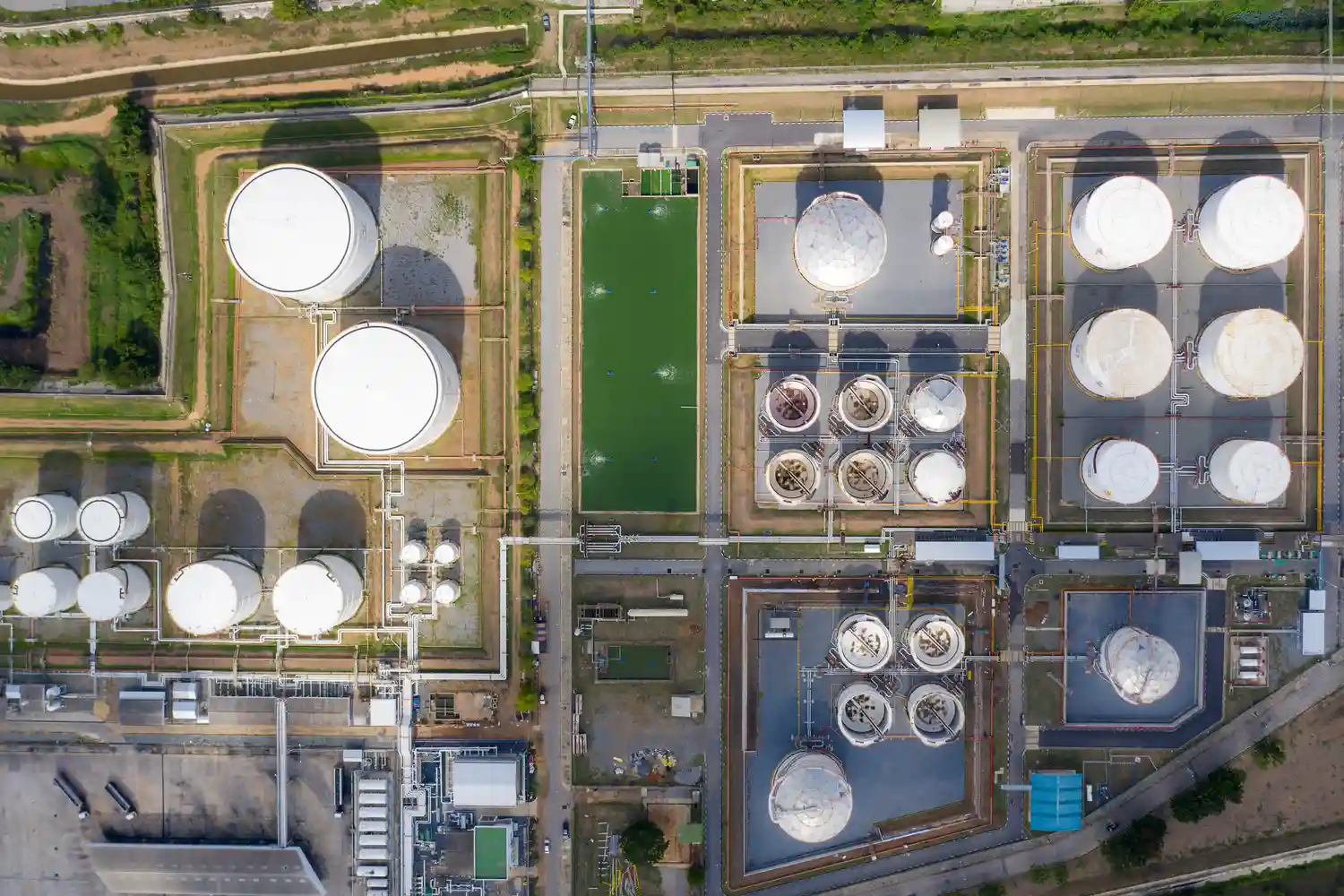
This service is commonly used in environments where VOC or gas presence requires monitoring, including:
• Fuel storage and handling areas
• Plant rooms or enclosed service spaces
• Forecourts and transfer points
• Industrial or commercial facilities with vapour risk
Site conditions, access arrangements, and safety controls vary and are confirmed in advance.
Planned vs Reactive Use
Planned use
Planned maintenance supports routine servicing, sensor condition checks, and lifecycle management. Project-based work may include new installations or sensor replacement as part of refurbishment or asset renewal.
Reactive use
Reactive support is typically requested following alarms, suspected sensor failure, or loss of confidence in readings.
Related services


What happens next?
If you are experiencing PID sensor faults, planning maintenance, or considering installation or replacement, the next step is to discuss the requirement and site conditions. LCM Environmental will confirm scope, constraints, and practical options before any site attendance is arranged, allowing decisions to be made with clarity and without unnecessary assumption.