Pump Fault Maintenance and Repair
Pump Fault / Maintenance and Repair is a technical service focused on diagnosing, maintaining, and repairing pumps that support fuel systems. Its primary purpose is to restore or maintain reliable fuel movement where pumps are critical to operation.

Overview
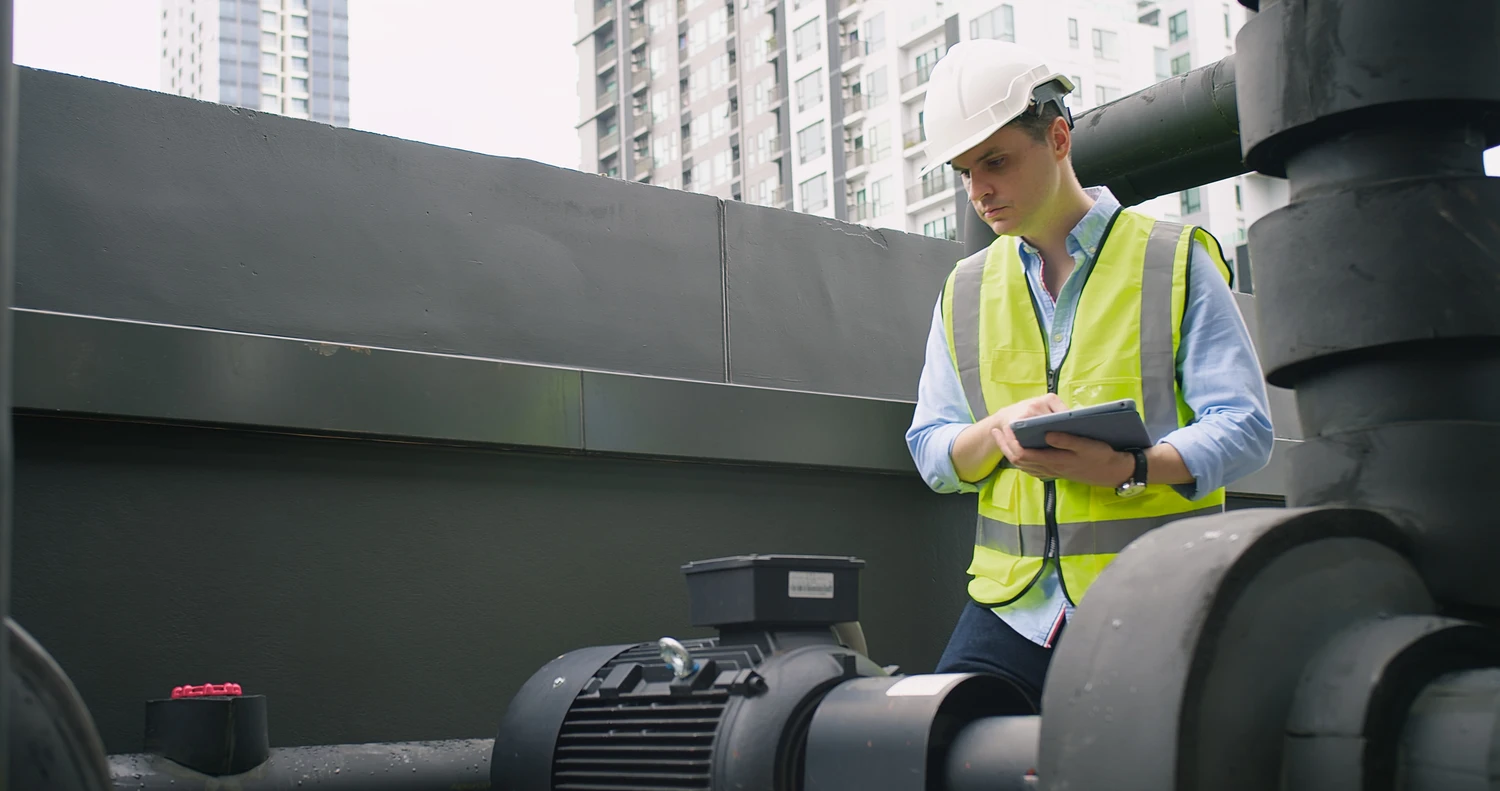
The service is typically applied to fuel transfer, circulation, and delivery pumps associated with bulk storage tanks, day tanks, and generator systems. Activities may involve mechanical, electrical, or control-related fault identification, followed by targeted corrective action.
While the service can include preventative maintenance tasks, it is not positioned as a full planned maintenance programme by default. Its emphasis is on responding to identified faults or degraded performance, with maintenance applied where it supports safe and reliable operation.
Non-fuel pumps may be considered only where they directly interface with fuel infrastructure and affect system integrity or operational continuity. The service is delivered with a focus on controlled working practices, safe isolation, and verification that the pump can operate as intended following intervention.
Why This Service Matters
Pumps are a critical link in fuel systems. When performance degrades or failures occur, fuel may not transfer or circulate as required, affecting generator readiness, plant operation, or site resilience.
Unresolved pump issues can increase the likelihood of leaks, spills, or unplanned downtime, particularly in systems operating under load or during emergency conditions. In generator-backed environments, a pump fault may only become apparent during testing or when the system is needed most.
Timely diagnosis and repair can help reduce secondary damage, limit operational disruption, and support safe fuel handling. Addressing faults early also allows recurring issues to be identified and managed before they develop into wider system failures.

Fault reporting and initial assessment
Review of reported symptoms, system history, and operational context.

On-site diagnostic inspection
Mechanical and/or electrical checks to identify the cause of failure or poor performance.

Controlled isolation
Safe isolation of fuel and power systems where required to allow inspection or repair.

Repair or maintenance activity
Adjustment, repair, or replacement of components as appropriate to the identified fault.

Functional testing
Verification that the pump operates correctly within the system following intervention.

Advisory feedback
Observations shared where repeat faults, wear patterns, or wider system issues are identified.

Compliance, Standards & Governance
Pump fault, maintenance, and repair works are carried out with regard to site-specific safety and environmental controls.
Where applicable, activities may take account of requirements related to electrical safety, work equipment safety, fuel handling, and spill prevention. The relevance of any legislation or standard is dependent on the system type, location, and scope of works.
Documentation, records, or test evidence can be provided where required or agreed, to support site records, audits, or internal governance processes.

Typical Use Environments
This service is commonly applied within:
• Commercial and industrial fuel installations
• Sites with standby or critical power generation
• Bulk fuel storage and day tank systems
• Plant rooms, bunded areas, or restricted-access fuel infrastructure
It is particularly relevant where pump reliability directly affects operational continuity or safety.
Planned vs Reactive Use
Reactive use
Pump Fault / Maintenance and Repair is primarily reactive, responding to identified failures or performance issues.
Planned use
In some cases, maintenance actions may be recommended following fault diagnosis to reduce the likelihood of recurrence. These activities can support reliability but do not replace a structured preventative maintenance programme unless explicitly scoped as part of a wider agreement.
Related services


What happens next?
An enquiry typically leads to an initial discussion to understand the reported issue, system type, and operational constraints. If appropriate, an assessment is arranged to confirm scope, access requirements, and safety considerations. Findings are then used to determine whether repair, maintenance, or further investigation is required, with next steps agreed based on site needs and priorities.