Stage 1B Vapour Testing and Repair
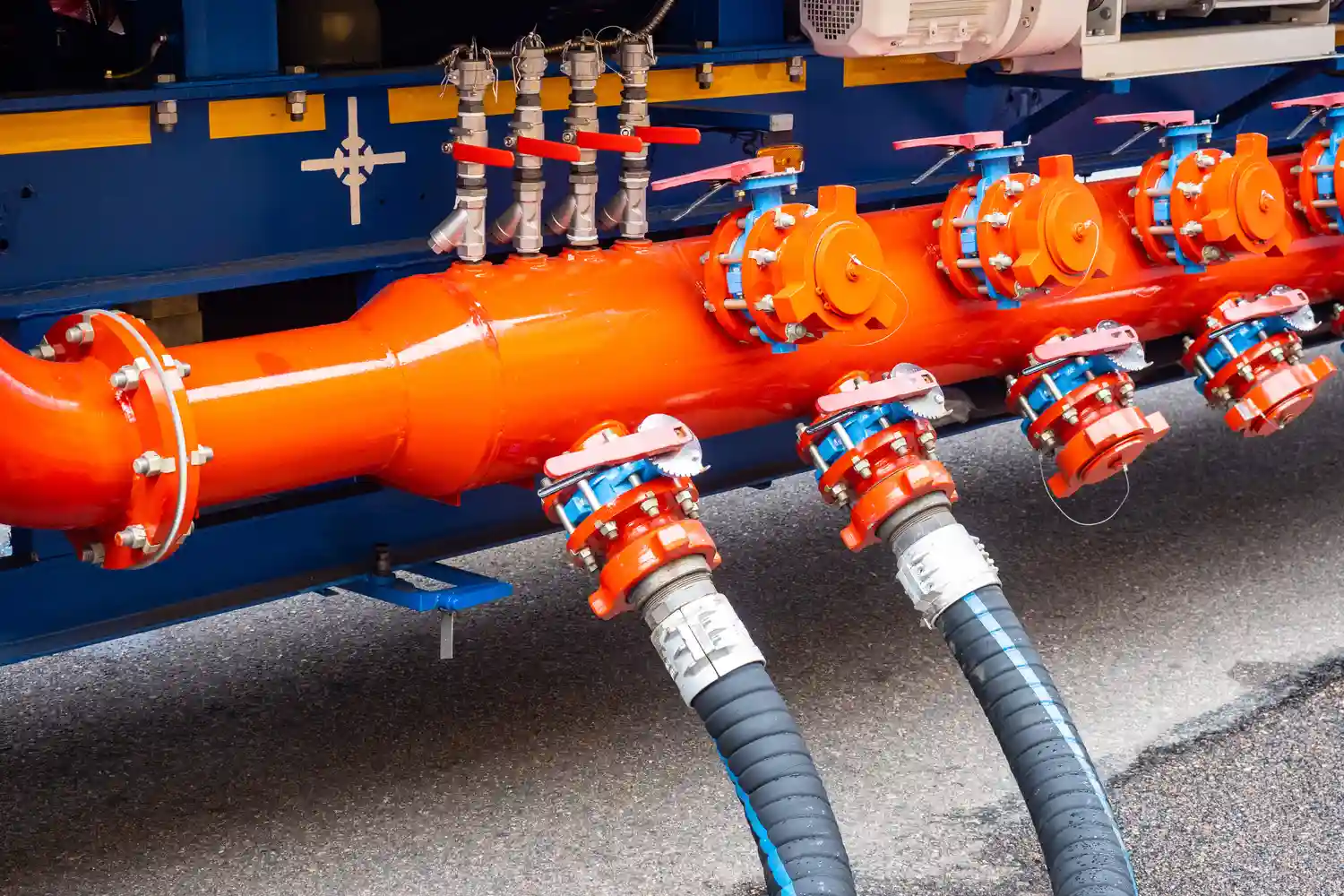
Stage 1B Vapour Testing and Repair focuses on checking the integrity of vapour recovery infrastructure used during petrol tanker offloading. These systems are designed to return displaced petrol vapours from underground storage tanks back to the delivery tanker, rather than allowing vapours to escape at the fill point.

Overview
LCM Environmental provides integrity testing of relevant Stage 1B vapour recovery components to identify leaks, connection issues, or degraded parts that may affect system performance. Where defects are identified within the agreed scope, associated repairs or component replacements can also be carried out.
The service is delivered with an emphasis on practical assurance. Testing and repair activities are planned around site constraints and operational needs, with the aim of confirming that vapour recovery infrastructure remains intact and fit for purpose. The approach avoids regulatory interpretation and instead focuses on system condition, functionality, and evidence suitable for site records where required.

Why this service matters
Petrol vapour recovery systems operate in hazardous environments and form part of wider environmental and operational controls on forecourts. Over time, seals, valves, hoses, and connections can degrade or be damaged through routine use, maintenance activity, or vehicle movements.
Operators typically commission Stage 1B vapour testing and repair to help manage the risk of vapour leaks, support safe operation, and maintain confidence in the integrity of tanker offloading arrangements. Identifying and addressing defects early can reduce the likelihood of vapour losses, unplanned downtime, or follow-on maintenance issues.
For sites where vapour recovery performance is monitored as part of internal controls, permits, or assurance programmes, this service can also provide confirmation that identified issues have been investigated, rectified, and, where applicable, rechecked.

Pre-visit scoping
to understand the forecourt layout, vapour recovery configuration, and access constraints.

Integrity testing
of relevant Stage 1B vapour recovery components associated with tanker offloading.

Fault identification
where test results indicate leaks, losses, or component defects.

Repair or replacement
of affected parts within the agreed scope, using compatible components.

Re-testing following repair
where applicable, to confirm that identified defects have been addressed.

Provision of records
summarising testing outcomes and works completed, where required for site files.

Evidence and Outputs
Where applicable, LCM can provide documentation to support site requirements and internal records.
The form and content of evidence depend on the agreed scope and governing arrangements but may include:
• Test results or summaries.
• Records of repairs or component replacements completed.
• Confirmation of re-testing following remedial works, where undertaken.
Outputs are aligned to site expectations rather than fixed report formats.

Typical Use Environments
This service is typically delivered at:
• Petrol filling stations and retail forecourts with Stage 1B vapour recovery arrangements at tanker offloading points.
• Other fuel handling sites where similar vapour return systems are present, depending on configuration.
Planned vs Reactive Support
Planned support
As part of planned integrity testing or assurance programmes, often scheduled alongside other forecourt maintenance activities.
Reactive support
On a reactive basis, following failed tests, inspections, or reported vapour-related concerns.
Related services


What happens next?
The next steps are straightforward, involving initial gathering of site information and confirmation of scope, agreement of access arrangements, constraints, and timing, and delivery of testing and any agreed repair works aligned to site needs.