Tank and Pipework Testing
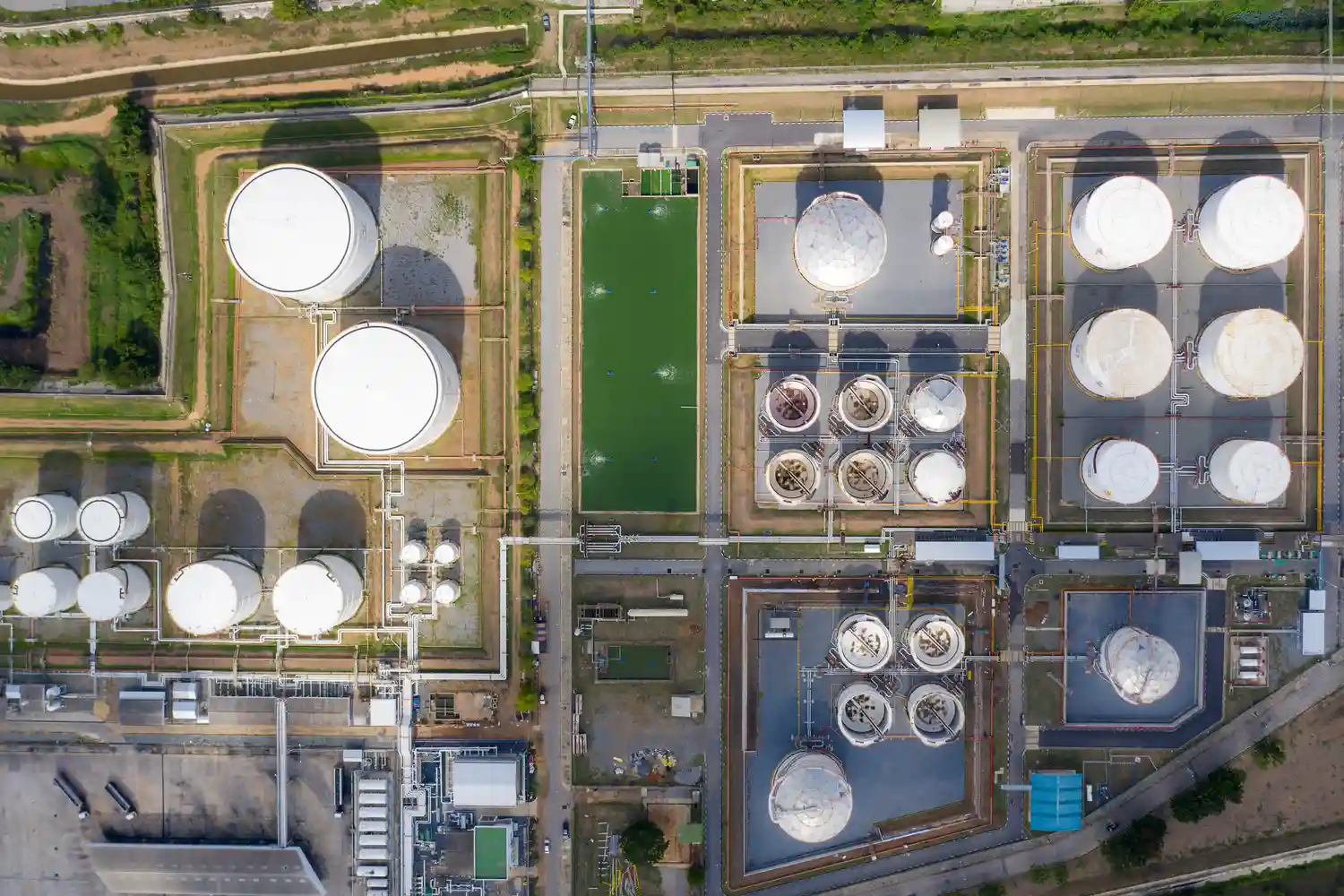
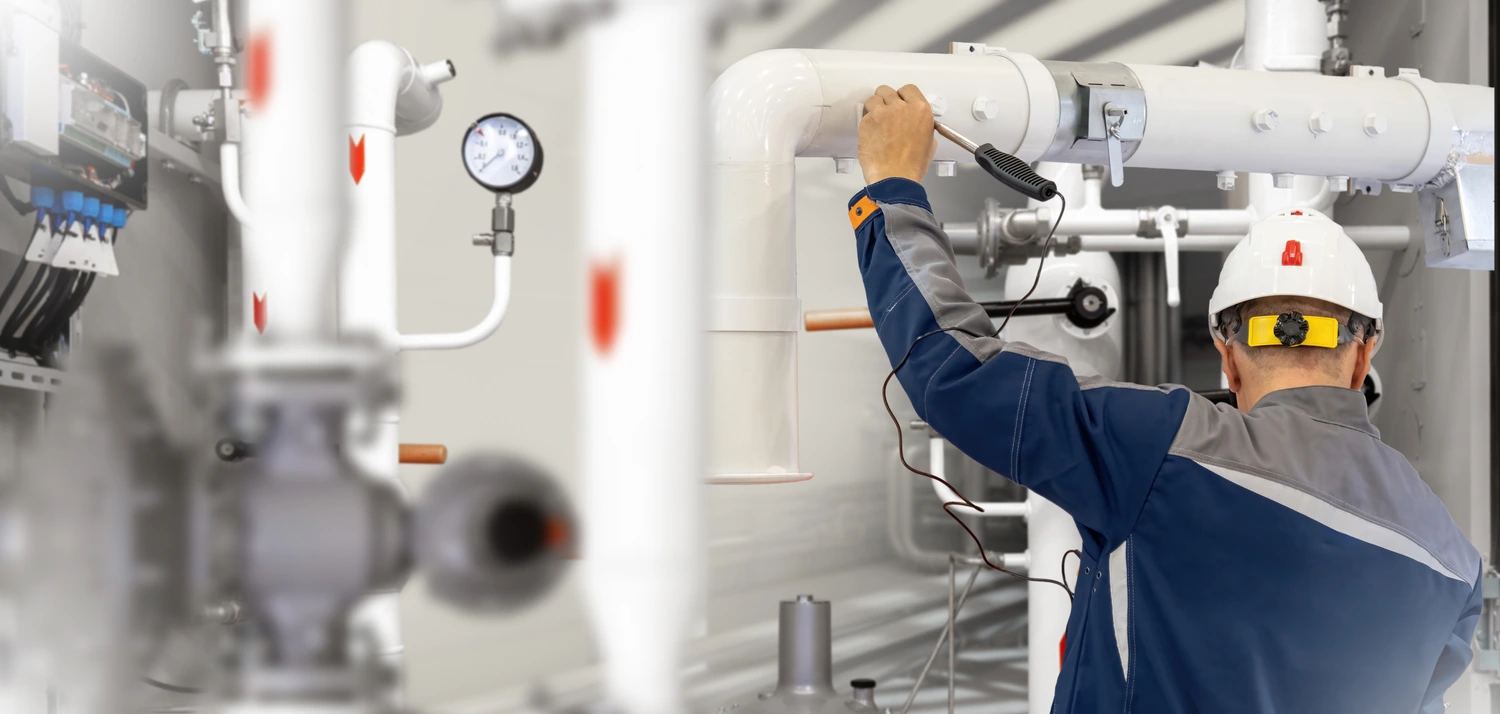
Tank and pipework testing using pressure and/or vacuum methods is a specialist site service used to assess the integrity of containment systems where assurance is required. The service is applied to tanks and associated pipework to help identify leakage, loss of containment, or other integrity concerns that may affect safe operation.
Overview
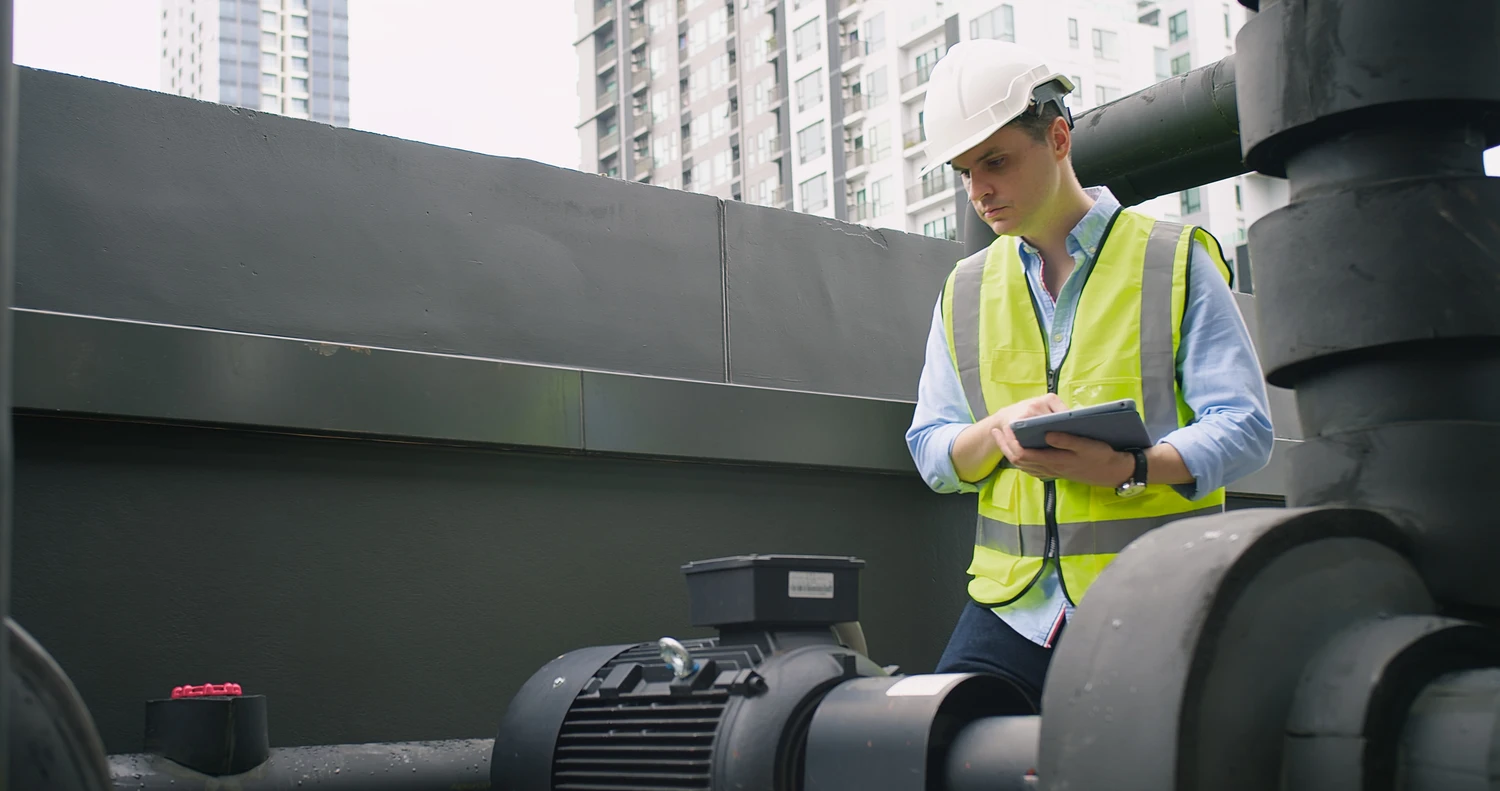
Testing is undertaken where confirmation of system integrity is needed, rather than assumed. The exact test method, objective, and parameters are not fixed and are agreed for each system. These are typically determined based on the type of asset, the fluid involved, the system configuration, and client or site-specific requirements.
Pressure or vacuum testing may be used as part of this service, either independently or in combination, where appropriate. Any reference to testing approaches is illustrative only. The final scope, boundaries, and acceptance approach are defined during planning and documented within the agreed method statement.
This service supports evidence-based decision-making by providing measured information about system performance under controlled conditions, without implying compliance or fitness for continued use.

Why this service matters
Loss of containment from tanks or pipework can have operational, environmental, and safety implications. In many cases, concerns arise gradually, through unexplained losses, suspected ingress, or changes following maintenance or modification.
Integrity testing may be required where there is a need to understand whether a system is performing as intended. This can include situations before commissioning, following repair works, or where ongoing assurance is needed to support operational confidence.
Pressure and vacuum testing can help provide objective information about system behaviour under defined conditions. This allows asset owners and operators to make informed decisions about maintenance, investigation, or further action, based on evidence rather than assumption.
The value of the service lies in supporting assurance and risk management. Outcomes depend on the agreed scope and test objectives and do not imply prevention, compliance, or regulatory approval.

Scope
Agreement of test scope, objectives, and system boundaries

Review
Review of available drawings, records, and site constraints

Preparation
Isolation and preparation of the defined test section, subject to site controls

Application
Application of pressure and/or vacuum using an agreed method

Monitoring
Monitoring over an agreed stabilisation and hold period

Observation
Observation and recording of system behaviour

Reinstatement
Controlled depressurisation and reinstatement of the system

Systems and Assets Covered
This service may be applied to a range of containment systems, subject to confirmation during scoping. These can include:
• Tanks and associated pipework forming part of fuel or fluid storage and transfer systems
• Above-ground and, where agreed, below-ground assets
• Discrete test sections defined by valves, joints, or other isolation points
System materials, sizes, layouts, and configurations are not assumed. Applicability is confirmed on a case-by-case basis based on access, condition, and test objectives.

Safety and Governance
All testing is carried out under agreed safe systems of work. Site permits, isolation requirements, and risk controls are defined for each location and testing approach.
Additional controls may apply depending on whether pressure or vacuum testing is used, the stored medium, and the system condition. Where applicable, relevant standards or guidance are considered as part of planning, but no assumptions are made unless confirmed within the agreed scope.

Evidence and Reporting
Reporting typically provides a clear record of what was tested and how. This commonly includes:
• Identification of the assets and test boundaries
• Test parameters as agreed during scoping
• Recorded observations and results from the test period
The format, level of detail, and documentation requirements are agreed with the client in advance. Where requested, additional records such as photographs, drawings, or data logs may be provided to support internal review or assurance processes.
Planned vs Reactive Use
Planned use
Planned use may form part of scheduled assurance activities, installation sign-off processes, or pre- and post-maintenance checks.
Reactive use
Reactive use may be appropriate where integrity concerns arise, such as unexplained losses or suspected leakage.
Related services


What happens next?
To progress tank or pipework testing, the next step is to discuss system details and testing objectives with LCM Environmental. Clients are encouraged to share any available drawings or asset information to support scoping. From there, the scope, test method, access requirements, safety controls, and reporting expectations can be agreed before works commence.