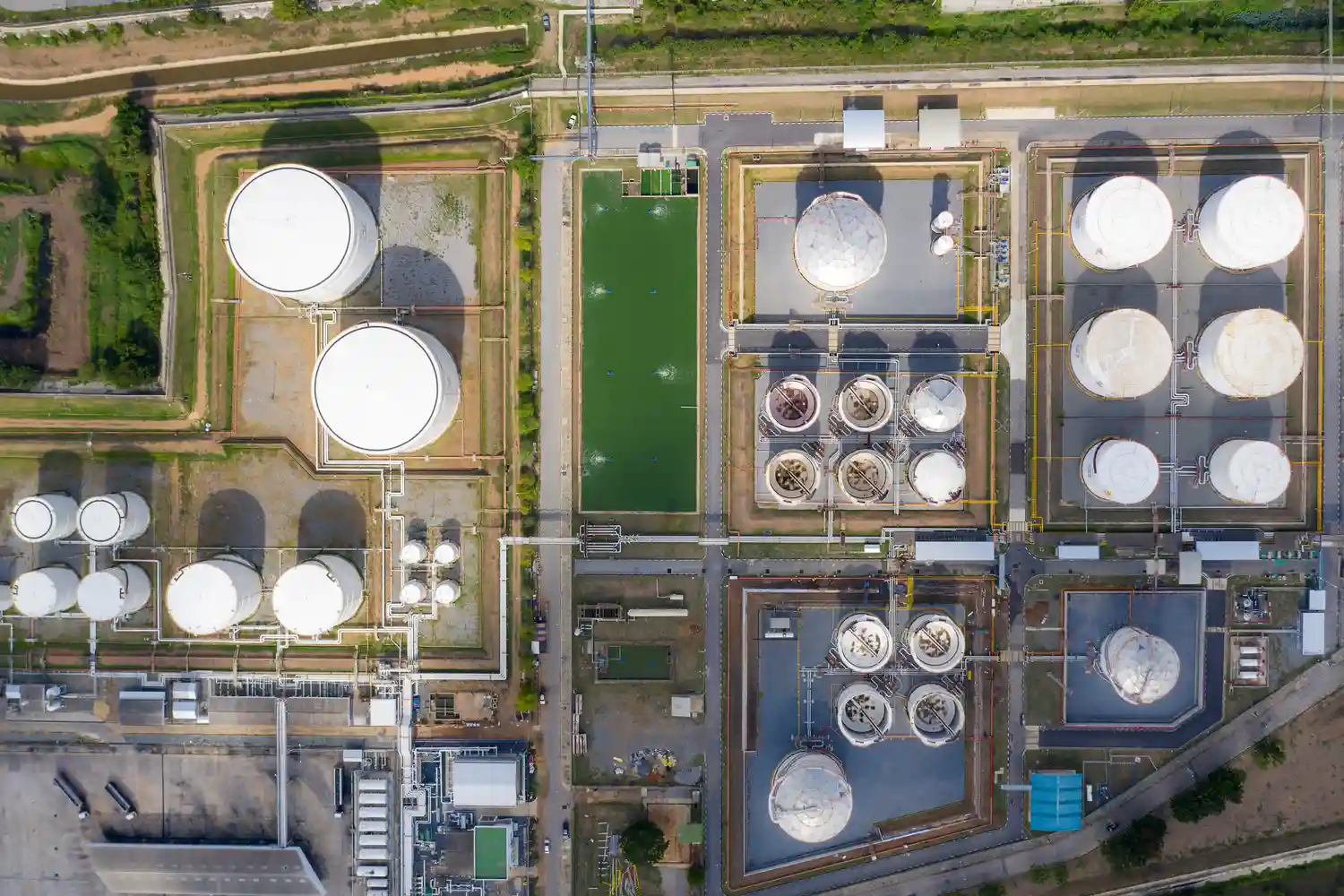
Tank & Pipework Leak Detection Systems
LCM Environmental provides tank and pipework leak detection systems as part of a broader loss investigation and asset integrity support offering. The service focuses on identifying potential integrity failures within storage tanks and associated pipework systems, helping asset owners understand where losses may be occurring and why.


Overview
Leak detection activities are typically used to support early identification of leaks or unexplained product losses, particularly where systems are buried, enclosed, or remain live during normal operations.
By establishing clearer visibility of asset condition and performance, the service supports informed decision-making around maintenance, repair, or further investigation.
Depending on site requirements, leak detection may form part of a planned monitoring approach or be deployed reactively following suspected loss, alarms, or balance discrepancies. In all cases, the emphasis is on proportionate investigation, environmental risk reduction, and practical outcomes rather than intrusive or unnecessary intervention.

Why this service matters
Undetected losses from tanks or pipework can present a range of risks, including environmental contamination, regulatory scrutiny, financial loss, and operational disruption. Where assets are buried, inaccessible, or operating continuously, small failures can remain hidden for extended periods.
Early identification of leaks or integrity issues can help reduce the scale and impact of potential incidents. It also supports asset owners when responding to internal audits, insurer queries, or regulatory engagement by demonstrating that reasonable steps are being taken to understand and manage risk.
Leak detection is often most valuable where traditional visual inspection is limited, or where historic records, legacy installations, or site constraints create uncertainty around system condition.

Review
An initial review of the asset type, site conditions, and operational context

Risk
Consideration of the risk profile and likely loss mechanisms

Selection
Selection of an appropriate leak detection or investigation approach

Deployment
Deployment of monitoring, testing, or investigative techniques where appropriate

Assessment
Assessment of findings in the context of site operations

Reporting
Clear reporting, with proportionate recommendations for next steps

Compliance, Standards & Governance
Leak detection supports good environmental management and loss prevention practices. Works are undertaken with regard to site-specific requirements, operational controls, and relevant environmental guidance where applicable.
The service does not imply certification, regulatory approval, or compliance sign-off unless explicitly agreed as part of a wider scope. Findings are intended to support informed decision-making rather than act as a substitute for formal regulatory processes.

Typical Use Environments
Subject to site assessment, leak detection systems may be applied within environments such as:
• Above-ground storage tank installations
• Below-ground or partially buried storage systems
• Fuel, oil, or chemical transfer pipework
• Plant rooms, depots, or industrial compounds
The confirmed scope is agreed on a case-by-case basis.
Planned vs Reactive Use
Planned use
Periodic monitoring of higher-risk assets
Baseline checks to support asset management
Investigation following suspected loss, alarms, or discrepancies
Technical input to support wider decisions
Reactive use
The service is investigative in nature and does not constitute emergency response.
Related services


What happens next?
The next step is typically an initial discussion to understand the asset, site conditions, and investigation objectives. From there, a proportionate scope and approach can be agreed, followed by planned delivery aligned with operational and access constraints.