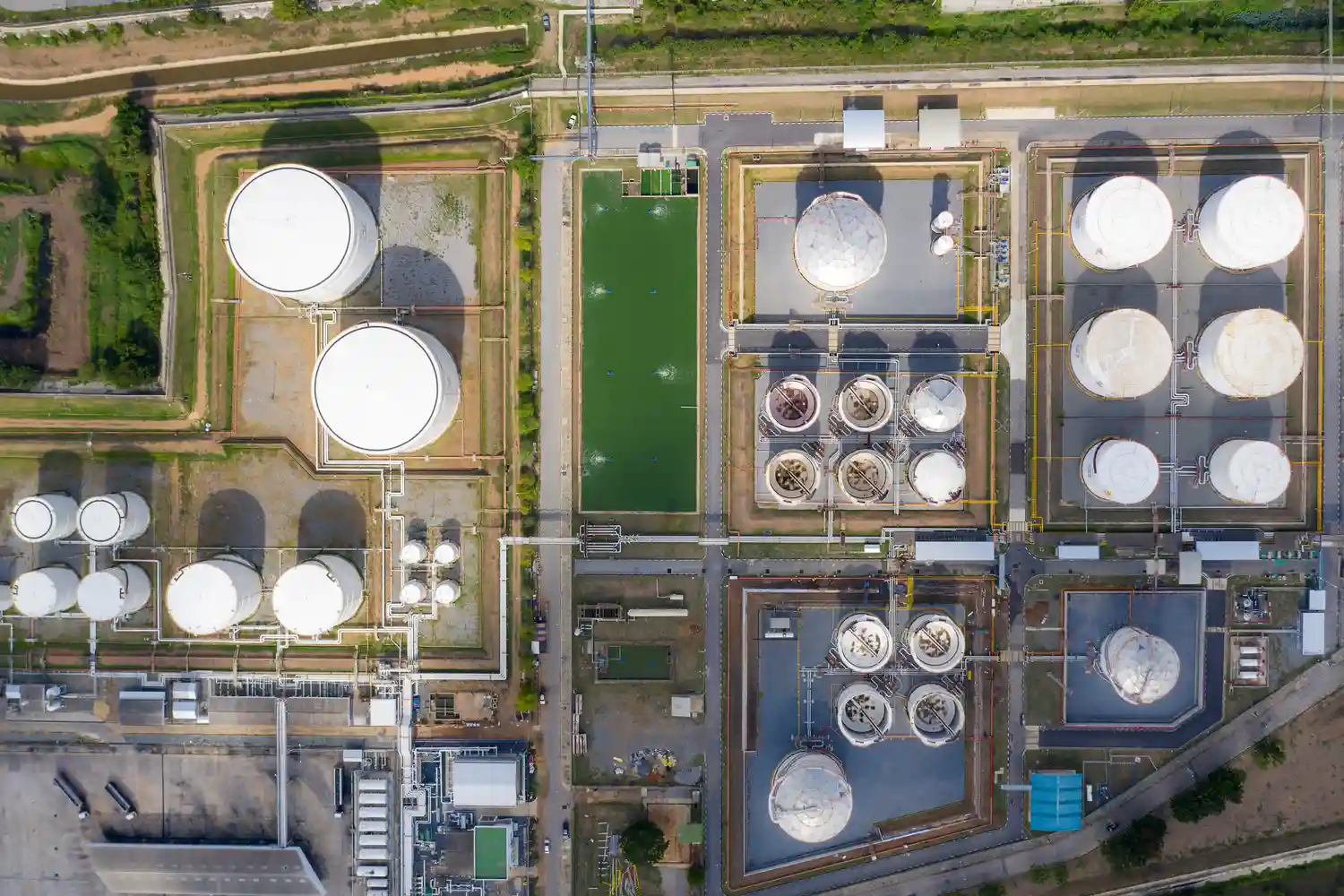
Why Regular Fuel Sampling Is Essential for Stored Fuel

Stored fuel can appear to be doing nothing. It sits in a tank, sometimes for months, waiting to supply a generator, boiler, fleet or piece of critical equipment. But fuel does not remain unchanged simply because it is not being used.
Water, sediment and microbial activity can develop without producing an obvious warning at ground level. By the time blocked filters, poor combustion or equipment faults appear, the fuel may already require treatment.
Regular sampling provides a clearer view of what is happening inside the tank, allowing action to be based on evidence rather than assumption.
Why stored fuel degrades
Fuel quality can change naturally over time, particularly where turnover is low. Exposure to oxygen, temperature changes and contaminants introduced during storage or delivery can gradually affect its condition.
This is particularly relevant to standby systems. A generator may run briefly during routine testing, but that does not necessarily provide a complete picture of the fuel held across the tank. Contamination often accumulates towards the bottom, while the fuel entering the equipment may be drawn from elsewhere in the system.
For this reason, many critical infrastructure sites, including hospitals and data centres, use permanent fuel recirculation systems. These keep fuel moving rather than allowing it to sit static for long periods, helping to reduce the conditions in which bacterial growth and condensation can develop.
Fuel recirculation does not remove the need for regular sampling, but it can help control some of the factors that contribute to contamination before they become a wider operational issue.
The Energy Institute identifies reduced stability, increased particulate contamination, corrosion and flow restriction among the potential effects of microbial contamination. It also highlights stored diesel used for backup generation as an area where fuel deterioration can compromise operational reliability.
Water creates the conditions for wider problems
Water is one of the most common concerns within stored fuel. It may enter through damaged seals or filling arrangements, but it can also develop through condensation as temperatures change.
Because water is heavier than diesel, it tends to settle at the bottom of a tank. This makes it easy to miss during a visual check from the fill point. Left unmanaged, it can contribute to internal corrosion, affect fuel performance and create an environment in which microorganisms can develop.
Finding water does not automatically reveal how it entered the system, but it provides an early signal that further investigation or corrective work may be needed.
Microbial growth is not always visible
Bacteria, yeasts and fungi can grow where water and fuel meet, creating the contamination commonly described as diesel bug. As this material develops, it can form sludge or biomass within the tank and fuel lines.
The first noticeable sign may be repeated filter blockages, inconsistent equipment performance or dark material found during maintenance. At that stage, simply replacing a filter may deal with the symptom without addressing the source.
Laboratory testing can help identify microbial activity before it develops into a more disruptive problem. This is especially important where fuel supports emergency power, critical infrastructure or equipment that may need to operate reliably with little notice.
Sediment can build up quietly
Particulate contamination can enter during fuel deliveries, develop as fuel ages or arise from corrosion and deterioration within the storage system. Over time, heavier material settles at the base of the tank.
It may remain there while the system is operating normally, then become disturbed during a delivery, tank movement or period of heavy demand. Once drawn into the fuel line, sediment can block filters, affect pumps and contribute to unreliable combustion.
Sampling from appropriate points is therefore important. A surface-level sample may look clear while failing to represent conditions lower in the tank.
How often should stored fuel be tested?
There is no single testing interval that is right for every site. The appropriate frequency depends on how the fuel is stored, how quickly it turns over and how important it is to the operation.
A tank supplying regularly used vehicles will behave differently from one holding diesel for an emergency generator. Low-turnover storage, critical standby systems, previous contamination, known water ingress and changes in equipment performance may all justify closer monitoring.
Fuel should also be considered following unusual events, such as flooding, suspected water ingress, a questionable delivery or recurring filter problems.
A planned sampling schedule can be agreed around the level of risk, rather than waiting for an equipment fault to trigger an investigation.
What professional fuel sampling involves
Professional sampling involves more than removing a small amount of fuel from the easiest available point. The tank layout, fuel type, purpose of the assessment and likely location of contaminants should all influence the approach.
LCM Environmental’s fuel sampling service includes:
- Initial scoping of the requirement
- Agreement on representative sampling points
- Collection of fuel samples
- Laboratory analysis where required
- Assessment for water, particulate contamination, microbial activity and fuel degradation
- Sampling across bulk tanks, generator base tanks and day tanks
The results provide a more informed basis for deciding what happens next. Fuel may remain suitable for use, require continued monitoring or need a targeted intervention.
Where contamination is confirmed, fuel polishing may be used to circulate the stored fuel through filtration and water-separation equipment, subject to the tank condition and agreed scope.
Test the fuel before it is needed
Stored fuel is often relied upon precisely when normal operations have already been disrupted. That is the worst time to discover that its condition has been deteriorating unnoticed.
Regular sampling gives facilities, estates and operations teams evidence about fuel quality before it reaches connected equipment. It can reveal developing contamination, support more focused maintenance and reduce the chance of unnecessary treatment based on guesswork.
The purpose is not to test fuel for the sake of producing another report. It is to know whether the fuel being relied upon is in the condition the operation expects it to be.
Similar news

How Often Should Commercial Fuel Tanks Be Cleaned?