Civil Engineering
Civil engineering and groundworks for tanks, pipework, pumps, drainage, separators and containment on commercial and industrial sites.
Overview
LCM provides civil engineering and groundworks support for fuel, drainage, containment and environmental infrastructure projects.
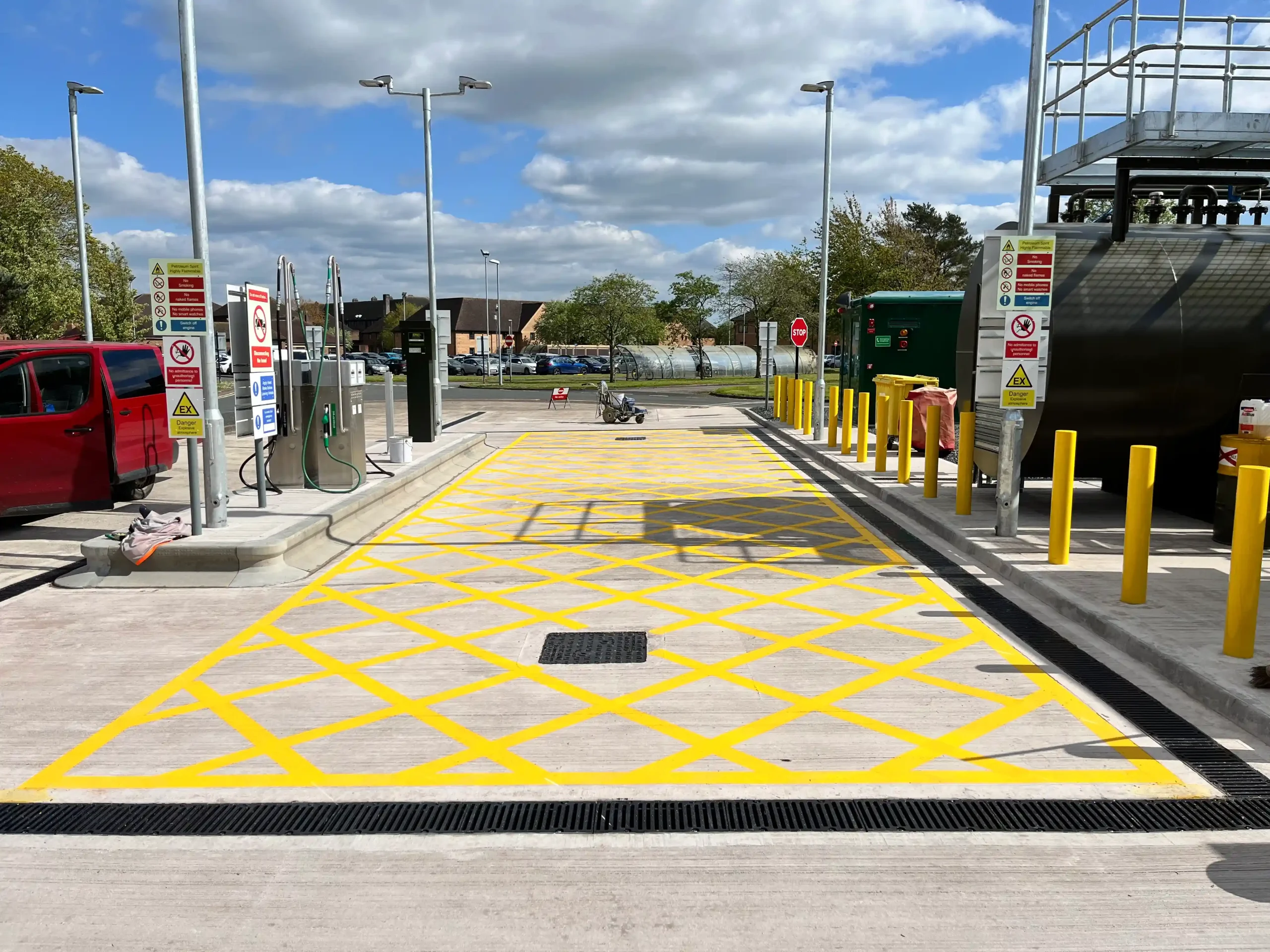
This includes preparation works for fuel pumps, tanks, pipework, fuel systems, drainage, separators, pump islands, barriers and containment areas. Works can also support environmental safeguards and remediation interfaces where site conditions require them.
Civil engineering is often one of the first practical stages in a fuel infrastructure project. The quality of these works affects installation, access, drainage, safety controls and long-term asset performance.
LCM works with commercial, industrial and public sector clients that need structured delivery, clear planning and evidence-led handover. Our role is to help prepare sites correctly, manage ground-level risks and support infrastructure works that need to operate safely within real site constraints.
Impact
Civil engineering works help create the conditions for safe and reliable fuel infrastructure.
Poor site preparation can affect access, drainage, containment, pipe routes, pump installation and future maintenance. It can also create avoidable disruption if buried services, excavation risks or environmental controls are not considered early enough.
For operational sites, the impact is wider than the groundworks themselves. Works may need to be planned around live infrastructure, restricted access, vehicle movements, permit controls, shutdown windows and environmental risk areas.
A controlled civil engineering approach can help clients:
- Prepare sites for fuel tank, pump and pipework installation
- Support safe access and working areas
- Manage drainage, separator and containment requirements
- Reduce avoidable disruption during infrastructure works
- Create clearer records for handover, maintenance and audit purposes
- Support environmental protection where fuel or contaminated ground is involved
The aim is to deliver practical groundworks that support compliance, continuity and long-term site reliability.

Site review and planning
Before works begin, the site is reviewed against the intended infrastructure requirement. This may include access, ground conditions, buried services, drainage routes, fuel system interfaces, containment needs and operational restrictions. Where required, planning may also consider permit controls, excavation safety, traffic management, environmental risk and sequencing around other contractors.

Ground preparation and excavation
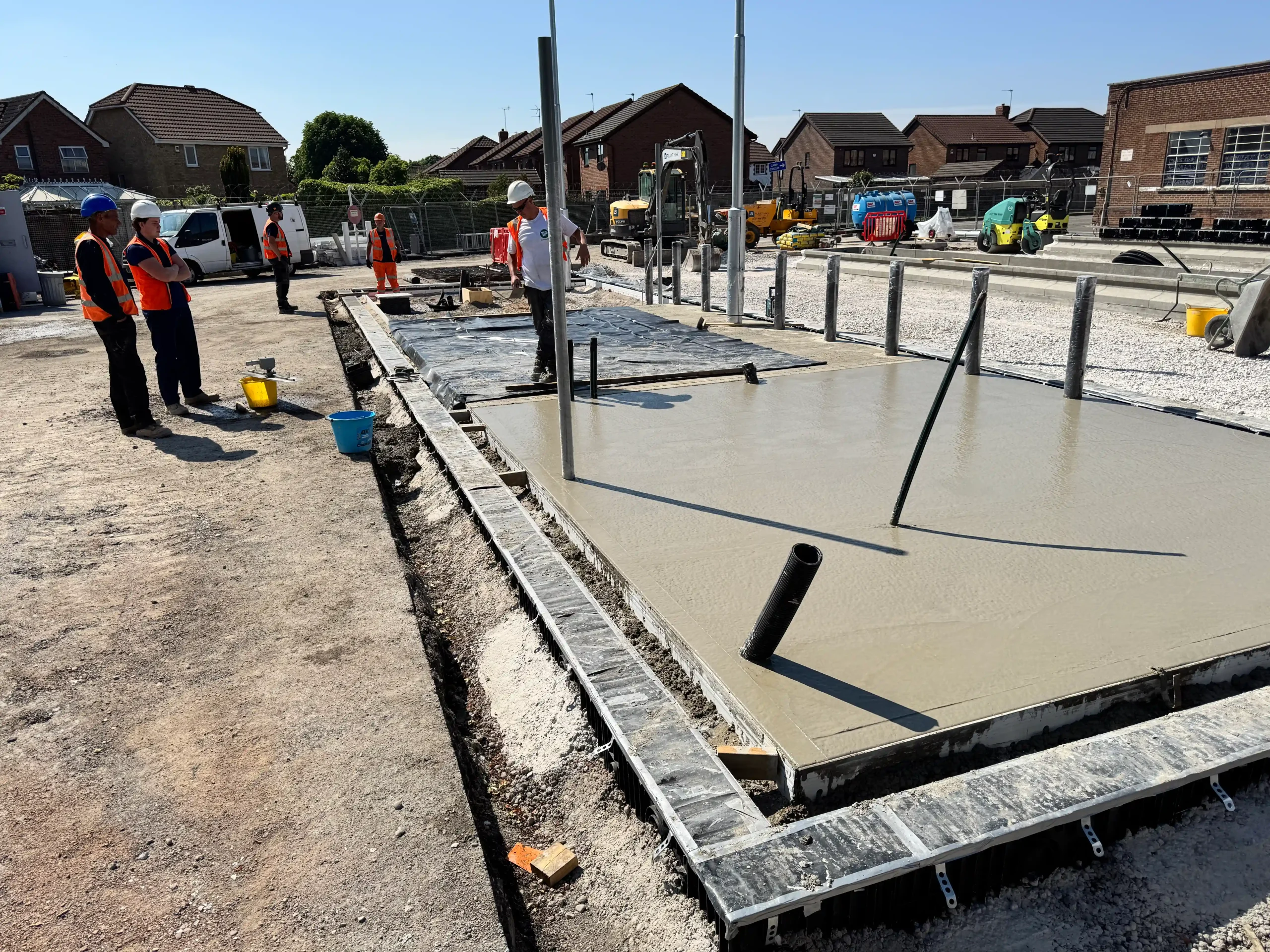
LCM can support ground preparation for fuel and environmental infrastructure. This may include excavation, trenching, formation works, ducting routes and preparation for tanks, pipework, pumps, islands or containment areas. Works are planned to suit the project scope and the condition of the site.

Drainage, separators and environmental controls
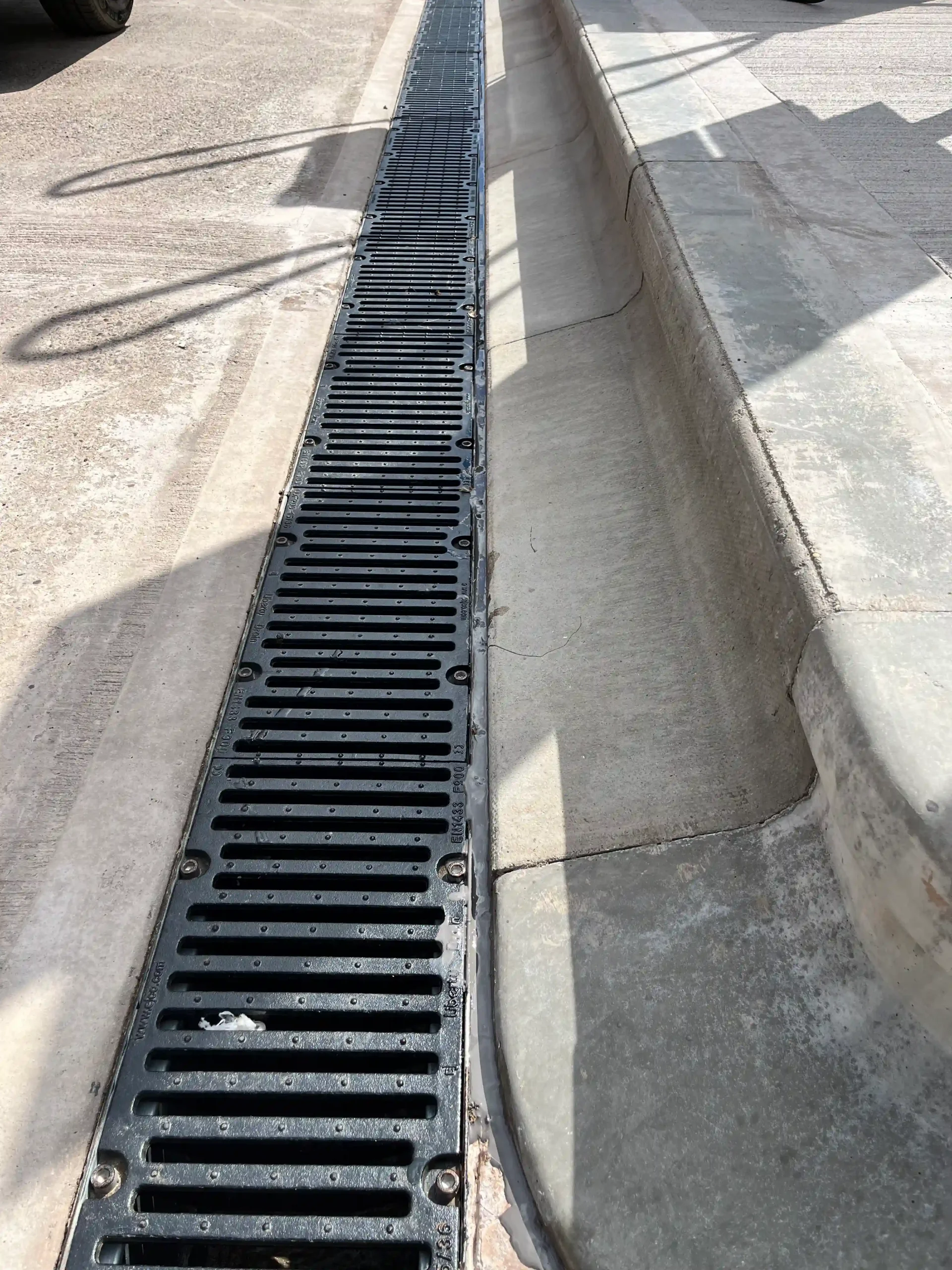
Fuel infrastructure often interacts with drainage and pollution prevention systems. Civil works may include preparation or installation support for drainage runs, separators, containment features or associated environmental safeguards. Where contamination or legacy infrastructure is present, civil works may also interface with remediation planning and waste handling requirements.

Fuel infrastructure preparation
Civil engineering works can prepare the site for tanks, pipework, pump systems, barriers and associated equipment. This may include bases, trenches, ducts, access areas and protective features needed for installation and operation. The focus is to provide a stable, practical and coordinated foundation for the wider fuel infrastructure project.

Containment and protection works
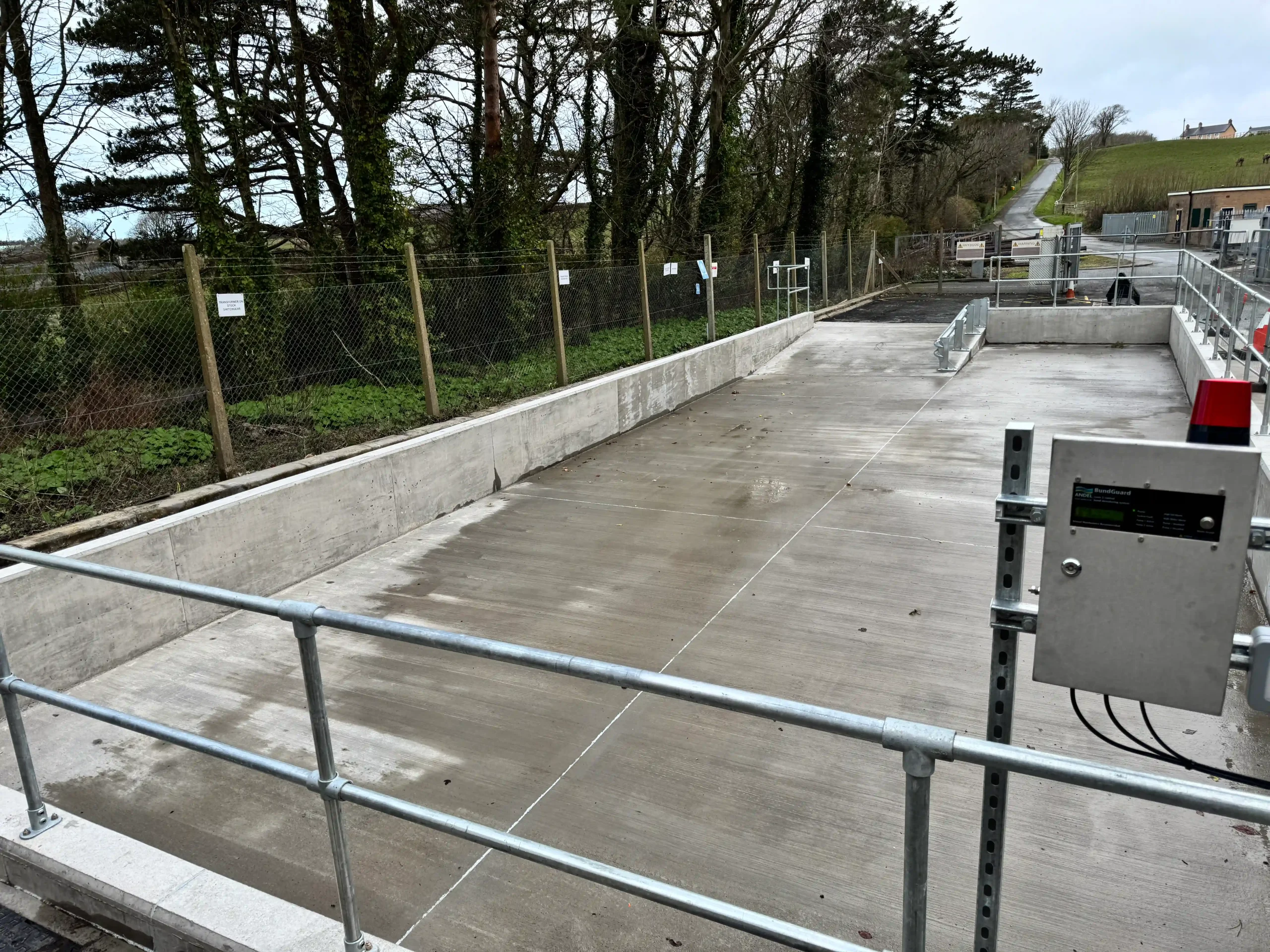
Where fuel storage, transfer or operational risk requires containment, civil works can support bunded areas, barriers, surface preparation and other protective measures. These works help reduce the risk of uncontrolled releases reaching sensitive areas, drainage systems or the wider environment.

Handover and project records
On completion, documentation can be provided where required to support site records, internal governance and future maintenance. This may include photographs, marked-up information, waste transfer records, inspection notes or other project-specific handover information, depending on the agreed scope.

Compliance, Standards & Governance
Civil engineering for fuel infrastructure often sits alongside safety, environmental and construction governance requirements.
LCM plans works with attention to the controls that apply to the site and project. This may include, where applicable:
- CDM duties and construction phase coordination
- Excavation safety and buried service controls
- Permit-to-work requirements
- Drainage and separator considerations
- Oil storage and containment requirements
- Environmental protection measures
- Waste handling and disposal controls
- Remediation interfaces where contamination is present
- Handover records to support audit and maintenance planning
Specific documentation, testing and reporting requirements depend on the project scope, site conditions and client governance requirements.
Named accreditations, memberships or operating entity details should be confirmed before publication if they are to be included on this page.
Typical Use Environments
LCM supports civil engineering works across operational and project-led environments, including:
- Commercial fuel storage and distribution sites
- Industrial facilities
- Public sector estates
- Logistics yards and depots
- Refuelling areas
- Healthcare and utilities sites
- Data centres and critical infrastructure
- Forecourts, terminals and commercial fuel installations
- Sites requiring drainage, separator or containment improvements
- Sites where remediation or environmental safeguards are required
Each environment brings different constraints. These may include access restrictions, vehicle movements, live services, fuel system interfaces, environmental sensitivity and limited working windows.
Planned vs Reactive Use
Planned use
Planned works allow time to review ground conditions, buried services, drainage, containment, access and sequencing. This supports smoother installation of tanks, pipework, pumps, separators and associated infrastructure.
Reactive use
Reactive works may be required when site conditions change, contamination is identified, infrastructure fails or remediation becomes necessary. In these cases, the priority is to make the area safe, understand the ground-level risks and coordinate works with the wider operational or environmental response.


What happens next?
If bund cleaning may be required at your site, the next step is an initial discussion to confirm the bund type, contents, access, and operating constraints. From there, a site-appropriate scope can be defined before any mobilisation is agreed. This approach is intended to support informed decision-making and controlled delivery, without assumptions about condition or regulatory status.