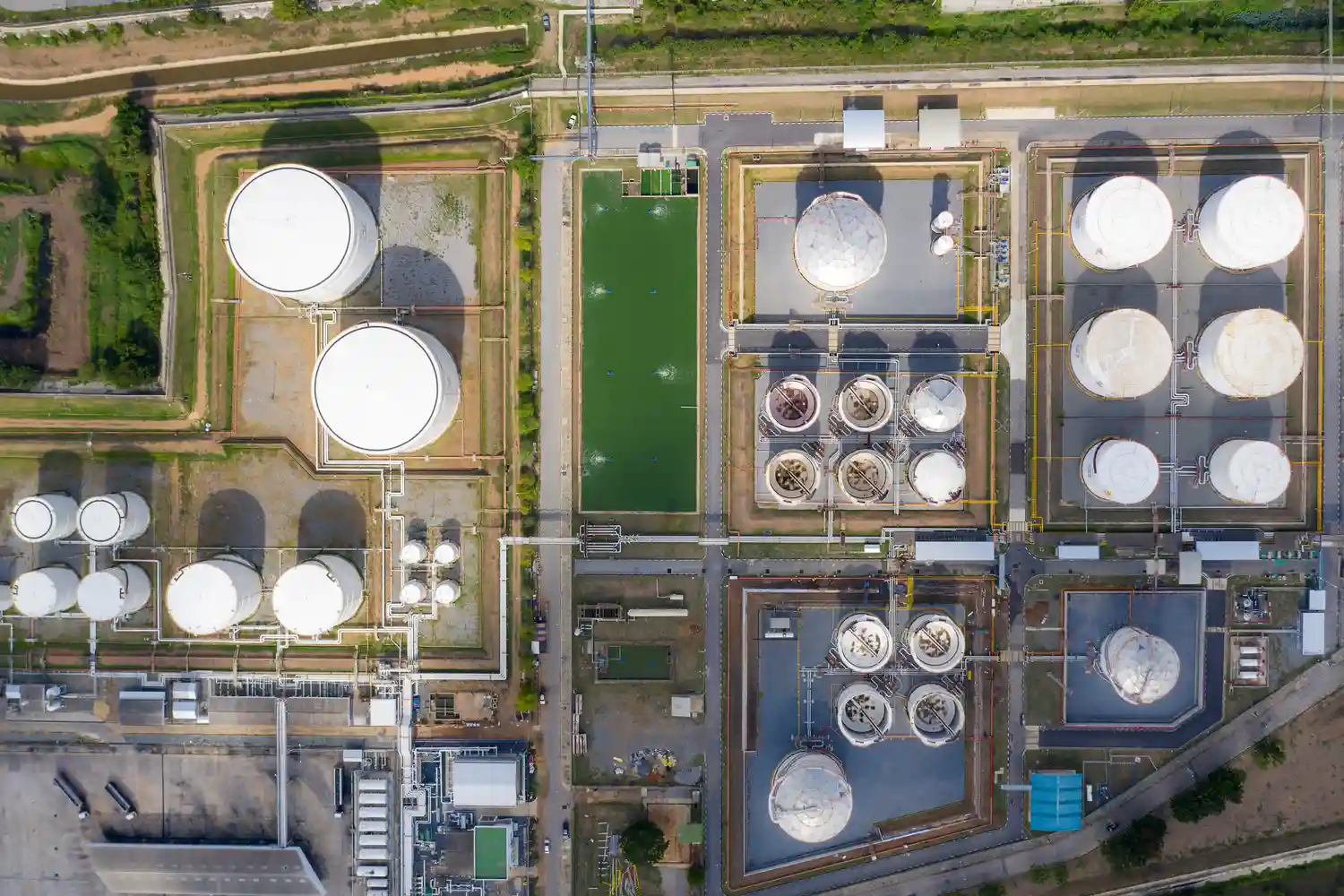
Fuel Filtering
Fuel Filtering is a service focused on improving the condition of stored fuel by removing contamination so it remains suitable for use in downstream equipment such as generators, burners, pumps, or plant systems.


Overview
LCM Environmental position Fuel Filtering as a defined, job-specific intervention rather than a full fuel polishing package.
In the wider market, the terms “fuel filtering” and “fuel polishing” are often used interchangeably. LCM uses Fuel Filtering to describe a more limited, targeted scope of work, agreed during site scoping to address identified or anticipated fuel condition risks.
The service is typically applied where stored fuel shows signs of contamination associated with storage conditions, age, or operational use. Outcomes are framed around risk reduction and condition improvement, rather than guarantees of restoration or compliance against fuel standards.
The exact approach taken for Fuel Filtering is confirmed on a per-job basis following site assessment. Depending on requirements, this may involve particulate filtration alone or may include water separation where agreed. Fuel Filtering does not automatically include laboratory testing, microbial treatment, chemical dosing, or certification unless these elements are explicitly scoped as part of the works.

Impact
Stored fuel can degrade over time or become contaminated through normal storage and handling. Common issues may include particulate matter, water ingress, or the accumulation of sludge at tank bottoms.
If unmanaged, these conditions can increase the likelihood of blocked filters, reduced combustion efficiency, or unreliable operation of fuel-dependent equipment.
Fuel Filtering is used to help manage these risks by improving fuel condition within an agreed scope. It is not positioned as a corrective measure for all fuel quality problems, but as a practical intervention to reduce the impact of contamination commonly encountered in storage systems.
For organisations relying on standby or critical-use equipment, fuel condition is often a supporting factor in overall operational resilience. Fuel Filtering can form part of a broader maintenance or asset management approach, helping to reduce the likelihood of avoidable fuel-related issues while maintaining clear boundaries around what the service does and does not include

Site scoping and scope definition
Review of fuel type, storage arrangement, access points, estimated volumes, and agreement on what “fuel filtering” means for that specific job.

Targeted fuel circulation or extraction
Fuel is typically circulated or extracted from areas where contamination is most likely to accumulate, based on the storage configuration and agreed approach.

Filtration process
Application of appropriate filtration stages aligned with the defined scope, such as particulate removal and, where agreed, water separation.

Testing and commissioning
Electrical testing, system checks, and commissioning activities prior to activation.

Waste handling (where applicable)
Removed contaminants are handled in line with agreed arrangements and site-specific controls.

Service reporting
Provision of records or observations appropriate to the scope of works carried out.

Compliance, Standards & Governance
Fuel Filtering works are planned and delivered with due regard for the risks associated with handling flammable liquids. Activities are managed under site-specific controls, permits, and method statements where required.
Fuel condition requirements are typically client- or application-specific and are considered during the scoping stage. The service does not claim compliance with any fuel standards or specifications unless this is separately agreed and supported by additional services.
Where applicable, documentation is provided to support audit trails, maintenance records, or internal governance processes, aligned with the defined scope of work.

Typical Use Environments
Fuel Filtering is typically applied in environments such as:
• Bulk fuel storage tanks or day tanks
• Installations supporting standby or critical-use equipment
• Sites where fuel is stored for extended periods before use
The service is not presented as universally applicable and is assessed for suitability on a site-by-site basis.
Planned vs Reactive Use
Planned use
Planned maintenance activity.
Fuel condition management.
Reactive use
Fuel quality concerns.
Operational issues.
Observations during inspections or testing.
Related services


What happens next?
The next step is an initial discussion to confirm the basics of the fuel system and the required scope of work. This approach ensures the service is aligned with site conditions and expectations before any works are undertaken.