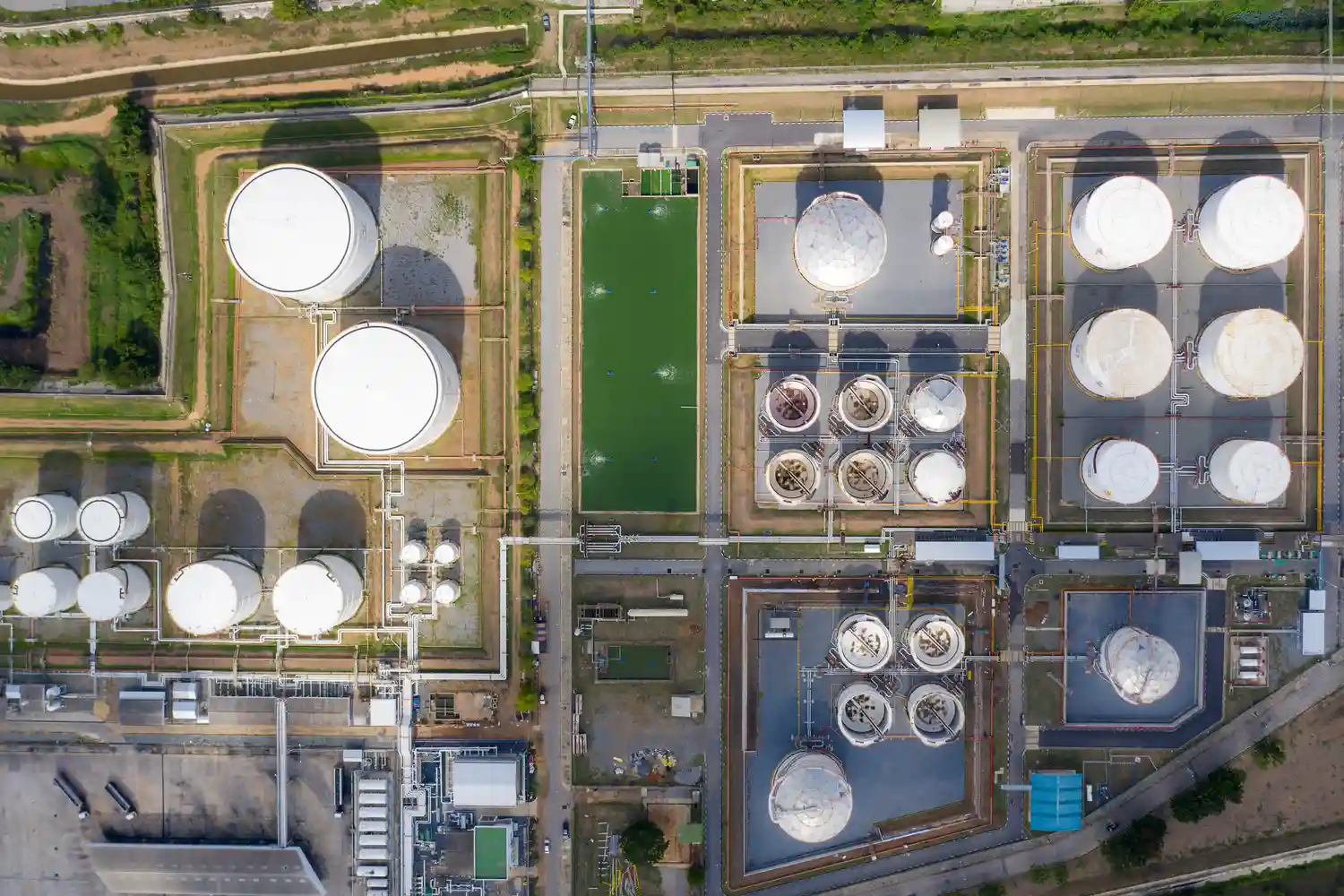
Fuel Polishing
Fuel polishing is an on-site process used to improve the condition of stored fuel by circulating it through filtration and water separation equipment. The service is designed to remove contaminants such as free water, particulate matter, sludge and microbial biomass, typically without draining or removing the entire fuel volume from the tank.

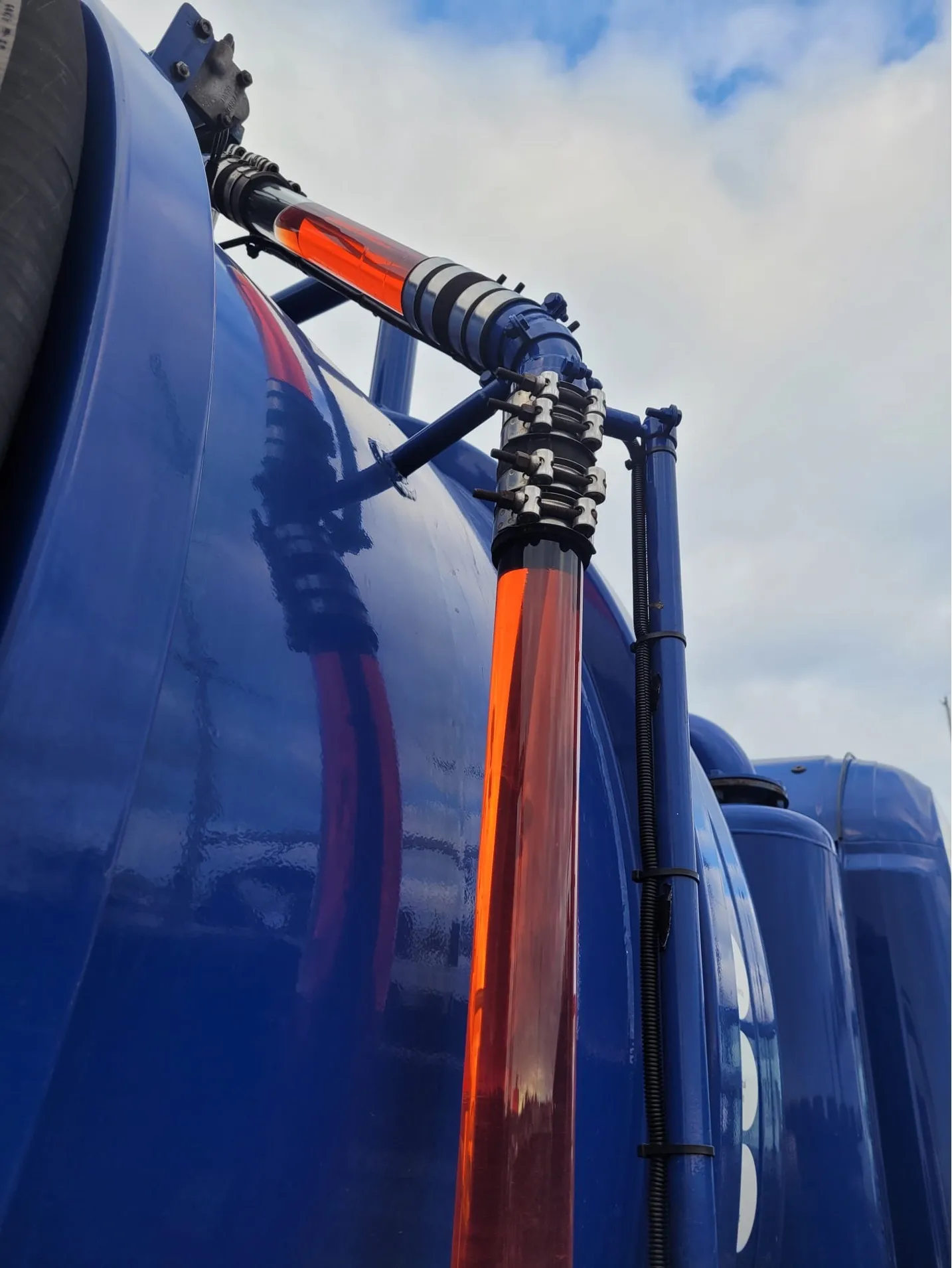
Overview
Stored fuels, particularly diesel, can degrade over time where turnover is low. Condensation, ingress, and natural ageing can introduce water and solids, creating conditions for microbial growth and sediment build-up.
These issues may not be visible from routine operation but can affect the reliability of generators, burners and associated fuel systems when they are called upon.
Fuel polishing is used both as a reactive intervention where contamination is suspected or confirmed, and as a preventative measure within a broader fuel quality management approach. The service is delivered on a site-specific basis and is intended to support operational reliability, protect connected equipment, and provide greater confidence in the condition of stored fuel used for critical applications.

Why fuel polishing matters
Fuel contamination presents a practical operational risk rather than an abstract quality issue. Water and particulates can block filters, foul injectors and contribute to poor combustion, particularly in standby or infrequently used systems. Microbial growth, often referred to as “diesel bug”, can accelerate these problems and lead to recurring faults.
From a compliance and governance perspective, degraded fuel can undermine maintenance regimes and complicate fault investigation following equipment failure. Where fuel is relied upon for emergency or resilience systems, uncertainty over fuel condition increases business continuity risk.
Fuel polishing helps address these issues by improving fuel condition in situ. While it does not guarantee performance outcomes, it can reduce the likelihood of contamination-related failures and support more predictable operation when fuel systems are required to perform as intended.

Pre-service scoping
Review of tank configuration, access, safety controls and working constraints.

Fuel assessment (where required)
Sampling or condition checks to inform the scope and approach.

Equipment set-up
Installation of mobile filtration and water separation units connected to the tank system.

Circulation and filtration
Controlled circulation of fuel through filtration media until agreed objectives are reached.

Verification and close-out
Post-treatment checks and reporting, subject to the agreed scope.

Compliance, Standards & Governance
Fuel polishing involves handling flammable liquids and is managed under site-specific risk assessments and method statements. Works are planned to align with local safety rules, permit systems and environmental controls.
Where required, documentation can be provided to support audit trails, including records of works undertaken and waste handling arrangements. Testing standards, acceptance criteria and reporting formats are use-case dependent and typically agreed in advance with the client.
Environmental protection, spill prevention and controlled management of removed contaminants are integral considerations throughout delivery, with approaches adapted to the site and regulatory context.

Typical Use Environments
Fuel polishing is commonly applied in environments where fuel is stored for reliability or resilience purposes, including:
• Standby generator fuel systems
• Critical power and resilience infrastructure
• Bulk diesel storage with low or irregular turnover
• Sites where fuel quality concerns have been identified through testing or operation
This list is not exhaustive, and suitability is assessed on a site-by-site basis.
Planned vs Reactive Use
Planned use
Wider fuel management and maintenance.
Maintaining fuel condition over time.
Reducing the likelihood of contamination-related disruption.
Reactive use
Failed fuel tests.
Visible contamination.
Equipment issues linked to fuel quality.
Related services


What happens next?
If fuel polishing may be appropriate for your site, the next step is typically an initial discussion to understand the tank configuration, fuel use profile and any known issues. From there, a site-specific scope can be developed, taking account of safety controls, access, and operational requirements. This allows the service to be planned and delivered in a controlled, auditable manner aligned with your wider fuel management objectives.