Fuel Sampling
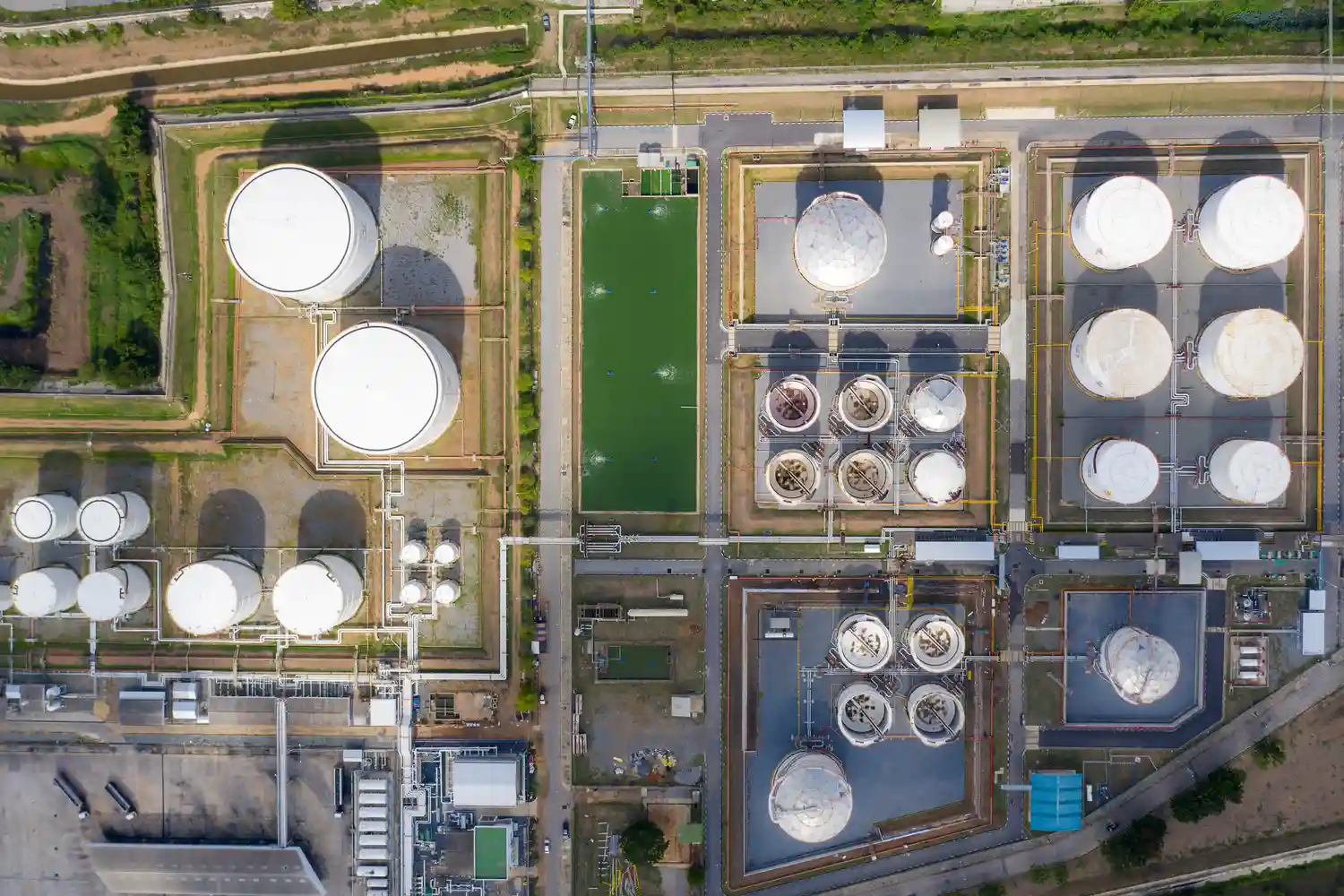
Fuel Sampling is the controlled collection of fuel samples from storage tanks or fuel systems to assess fuel condition and potential contamination risks. It can be delivered as a standalone activity or used as a precursor to further testing, maintenance, or remediation where required.


Overview
The purpose of fuel sampling is to help organisations understand the condition of stored fuel, identify indicators of degradation or contamination, and support evidence-based maintenance decisions.
Sampling can provide insight into whether fuel remains suitable for its intended use or whether further investigation or intervention may be appropriate.
This service can be used both preventatively, as part of planned asset management, and reactively, where concerns have arisen regarding fuel condition or system performance. In the UK context, fuel sampling is commonly applied across commercial and industrial environments where stored fuel supports generators, plant, or other critical infrastructure.
Sampling scope, methodology, and outputs are agreed in advance and aligned to the specific site, system configuration, and client objectives.
Why fuel sampling matters
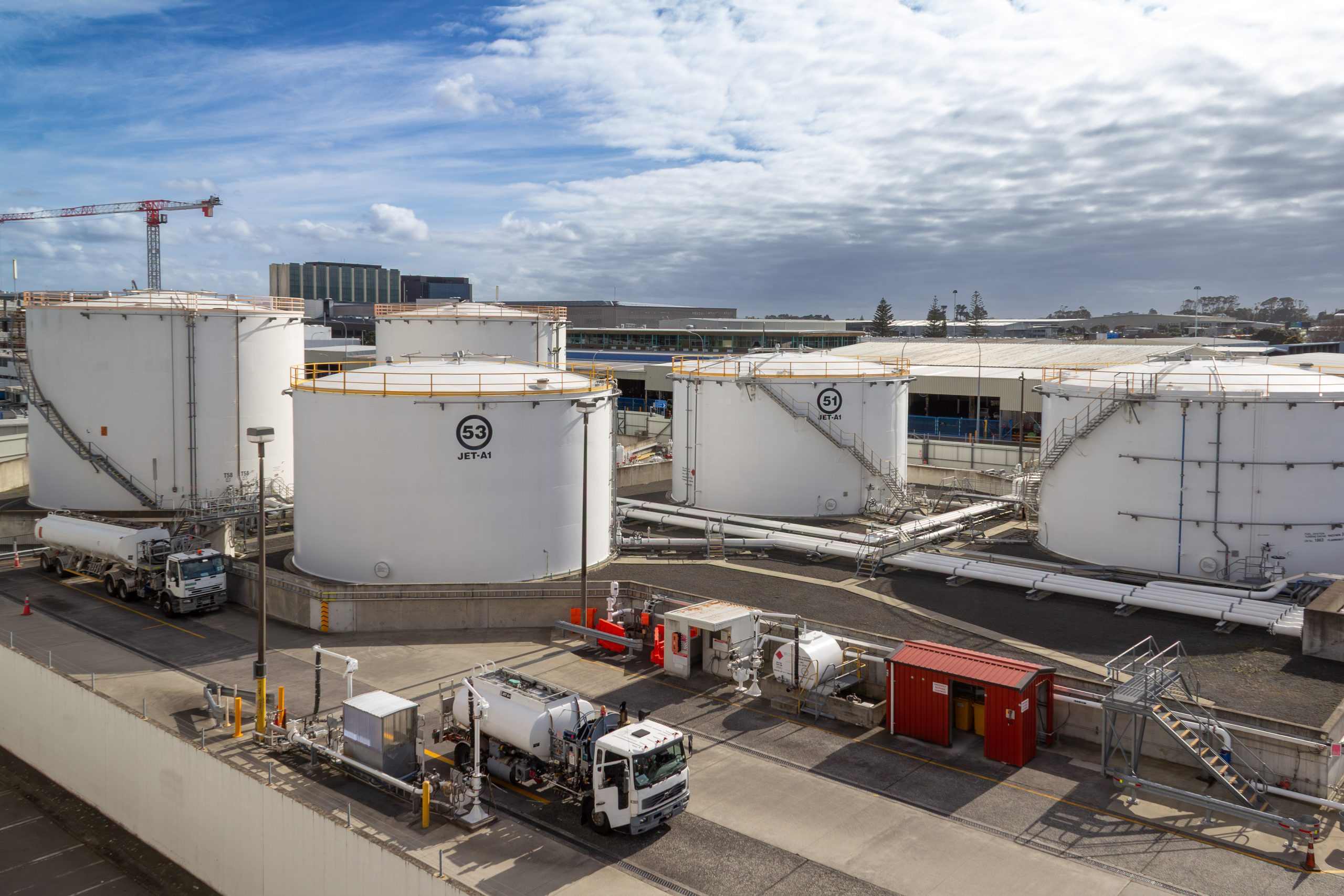
Stored fuel can be affected over time by a range of factors linked to storage conditions, system design, and operational use. Fuel sampling can help identify indicators such as water ingress, particulate contamination, microbial activity, or signs of fuel degradation.
Fuel condition matters because contaminants or degradation may affect the reliability of generators or fuel-fed plant, particularly where systems are expected to operate infrequently but perform immediately when required. In critical environments, uncertainty around fuel condition can introduce avoidable operational risk.
Sampling provides a practical way to gather evidence about fuel condition. The information obtained can be used to inform decisions on whether further testing, treatment, cleaning, or other actions may be appropriate, rather than relying on assumptions or reactive responses after a failure.

Scope
Initial confirmation of scope, including fuel type, tank or system layout, access arrangements, and the purpose of sampling.

Sampling points
Agreement with the client on sampling points and methodology, based on site conditions and objectives.

Collection
On-site collection of fuel samples from agreed locations using appropriate controls.

Labelling
Labelling and controlled handling of samples to maintain identification and traceability.

Further actions
Optional onward actions, where requested, such as laboratory testing or progression into remedial services.

Compliance, Standards & Governance
Fuel sampling is carried out with consideration to relevant UK health, safety, and environmental controls associated with working around fuels and flammable liquids.
Sampling methods can be aligned with recognised industry guidance where applicable, subject to the agreed scope and client requirements. Risk assessments and safe systems of work are applied to reflect site-specific conditions, access constraints, and operational interfaces.

Typical Use Environments
Fuel sampling may be used across a range of settings, which may include:
• Bulk fuel storage tanks.
• Generator base tanks or day tanks.
• Commercial or industrial fuel storage and distribution systems.
The suitability of sampling is confirmed during scoping, based on the system design and operational context.
Planned vs Reactive Use
Planned use
Planned maintenance or monitoring.
Routine oversight of stored fuel condition.
Reactive use
Concerns about fuel quality.
System reliability issues.
Changes in performance.
Related services


What happens next?
The next step is a discussion with LCM to confirm fuel type, system layout, site constraints, and objectives. Based on this information, the sampling approach and any optional additional services are agreed before work begins.