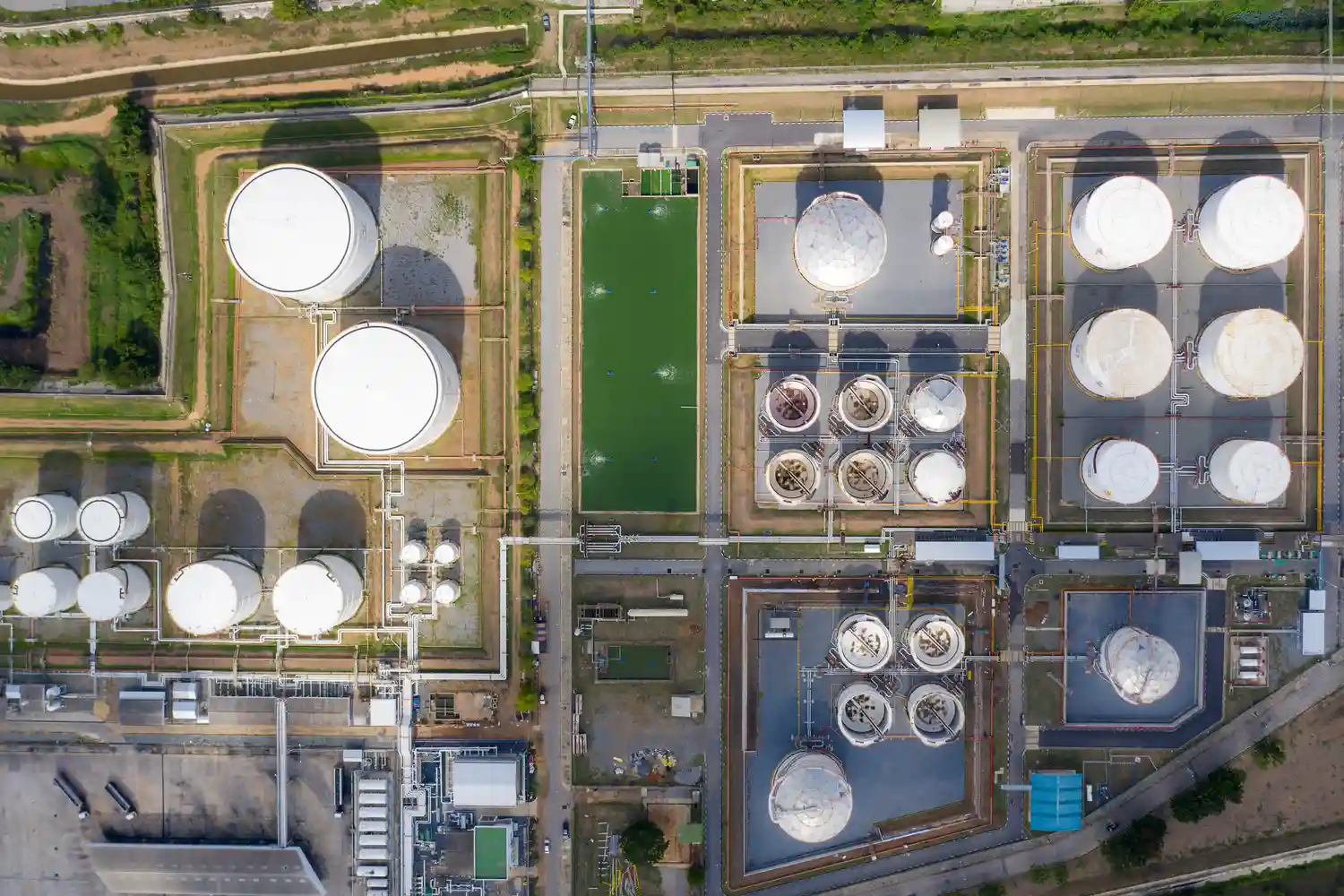
Tanker Services
LCM Environmental’s Tanker Services provide a planned, controlled approach to the transfer, uplift, or delivery of fuel and other liquid materials using road-based tankers. The service is designed to support maintenance, decommissioning, and environmental control activities where fixed pipework or permanent containment is not suitable or available.


Overview
Tanker operations are typically integrated into wider site works, such as tank maintenance, system changeovers, or managed fuel movements.
Activities are planned in advance, with scope defined around the nature of the liquid, estimated volumes, access constraints, and site controls. This allows liquid movements to be carried out in a controlled manner that supports compliance and reduces operational risk.
The service is positioned as part of a governed delivery model rather than a reactive response. It is intended to help sites manage liquid handling safely during planned works, minimise disruption to ongoing operations, and maintain clear oversight of transfers where temporary or mobile solutions are required.

Impact
Managing fuel and liquid movements can present elevated risk where permanent infrastructure is limited or unavailable. Uncontrolled transfers increase the likelihood of spills, cross-contamination, and gaps in documentation, all of which can affect compliance and operational continuity.
Planned tanker services help reduce these risks by introducing structure and oversight to how liquids are moved on and off site. Defined controls, appropriate segregation, and clear responsibilities support safer handling and reduce reliance on ad-hoc solutions.
For many sites, tanker operations also play a role in maintaining continuity during maintenance or change activities. By enabling controlled liquid movements, critical systems can be taken offline, modified, or recommissioned without compromising environmental controls or audit readiness.

Early scoping
To understand the liquid type, estimated volumes, access constraints, and any segregation or compatibility considerations.

Planning and controls
Including risk assessments and method statements, traffic management, spill prevention measures, and permit requirements where applicable.

Configuration
Selection of appropriate tanker configuration and transfer equipment suited to the planned operation and site conditions.

Transfer, uplift, and delivery
With monitoring during the activity and reconciliation of quantities where required.

Site close-out
Including housekeeping and the handover of relevant documentation where applicable.

Compliance, Standards & Governance
Tanker Services are planned and delivered in line with applicable UK legislation and recognised guidance, where relevant. This may include considerations around:
• Dangerous goods transport requirements where applicable.
• Waste duty of care and documentation where uplifted liquids are classified as waste.
• Site-side spill prevention, hazardous area controls, and interface with existing permits and procedures.
Specific regulatory requirements vary depending on the substance being handled, whether material is classed as waste, site conditions, and jurisdiction. Compliance obligations are confirmed during planning to ensure the tanker operation aligns with site governance and regulatory expectations.

Typical Use Environments
Tanker Services are commonly used in environments such as:
• Sites with above- or below-ground storage tanks.
• Fuel storage and transfer points with limited fixed infrastructure.
• Bunded areas, fill points, and drainage interfaces.
• Permit-controlled or access-restricted locations where temporary transfer solutions are required.
These environments often require careful planning to manage access, segregation, and environmental protection during liquid movements.
Planned vs Reactive Use
Planned use
Tanker Services are typically used for planned works and time-critical operational support, such as maintenance activities, system changes, or managed fuel movements.
Reactive use
The service is not positioned as an emergency response offering. Instead, it is intended to form part of a structured, pre-agreed approach to liquid handling that supports compliance and reduces the likelihood of unplanned incidents.
Related services


What happens next?
An initial discussion is used to understand the liquid involved, estimated volumes, and site constraints, followed by a review of access arrangements, controls, and any compliance requirements. Once the scope and delivery approach are agreed, the tanker operation is planned and scheduled in line with site requirements.